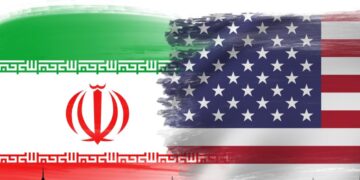









































































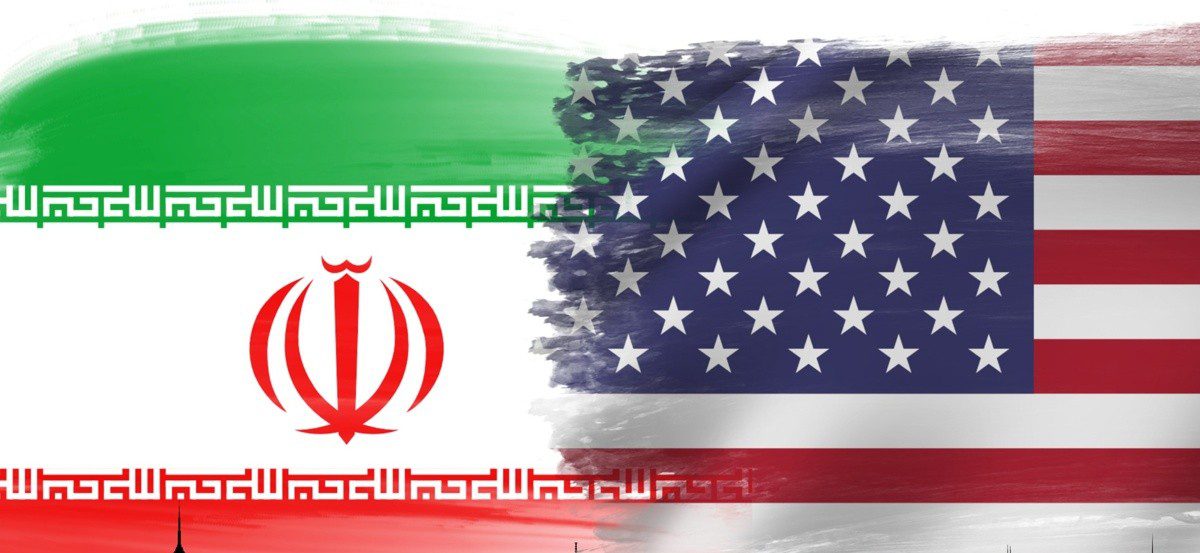
Iran has dismissed claims by U.S. President Donald Trump that fresh negotiations between Washington and Tehran were set to begin, insisting that no diplomatic meeting has been arranged and no discussions with the United States are currently taking place.
The denial came just hours after Trump said he had decided against launching another round of military action, arguing that diplomacy offered a better path than further escalation.
Speaking aboard Air Force One on Sunday, the U.S. president said he preferred negotiations over additional bloodshed and claimed talks with Iran would begin on Monday afternoon.
However, Tehran swiftly rejected the assertion.
Iranian Foreign Ministry spokesman Esmail Baghaei said there were no ongoing negotiations with the United States and no plans for direct meetings in the immediate future.
He maintained that Iran had not invited any American delegation and had no intention of sending negotiators abroad for talks.
According to Baghaei, the only diplomatic engagement currently involving Iranian officials concerns discussions with Oman over issues linked to the Strait of Hormuz, one of the world’s most strategically important shipping routes.
An Iranian official familiar with the matter also told international media that no U.S.-Iran meeting had been arranged, adding that Foreign Minister Abbas Araghchi was currently in Iraq on a religious visit and would not be available for diplomatic engagements until later in the week.
Despite Tehran’s denial, Trump later doubled down on his position in a message posted on his Truth Social platform.
The U.S. president accused Iran’s leadership of sending mixed signals but maintained that discussions had been requested and that further contacts were expected soon.
He also repeated his administration’s position that the United States maintains overwhelming control over maritime security in the Strait of Hormuz.
The exchange marks another dramatic turn in the prolonged confrontation between Washington and Tehran, which has seen repeated military threats followed by sudden pauses.
Over recent months, Trump has announced plans for large-scale military operations against Iran before later suspending them, often citing the possibility of diplomatic progress.
Iran, however, has consistently denied seeking renewed negotiations, particularly after earlier understandings between both countries reportedly collapsed amid disagreements over security and regional influence.
One of the biggest unresolved issues remains the future of the Strait of Hormuz, a critical global energy corridor through which a significant share of the world’s crude oil and liquefied natural gas is transported.
Washington argues that previous understandings required Iran to guarantee unrestricted international navigation through the waterway.
Tehran, on the other hand, insists those arrangements recognized its authority over shipping routes within its territorial waters and rejects any attempt to dilute that control.
The disagreement has become central to the wider dispute between both countries.
Global oil prices fell after Trump’s latest decision to refrain from immediate military action, easing concerns over possible disruptions to energy supplies from the Gulf.
Brent crude retreated as investors interpreted the suspension of planned strikes as reducing the immediate risk of a broader regional conflict.
Nevertheless, uncertainty remains high as military tensions continue across the Middle East and diplomatic channels between Washington and Tehran appear to remain at odds over whether meaningful negotiations are even taking place.