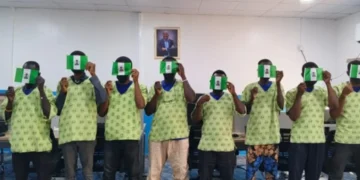












































































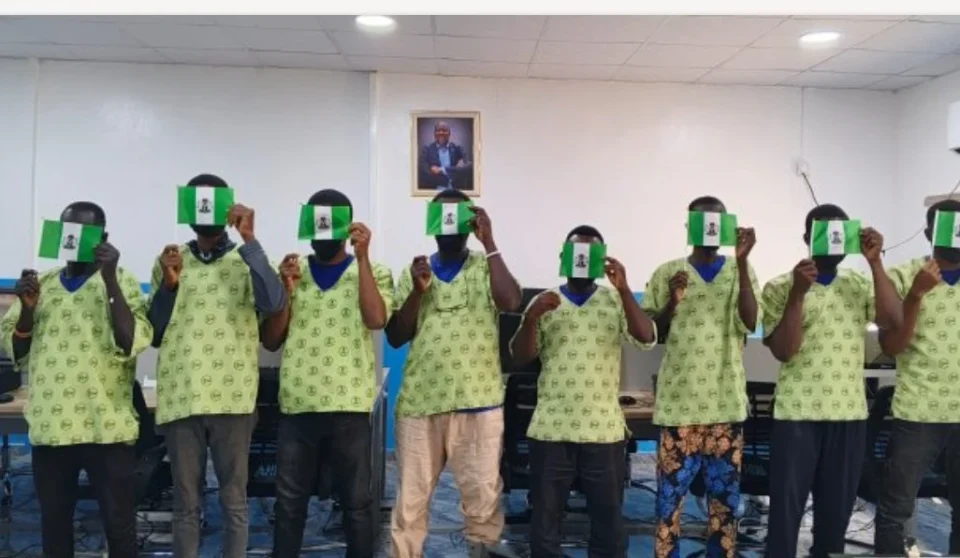
The Nigerian Correctional Service (NCoS) has participated in the International Chess for Freedom Competition for the first time, joining inmates from several countries in a programme designed to promote mental development and rehabilitation in correctional facilities.
Nigeria’s debut took place during the sixth edition of the competition, with activities hosted at the Bidemi Oladipupo IT Hub, Medium Security Custodial Centre, Kirikiri, Lagos.
Other participating countries included England, Romania, North Macedonia, Albania, Belgium and Latvia.
The Lagos State Command of the NCoS announced the development in a statement issued on Thursday by its Public Relations Officer, Superintendent of Corrections Joseph Osho.
Nigeria’s participation was made possible through a partnership between the Anchor Heritage Initiative and Chess in School, which seeks to widen access to educational activities and encourage strategic thinking among inmates.
The correctional service described its entry into the international event as an important step in its rehabilitation efforts, highlighting the role of educational and recreational programmes in helping inmates develop skills and prepare for life after release.
According to the NCoS, chess can help participants improve concentration, patience, discipline and critical thinking. The game also encourages players to assess situations carefully and consider the possible consequences of their decisions.
The service said the competition gave inmates an opportunity to exercise their intellectual abilities, strengthen their confidence and engage constructively with others despite their confinement.
It added that activities such as chess could help inmates recognise opportunities for personal development and understand that their circumstances did not have to define their future.
The NCoS maintained that imprisonment should involve more than keeping offenders in lawful custody. It said correctional facilities should also provide opportunities for education, skills development and personal reform to support successful reintegration into society.
The service further stressed the importance of partnerships with credible organisations in expanding rehabilitation programmes and creating meaningful learning opportunities for inmates.
It described Nigeria’s participation in the championship as part of its broader commitment to a correctional system that places greater emphasis on rehabilitation, education and the development of human potential.
The service expressed hope that initiatives such as the international chess competition would help inmates acquire useful life skills and improve their prospects of returning to society as responsible citizens.