




































































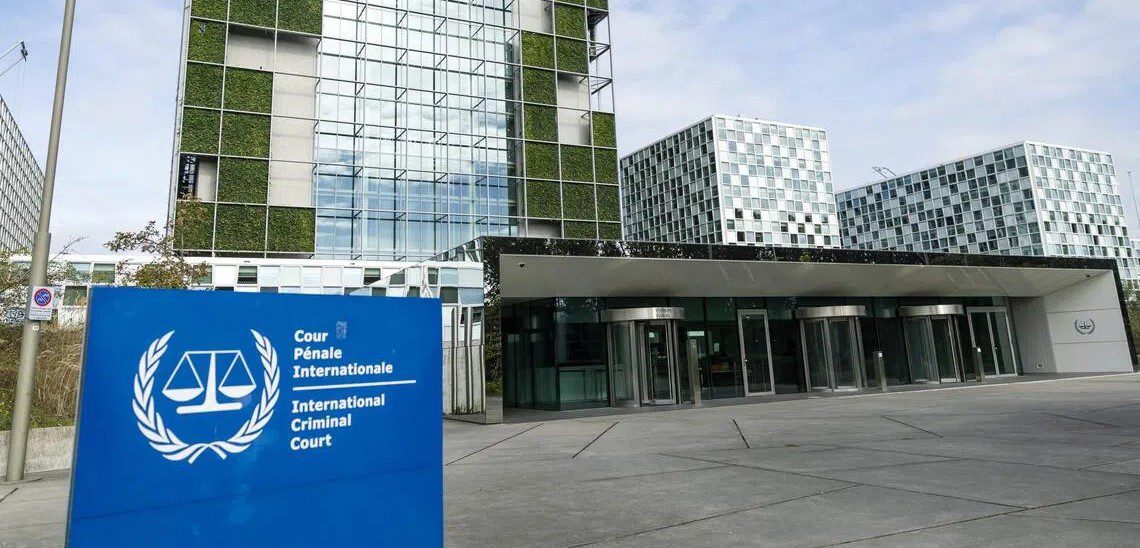
The United States has imposed sanctions on the International Criminal Court (ICC), escalating its confrontation with the international tribunal just hours after former ICC judge Navi Pillay won the 2026 Nobel Peace Prize.
The measures announced on Friday could extend beyond individual judges and prosecutors to companies providing services to the court, potentially disrupting its banking, insurance, software and other operations.
US Secretary of State Marco Rubio defended the decision, accusing the ICC of acting beyond its authority and describing it as a “rogue court”.
“President Trump will never allow the International Criminal Court to prosecute Americans,” Rubio said in a statement.
“That is why, today, the United States is sanctioning the International Criminal Court. We will ban transactions with this rogue court, cutting off their resources and crippling its ability to operate.”
The ICC’s Deputy Prosecutor, Nazhat Shameem Khan, condemned the sanctions, saying they were intended to weaken international law and undermine an independent judicial institution.
“The sanctions are intended to undermine the rule of law internationally and the work that an independent judicial institution is doing,” Khan told Reuters.
She insisted that the measures would not stop the court from carrying out its responsibilities.
“Our work will continue across all our situations, our investigations and our prosecutions,” she said.
Dispute over ICC investigations
The Trump administration has repeatedly criticized the ICC over its investigations and legal actions involving US personnel and Israeli officials, including Israeli Prime Minister Benjamin Netanyahu.
Washington has also opposed the court’s past investigation into alleged crimes committed by US soldiers in Afghanistan. The ICC has said that investigation has been deprioritized.
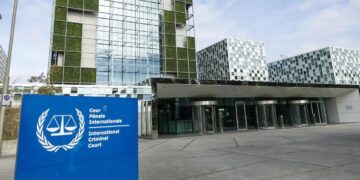
Founded in 2002, the ICC prosecutes individuals accused of genocide, war crimes and crimes against humanity. It has 125 member states, including all European Union countries and most NATO members. The United States and Turkey are not members.
The court is headquartered in the Netherlands, a member of both the EU and NATO, placing the US decision at risk of straining relations with European allies that support the tribunal.
Rubio said Washington had delayed imposing sanctions in the hope that the court and countries that signed its founding Rome Statute would address American concerns. He said those efforts had failed.
“Either the ICC will end its threats, or we will end the ICC,” Rubio said, urging US allies to curb the court’s activities.
“We expect our allies, many of whom are part of the ICC and that rely on American servicemembers for their defense, to rein in the court,” he added.
However, Rubio said the sanctions had been designed to leave room for negotiations with ICC member states and allow them to propose a solution to Washington’s objections.
“If these efforts do not bear fruit, we will continue to adjust accordingly,” he said.
US grants limited exemptions
The US Treasury issued four general licences shortly after the sanctions were announced, permitting certain transactions involving the ICC’s telecommunications and software services, pension payments and matters relating to people detained by the court.
The exemptions offer some scope for essential operations to continue, although the broader restrictions could still make it harder for the tribunal to access services from US-based companies.
American sanctions typically prohibit US companies from conducting business with designated entities. Such restrictions can also affect banking arrangements, insurance coverage and technology services.
The ICC has been preparing for the possibility of broader sanctions for months. Court officials have reportedly moved computers away from Microsoft software towards open-source alternatives and made alternative arrangements for banking and health insurance.
Earlier this week, the court’s registrar, Osvaldo Zavala Giler, urged the European Union to prepare to activate a so-called blocking mechanism. Such measures are intended to protect European entities from the effects of certain foreign sanctions imposed beyond the sanctioning country’s borders.
Nobel award highlights pressure on international justice
The sanctions came on the same day Pillay, a South African jurist who previously served on the ICC’s Appeals Chamber from 2003 to 2008, was awarded the 2026 Nobel Peace Prize.
The Nobel committee said its decision was intended to draw attention to the growing political pressure on judges and international legal institutions.
In its citation, the committee said a system capable of holding war criminals accountable and securing justice for victims was essential to a peaceful world.
Pillay’s award has therefore added significance to the timing of Washington’s announcement, placing the debate over international justice and political interference in the spotlight.
The latest measures follow the Trump administration’s earlier sanctions against individual ICC officials. Sanctions imposed during Trump’s first term were lifted under former President Joe Biden, before Washington announced fresh restrictions shortly after Trump returned to office in January 2025.
The latest action broadens the confrontation by targeting the court’s ability to obtain services, rather than focusing solely on specific officials.
While Washington has left a channel open for negotiations, the dispute threatens to deepen divisions between the United States and allies that regard the ICC as an important institution for prosecuting serious international crimes.