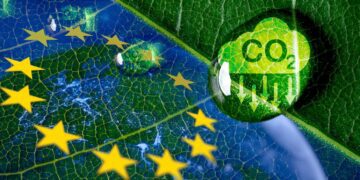





























































The European Union plans to use next month’s COP31 climate summit in Turkey to secure an agreement aimed at accelerating cuts in greenhouse gas emissions, with a focus on turning existing national pledges into concrete action.
An internal EU document seen by Reuters shows that the bloc will seek a package of measures to strengthen global efforts to tackle climate change, following recent United Nations climate negotiations that failed to produce tougher commitments to curb emissions.
The talks come as countries continue to face extreme weather linked to rising global temperatures, while disagreements persist over how quickly emissions should be reduced. Major emerging economies and fossil fuel-producing nations have raised concerns about the potential effects of stricter climate policies on economic growth and development.
The EU’s proposed strategy centres on a “mitigation package” designed to translate countries’ existing climate commitments into practical measures to reduce emissions.
EU seeks extension of UN emissions talks
One of the bloc’s key demands will be to extend the United Nations’ mitigation work programme until 2040, according to the draft document.
The programme provides a platform for governments to discuss ways to cut emissions and identify opportunities to strengthen climate action. Its current mandate is due to expire this year.
The EU also intends to press countries to respond to the UN’s confirmation last month that the world is on course to miss the 2015 Paris Agreement’s target of limiting global warming to 1.5 degrees Celsius above pre-industrial levels.
The document was drafted by Ireland, which currently holds the EU’s rotating presidency.
Irish Climate Minister Darragh O’Brien said the bloc would seek practical cooperation with international partners, particularly on reducing dependence on fossil fuels and expanding electrification.
“We will look to strengthen our partnerships to deliver practical progress on global climate action, specifically on the transition away from fossil fuels and on electrification,” O’Brien said.
EU climate ministers are scheduled to discuss the bloc’s negotiating strategy at a meeting on Monday ahead of the November summit.
EU shifts towards implementation
The planned approach reflects a change in the EU’s strategy following last year’s COP30 summit in Brazil, which ended without stronger commitments to reduce greenhouse gas emissions.
Rather than pursuing public confrontations over contentious climate issues, EU diplomats intend to focus on working with other countries to implement commitments they have already made.
The strategy comes amid growing geopolitical pressure on international climate cooperation, particularly following the United States’ withdrawal from global climate negotiations.
The EU hopes that concentrating on practical implementation will help build cooperation among countries with differing economic priorities and approaches to climate policy.
Climate finance could become a sticking point
However, the EU’s proposed position on climate finance could create tensions with developing countries at COP31.
The internal document states that there is “no scope” for new climate funding commitments at the summit, a position likely to disappoint poorer nations seeking additional financial support to cut emissions and adapt to climate impacts.
Climate finance has remained a major point of disagreement in international negotiations, with developing countries arguing that wealthier nations should provide greater assistance because of their historical contribution to greenhouse gas emissions and their greater capacity to fund climate action.
The EU’s push for stronger emissions reductions, alongside its reluctance to commit to additional funding, could therefore shape some of the most difficult discussions at the Turkey summit.