










































































An experimental form of cancer immunotherapy has produced a remarkable result in a three-year-old boy whose aggressive liver cancer had spread to his lungs and possibly his bones.
Researchers reported that the child achieved a complete response after receiving two doses of genetically modified immune cells, offering fresh evidence that CAR T-cell therapy could eventually be used against solid tumours, an area where the treatment has so far faced significant challenges.
The case was detailed in a report published in the New England Journal of Medicine.
Cancer returned despite chemotherapy and surgery
The boy was diagnosed with hepatoblastoma, a malignant form of liver cancer that occurs mainly in young children.
At diagnosis, doctors found a large tumour in the left side of his liver measuring about 11.2 by 9.6 by 7.1 centimetres. The disease had already spread to his lungs, while there were also indications of possible involvement of his bones.
He underwent three rounds of chemotherapy, followed by surgery to remove the primary liver tumour. Doctors also performed two procedures to remove cancerous growths from his lungs.
Despite the intensive treatment, the cancer returned rapidly, with another tumour developing in his lungs.
With conventional treatment no longer controlling the disease, the child was enrolled in the CARE study, an early-stage clinical trial testing a new CAR T-cell approach.
How the experimental treatment worked
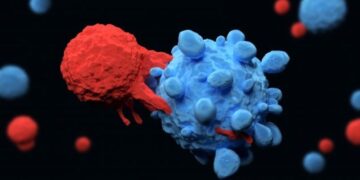
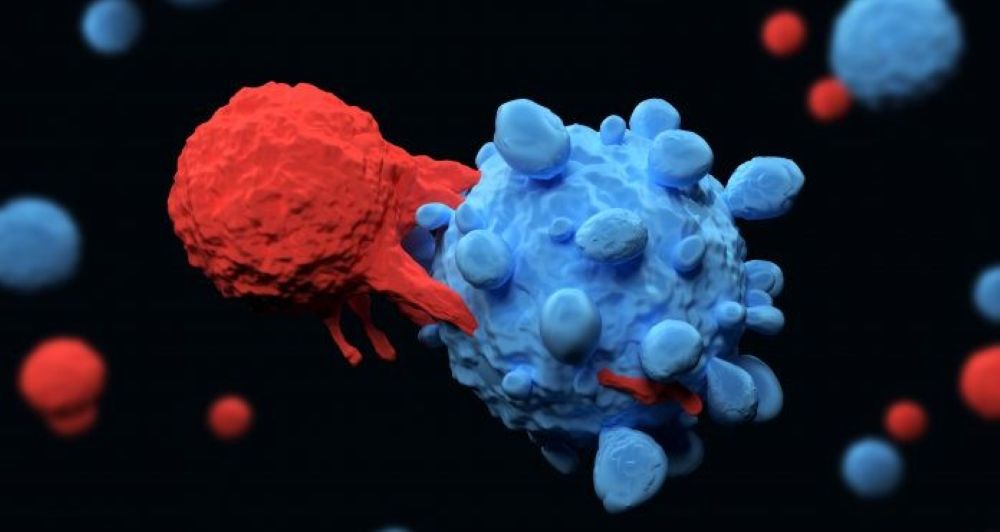
CAR T-cell therapy involves collecting a patient’s T cells, genetically modifying them in a laboratory and returning them to the body. The altered cells are designed to recognize and attack cancer cells.
In this case, researchers modified the boy’s own T cells to target glypican-3, or GPC3, a protein commonly found at high levels in liver cancers.
The experimental cells, known as GPC3-CAR T cells, were additionally engineered to produce the immune proteins interleukin-15 and interleukin-21. Researchers hoped the modifications would help the cells survive longer and maintain their ability to attack tumour cells.
The boy received his first infusion and subsequently showed a partial response. CT scans showed that the tumour burden had decreased, while blood tests also recorded a fall in alpha-fetoprotein, a marker associated with tumour activity.
Eight weeks later, he received a second infusion.
No detectable cancer after second dose
Follow-up imaging after the second treatment showed no remaining evidence of the cancer, apart from residual scar tissue.
The researchers reported that the child remained disease-free 12 months after treatment.
David Steffin, a paediatric oncologist at Baylor College of Medicine and the study’s first author, said the case demonstrated that a complete response could be achieved in a chemotherapy-resistant solid tumour without systemic toxicity.
The result is particularly significant because CAR T-cell therapy has produced some of its strongest results in blood cancers, while solid tumours have presented additional obstacles for the technology.
Andras Heczey, a paediatric oncologist at Seattle Children’s Hospital and the University of Washington and a co-author of the report, said the findings support further investigation of the approach in patients with GPC3-positive solid tumours.
Researchers caution against drawing broad conclusions
Despite the striking outcome, scientists stressed that the result involves only one patient and comes from an early-stage clinical study.
It is therefore too early to determine how consistently the treatment will work or what its longer-term safety profile will be across a larger group of patients.
Further testing is continuing through the CARE study at Baylor College of Medicine, while a related trial known as IMPACT is being conducted at Seattle Children’s Hospital.
The researchers hope that additional patients will help establish whether GPC3-targeted CAR T-cell therapy can become a viable treatment for hepatoblastoma and other solid cancers.
For now, the case provides an encouraging demonstration of what genetically engineered immune cells may be capable of achieving against a form of cancer that had continued to return despite chemotherapy and surgery.