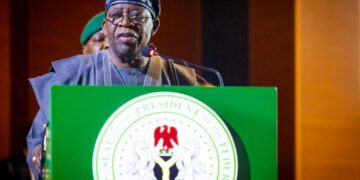









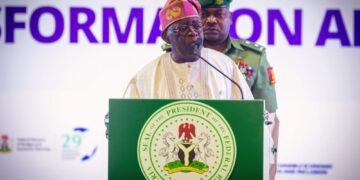






















































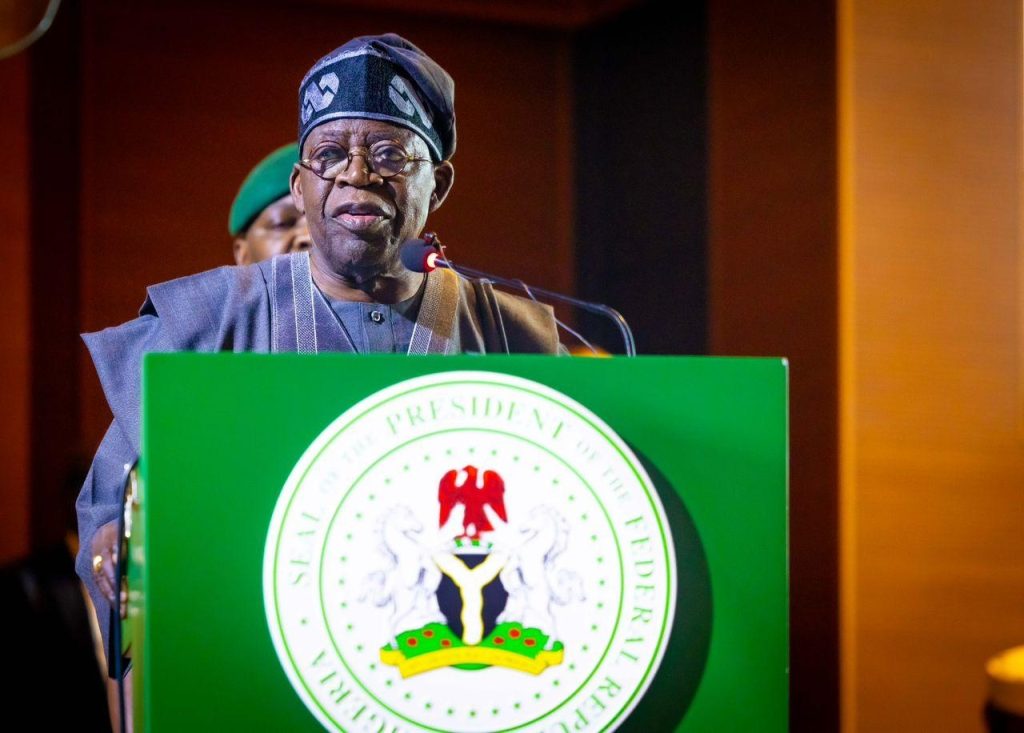
President Bola Tinubu has defended his administration’s proposed external borrowing plan, arguing that the funds would help address Nigeria’s infrastructure gaps, drive economic growth and create opportunities for future generations.
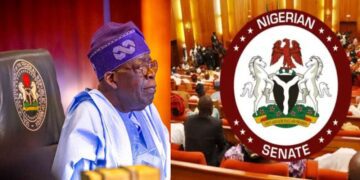
The President’s position follows his request to the National Assembly for approval to borrow $20.52bn and €1.045bn to finance projects and programmes across critical sectors of the economy.
In a letter to lawmakers, Tinubu said the proposed loans would fund investments in infrastructure, agriculture, healthcare, education, water supply, security and job creation.
He argued that Nigeria’s infrastructure needs required additional financing, adding that the proposed projects had undergone technical and economic assessments to determine their potential contributions to national development.
According to the President, the investments are expected to generate employment, support skills development and entrepreneurship, reduce poverty and improve food security.
Tinubu also said the borrowing plan would help close funding gaps that have slowed the development of essential infrastructure and limit the country’s economic growth.
The proposed facilities are expected to finance projects across all 36 states and the Federal Capital Territory, with a focus on transportation, power and other public services.
However, the request has renewed concerns about Nigeria’s growing debt burden and its ability to meet future repayment obligations. Critics have called for clearer information on the projects to be funded, the terms of the loans and the economic benefits expected from the investments.
The proposal is now before the National Assembly, where relevant committees are expected to review its details before lawmakers decide on the next steps.
Tinubu maintained that borrowing directed towards productive investments could strengthen the economy and deliver lasting benefits to future generations.