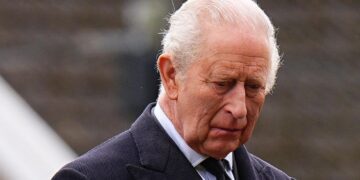















































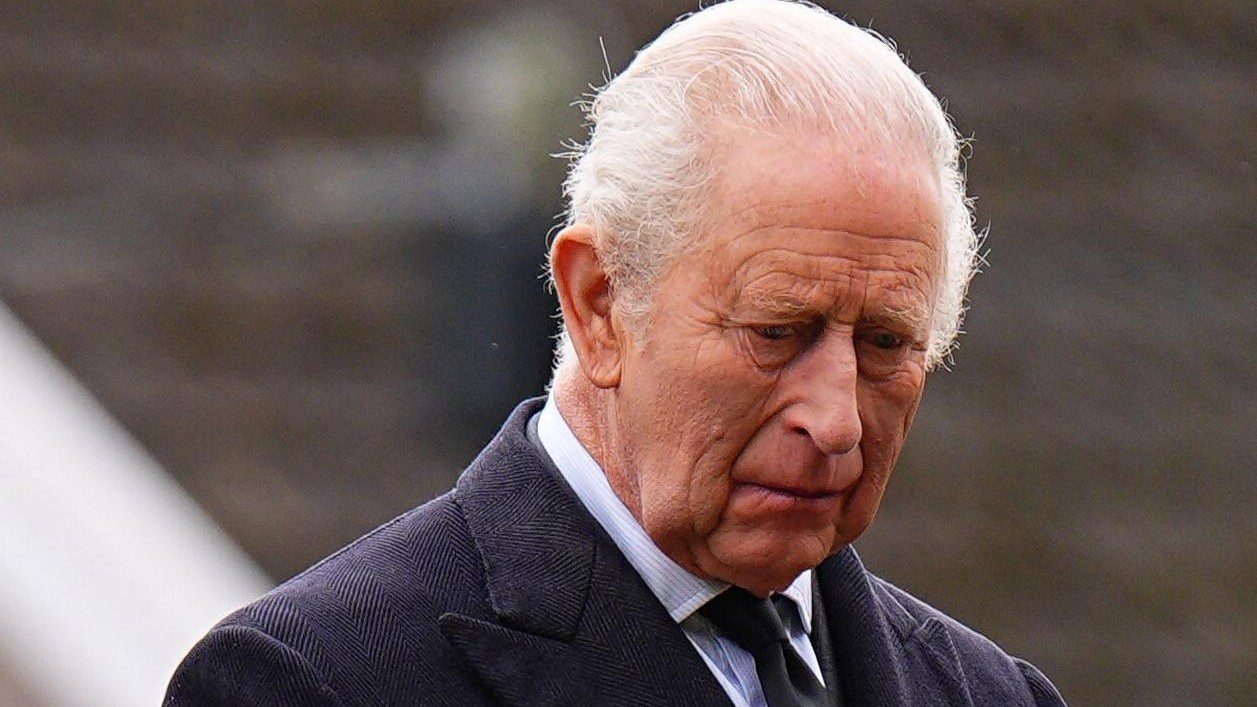
King Charles III has confirmed that the enduring consequences of slavery will feature in discussions with Commonwealth leaders at an upcoming summit in Antigua and Barbuda, amid growing demands from Caribbean nations for Britain to acknowledge its historical responsibility and engage in reparations talks.
The monarch arrived in the Bahamas on Tuesday to begin a nine-day Caribbean tour, receiving a ceremonial welcome before attending a youth rally at Clifford Park, a historic site associated with the country’s independence from British colonial rule in 1973.
His visit coincides with fresh polling showing strong public support in Britain for discussions on reparatory justice, particularly among younger people and voters who backed Labour and the Liberal Democrats in the last general election.
A survey conducted by More in Common and published by the Repair Campaign found that 40% of Britons supported a meeting on reparatory justice, while 19% remained undecided. Support was higher among younger respondents, reaching 60% among those aged 18–24 and 51% among those aged 25–34.
The findings also showed that 58% of previous Labour voters and 57% of Liberal Democrat voters backed such a meeting.
Former St Vincent and the Grenadines prime minister Ralph Gonsalves, who is an elder of the Repair Campaign, said the results demonstrated a clear generational appetite for addressing slavery’s historical and continuing consequences.
He urged Charles to consider issuing a formal apology, citing the example of the Netherlands, whose prime minister had apologized for the country’s historical role in slavery. Gonsalves also expressed disappointment with the monarch’s speech in the Bahamas, arguing that it did not meet expectations.
The Caribbean’s reparations campaign has intensified pressure on Britain to move beyond expressions of regret towards a structured process addressing historical injustices and their continuing effects.
Charles has previously acknowledged slavery’s devastating place in British history. During a 2021 ceremony marking Barbados’s transition to a republic, he described slavery as an appalling atrocity that would forever stain the country’s history. The following year, he spoke of his personal efforts to deepen his understanding of slavery’s enduring impact at the opening of a Commonwealth summit in Rwanda.
In his address in the Bahamas on Tuesday, the king reflected on the relationship between the country’s cultural achievements and the suffering endured by its people.
“Some of what is best in Bahamian culture today, the most joyful, the most hopeful, the most bright, was born out of darkness,” he said.
He added that acknowledging the suffering of the past was necessary even as the region celebrated its achievements and pursued new opportunities.
Charles confirmed that Commonwealth heads of government would discuss issues connected to slavery’s legacy when they meet in Antigua next week. His tour also includes a solo state visit to Guyana before he presides over the Commonwealth Heads of Government Meeting (CHOGM), hosted by Antigua and Barbuda.
However, the Bahamas National Reparations Committee criticized the king’s remarks, insisting that recognition of Caribbean culture and resilience was insufficient without accountability and meaningful action.
The committee argued that Bahamian culture emerged from the agency, determination and survival of its people, rather than simply as a consequence of historical suffering.
It called on Charles to address the British monarchy’s role in slavery and explain how he intended to contribute to redressing the resulting injustices. The committee maintained that a full, formal apology and concrete measures to remedy historical wrongs were necessary.
Its chair, Dr Niambi Hall Campbell-Dean, acknowledged the king’s effort to connect with Bahamian culture but described his comments as hollow platitudes. She said her criticism stemmed from pride in the Bahamian people and the conviction that they deserved a more substantive response.
Professor Hilary Beckles, chair of the Caribbean Community Reparations Commission, said the region was seeking what he described as “proprietary justice”, beginning with remorse.
Beckles also called on Charles to engage meaningfully with Caribbean youth, encouraging them to face an uncertain and rapidly changing future with the same sense of empowerment the monarch would want for his own children. Anything less, he warned, risked minimizing the continuing consequences of historical harm.
The debate is expected to follow Charles to Guyana, where President Mohamed Irfaan Ali has recently urged the monarch to take the further step of offering an apology.
Under Britain’s constitutional arrangements, the king acts on the advice of his ministers. The British government is understood not to have advised him to apologize or offer reparations, consistent with its established policy.
Prime Minister Andy Burnham and Foreign Secretary Ed Miliband are expected to join Charles in Antigua for the Commonwealth gathering.
Buckingham Palace said the tour would primarily highlight contemporary partnerships and future opportunities in the Caribbean, at the request of the host governments. It also described the visit as part of the king’s longstanding effort to engage with and deepen understanding of the most shameful aspects of Britain’s past.
Meanwhile, Repair Campaign founder Denis O’Brien urged Britain to establish a clear timetable for discussions with Caribbean governments. He argued that previous expressions of regret and commitments to dialogue, including those made at the Commonwealth summit in Samoa, had yet to produce meaningful progress.
The forthcoming summit will therefore test whether the Commonwealth’s renewed attention to slavery’s legacy can lead to substantive engagement or remain largely symbolic in the face of persistent calls for justice.