















































































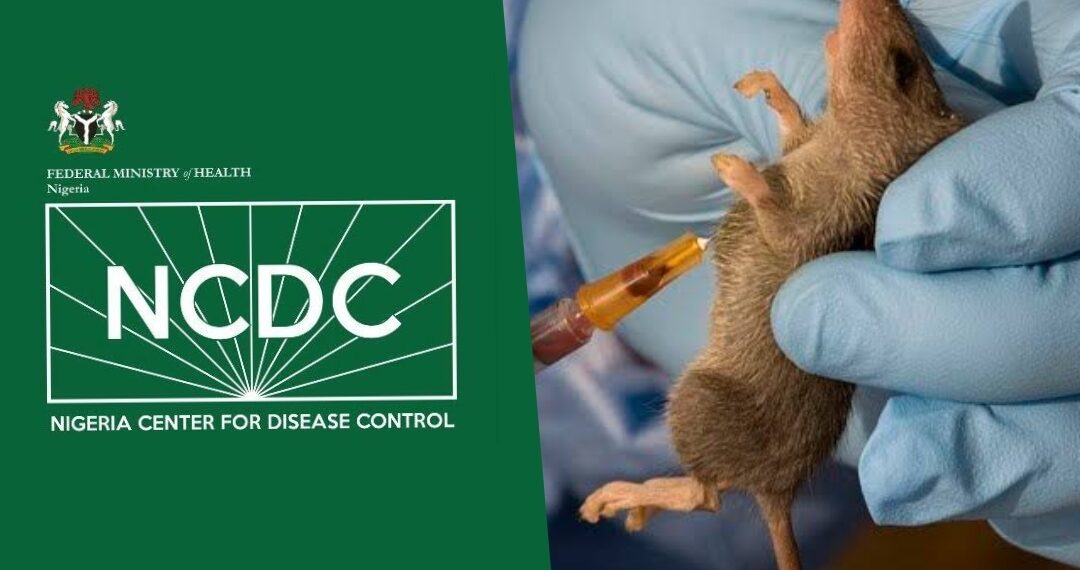
Nigeria recorded 18 new confirmed cases of Lassa fever between August 24 and 30, bringing the total number of confirmed infections reported in 2026 to 1,074.
The latest situation report from the Nigeria Centre for Disease Control and Prevention (NCDC) showed that 258 people have died from the disease across 24 states, pushing the case fatality rate to 24 per cent.
The new infections were recorded in Ondo, Edo and Bauchi states. Although confirmed cases fell from 21 in epidemiological week 34 to 18 in week 35, the cumulative fatality rate remains significantly higher than the 18.6 per cent recorded during the same period in 2025, when 162 deaths were reported.
Ondo, Bauchi Account for Most Cases
The NCDC report showed that 7,785 suspected Lassa fever cases have been recorded so far this year, compared with 7,375 during the corresponding period in 2025.
Five states account for 86 per cent of the confirmed infections. Ondo leads with 34 per cent, followed by Bauchi at 24 per cent, Taraba at 12 per cent, Edo at 10 per cent and Benue at six per cent.
The disease has affected people aged between one and 93 years, with those aged 21 to 30 forming the most affected age group. The median age of confirmed cases is 30.
During the reporting week, 13 patients were receiving treatment at designated centres, taking the cumulative number of patients managed at treatment facilities to 816.
NCDC Identifies Factors Behind High Fatality Rate
The NCDC attributed the high fatality rate to several challenges, including delayed presentation at health facilities, poor health-seeking behaviour and the high cost of treatment and clinical management.
The agency also identified inadequate environmental sanitation and limited awareness in communities with high disease burdens as factors hampering the response.
Healthcare worker infections were also listed among the challenges confronting efforts to contain the disease.
In response, the NCDC said it had continued to strengthen disease surveillance, case management, infection prevention and control, contact tracing and community engagement across affected states.
National Rapid Response Teams have been deployed to seven high-burden states, while personal protective equipment and other infection prevention supplies have been distributed to healthcare facilities.
NCDC Moves to Protect Health Workers
The agency said it had developed a 30-day Healthcare Worker Protection Plan for Lassa fever with support from the World Health Organization and the United States Centres for Disease Control and Prevention.
The plan is designed to reduce infections among frontline healthcare workers in states affected by the disease.
The NCDC urged state governments to maintain community engagement throughout the year and strengthen their ability to prevent, detect and respond quickly to new infections.
It also advised healthcare workers to maintain a high level of suspicion for Lassa fever, ensure prompt referral and treatment, and strictly follow infection prevention and control procedures.
The agency further called on states and partners to strengthen outbreak preparedness and response capacity, while improving environmental sanitation and public awareness in communities with high levels of transmission.