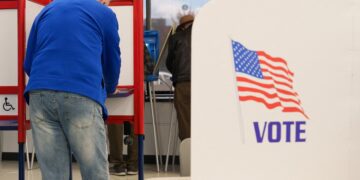
















































































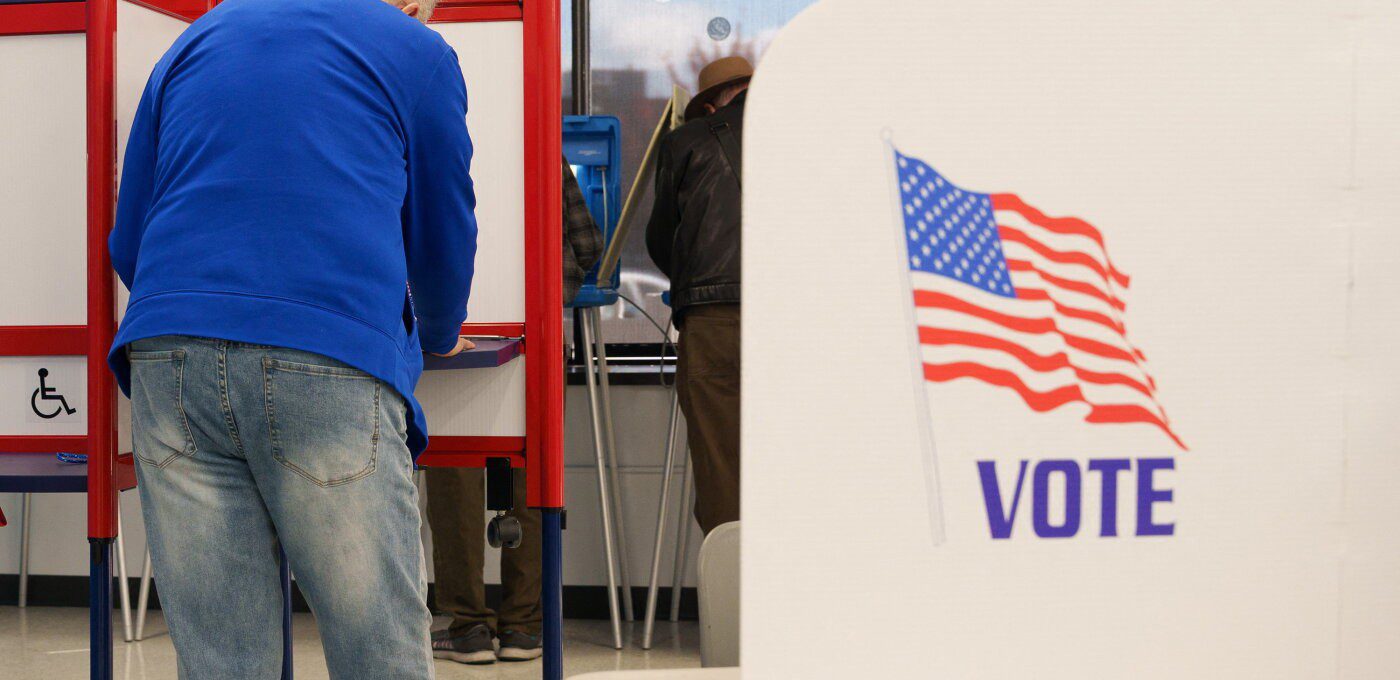
Americans are heading to the polls in the 2026 midterm elections, with closely contested races for the House of Representatives and Senate set to determine which party controls Congress for the final two years of President Donald Trump’s second term.
The outcome will shape the administration’s ability to push through legislation and could influence oversight of the White House, as well as policy decisions at state and local levels.
The US Congress has two chambers, the House of Representatives and the Senate. Both must approve federal legislation before it can become law, while also playing key roles in checking and overseeing the executive branch.
All 435 voting seats in the House are being contested because members serve two-year terms. Republicans are defending a narrow majority, and Democrats need a net gain of four seats to take control.
The Senate has 100 members serving staggered six-year terms, with about one-third of its seats normally contested every two years. This election cycle includes 35 Senate races: 33 regular elections and two special contests in Florida and Ohio to fill seats vacated before the end of their terms.
Republicans currently hold 53 Senate seats, while Democrats and independent lawmakers who caucus with them control the remaining 47. Democrats need to gain four seats to secure a majority.
Beyond Congress, voters will elect governors in 36 states and three US territories, bringing the total number of governorships at stake to 39.
Thousands of state legislative positions are also being contested, alongside local government offices, judicial seats and ballot measures covering issues such as taxation, abortion rights and voting regulations.
While the congressional races will determine the balance of power in Washington for the remainder of Trump’s term, state and local elections will influence policies closer to voters, including education, reproductive rights, taxation and the conduct of elections.
The midterm elections are traditionally difficult for the party occupying the White House, with voters often using them to express approval or dissatisfaction with the president’s performance.
Historical figures show that the president’s party has lost seats in the House in 18 of the past 20 midterm elections. The pattern, dating back to 1946, represents a 90 per cent record of losses and adds to the political pressure on Republicans as they seek to retain control of Congress.
The results will therefore serve as a major test of Trump’s political standing and determine how much influence his party retains over the legislative agenda during the final half of his second presidency.