











































































Global efforts to eliminate net greenhouse gas emissions will fail to reverse the disproportionate impact of climate change on the world’s poorest nations, according to new research published in Environmental Research Letters.
The study, led by Dr. Andrew King and a team of climate scientists at the University of Melbourne, analyzed multiple global climate modeling scenarios alongside national economic data. Researchers discovered that even if the international community achieves the net-zero emissions targets outlined in the 2015 Paris Agreement, the relative temperature increases and climate disruptions heavily impacting tropical and developing regions will persist indefinitely.
Key Findings on Climate Inequality
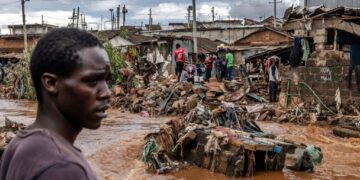
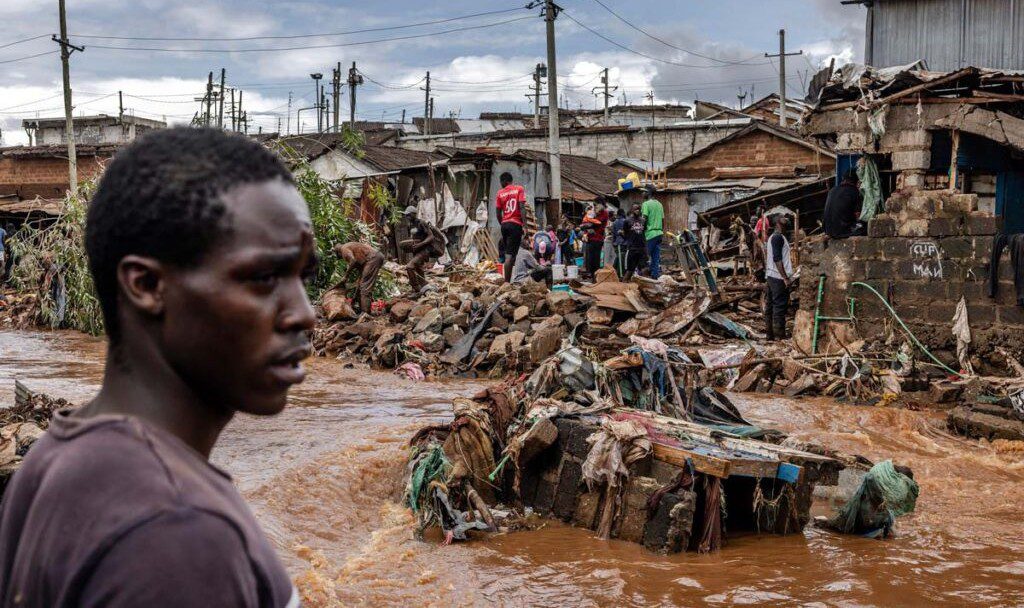
Geographic Imbalance is cited as a concern as tropical regions near the equator, which historically contributed the least to global carbon emissions, have experienced more severe temperature shifts relative to their historical baselines than wealthier, higher-latitude nations in Europe and North America.
Consequently posing persistent effects because net-zero emissions halting further warming will still leave accumulated atmospheric carbon intact, meaning severe environmental strain on vulnerable ecosystems, such as tropical coral reefs, and this will purportedly continue for centuries.
The findings also spotlighted delayed recovery as another major consideration as scientists warned that even under aggressive “net-negative” scenarios involving large-scale carbon removal, reversing regional climate inequality would take multiple decades.
Dr. King emphasized that accelerating the timeline to reach net-zero remains the most effective strategy to limit long-term warming and curb enduring systemic disparities between developed and developing economies.
Rising Risks of Global Statelessness
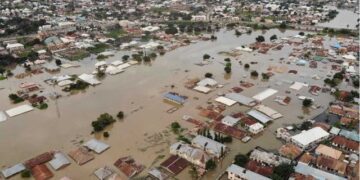
The publication of the Melbourne study coincided with a separate report released by the United Nations High Commissioner for Refugees (UNHCR) and the Peter McMullin Centre on Statelessness, detailing how climate-driven disasters are exacerbating the risk of displacement and statelessness.
With an estimated 4.5 million people currently stateless worldwide, UN experts warned that extreme weather events, coastal erosion, and rising sea levels threaten the statehood of low-lying island nations, particularly in the Pacific.
To mitigate these emerging crises, the report urged international governments to protect nationality rights, digitize vital legal records, and reform discriminatory citizenship laws to prevent children displaced by natural disasters from being left without legal status.