














































































Rescue teams in Nepal have reached more isolated communities and damaged hydropower facilities as the country battles the aftermath of devastating floods that have killed at least 939 people.
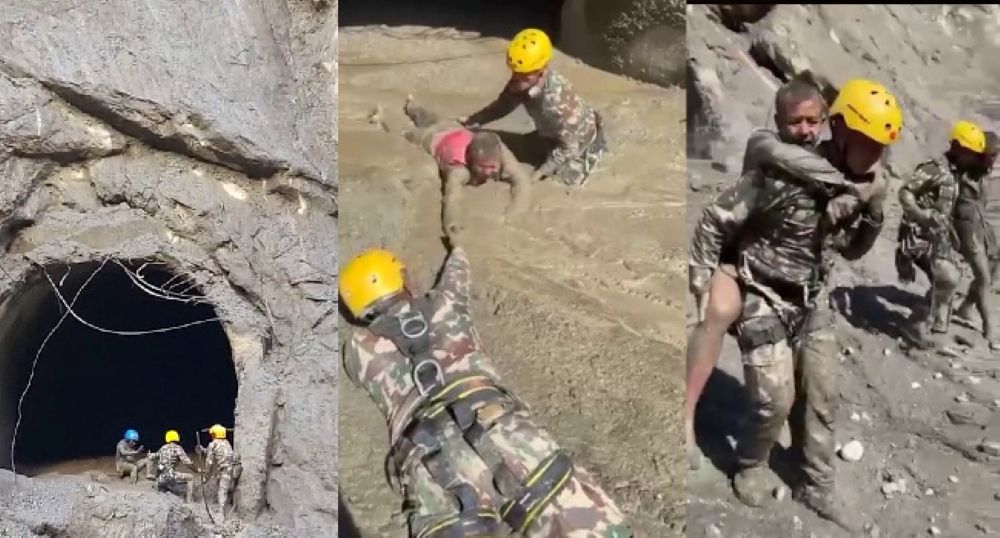
Nearly a week after torrents of ice, rock and mud swept through Himalayan valleys and towns, emergency crews were concentrating on several hydropower projects where hundreds of workers remain trapped.
Prime Minister Balendra Shah said more than 11,000 people had so far been rescued across the affected areas, while electricity and communication services had been restored in some locations.
“The government understands the immense pain they are enduring,” Shah said in a late-night social media post, adding that the priority was to help affected families recover and return to normal life.
The floods have left thousands without homes and separated families, while large areas of infrastructure have been destroyed.
Shah said road access had also been restored to Nuwakot, one of the districts worst hit by the disaster. The reopening of roads is expected to accelerate rescue operations and allow relief supplies to reach communities that had been cut off.
Police official Bipin Regmi said rescue teams were continuing to enter previously inaccessible areas.
“We are reaching new areas and recovering bodies,” Regmi told Reuters.
In one operation, rescuers recovered 24 bodies from a house in Betrabati village in Nuwakot district, highlighting the scale of the destruction left behind by the floods.
Hydropower sites become rescue priority
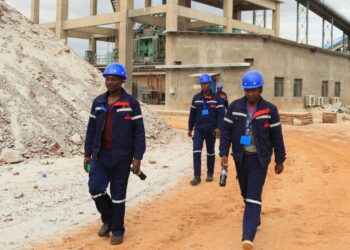
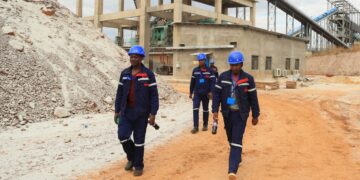
The search for survivors has increasingly centred on Nepal’s hydropower industry, where workers became trapped after floodwaters and landslides damaged tunnels and other infrastructure.
Shah said 279 workers had already been rescued from hydropower projects, but authorities estimate that hundreds more remain stranded.
Around 600 people are believed to still be trapped at several damaged facilities, while earlier estimates suggested that nearly 1,000 workers could have been caught in the disaster.
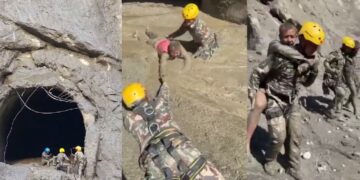
Rescue footage showed excavators and other heavy machinery working through mud and piles of rock, often through the night. Soldiers have also been using lights and digging equipment to locate possible access points into blocked tunnels.
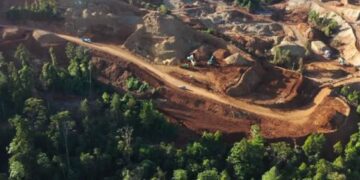
The difficult terrain has made the operation particularly challenging. Many hydropower facilities are built deep in mountainous areas, where tunnels are used to move water through steep terrain to powerhouses.
Nepal has rapidly expanded its hydropower sector over the past two decades, seeking to use its abundant Himalayan water resources to meet domestic electricity needs and increase power exports to India.
The destruction of several projects has therefore added to the country’s immediate humanitarian crisis as well as its longer-term infrastructure challenges.
India and China provide assistance
Nepal’s neighbours, India and China, have joined efforts to reach communities cut off by destroyed roads and bridges.
Among the measures being taken is the construction of Bailey bridges, which can be assembled quickly to restore access across damaged routes.
The restoration of transport links is critical for moving emergency supplies, evacuating stranded residents and allowing rescue teams to reach areas that remained inaccessible after the floods.
Shah said more than $42 million in aid had already entered Nepal following the disaster and that the government expected international assistance to increase.
The money and supplies are expected to support emergency relief as authorities begin assessing the enormous reconstruction needs.
Disaster renews climate concerns
The disaster has also intensified concern about the vulnerability of the Himalayan region to climate change.
A glacier collapse triggered the torrent of water, ice, rock and mud that tore through valleys near Nepal’s border with China.
Shah said the disaster demonstrated the growing risks facing communities across the Himalayan region and called for greater international attention to climate-related disasters.
“The region must therefore remain vigilant,” he said, urging Nepal to raise the issue of climate-driven disasters with the international community.
China’s state broadcaster has linked the flood to glacier instability associated with the long-term effects of global warming.
The disaster has raised fresh concerns about the impact of rising temperatures on glaciers and other fragile Himalayan systems, particularly as communities expand infrastructure and settlements in mountainous areas.
For Nepal, however, the immediate priority remains finding survivors, recovering the dead and reconnecting communities that have been cut off.
With hundreds of people still believed to be trapped and large areas continuing to recover from the devastation, rescue crews face a race against time to reach those who remain stranded.