





































































African countries seeking to turn their mineral wealth into higher-value products are attracting growing investor interest. Still, unreliable and expensive electricity remains a major obstacle to building refineries, smelters and other processing facilities.
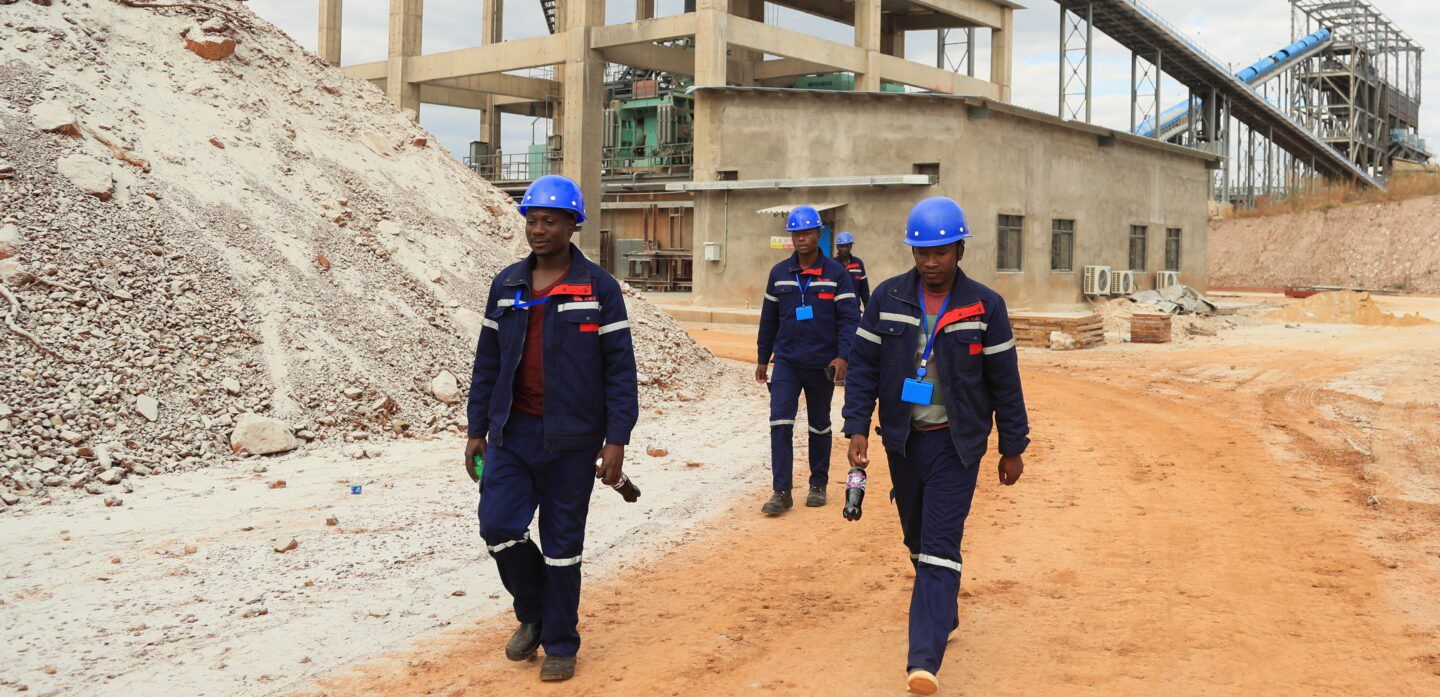
Governments from Guinea to Zimbabwe are introducing measures to encourage companies to process minerals locally rather than export raw materials. The strategies include export restrictions, tax incentives and access to mining deposits in exchange for investments in domestic industries.
The US International Development Finance Corporation and the Africa Finance Corporation are among the institutions supporting mineral processing projects across the continent, with plans to expand their involvement.
However, the decline of South Africa’s ferrochrome and steel processing industries illustrates the risks facing countries that cannot guarantee affordable and consistent power supplies.
Guinea targets refineries and aluminum production
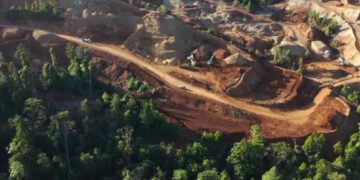
Guinea is emerging as a major test of Africa’s efforts to capture more value from its natural resources. The West African country has overtaken Australia to become the world’s largest producer and exporter of bauxite, most of which is shipped to China.
Bauxite is the principal raw material used to produce alumina, which is then processed into aluminum for use in transport, construction and packaging.
The Guinean government plans to move further up the production chain by developing domestic refining and smelting capacity.
Daouda Diakite, a senior adviser to the country’s mines minister, said three alumina refineries were under construction. The government aims to have five facilities operating by 2030, with combined annual production capacity of between seven million and eight million tonnes.
Officials also want to attract investment in aluminum smelters and accelerate the development of iron ore pellet plants, with steel production identified as a subsequent priority.
Speaking on the sidelines of the African Mining Week conference in Cape Town last week, Diakite outlined plans to use the country’s mineral resources to attract investment in supporting infrastructure.
Guinea is considering limiting bauxite exports to prevent excessive supply from depressing international prices, although the proposed restrictions have not yet been introduced.
Rather than adopting Indonesia’s approach of banning exports of unprocessed nickel, which helped attract billions of dollars into domestic smelting and battery manufacturing, Guinea intends to encourage investors through a combination of incentives and access to resources.
Companies seeking access to bauxite could be encouraged to invest in processing facilities or railway infrastructure, with mining rights and temporary tax exemptions among the incentives being considered.
Electricity shortages threaten industrial ambitions
The country’s biggest challenge is whether it can generate enough affordable electricity to support large-scale industrial production.
Guinea currently produces about 1,000 megawatts of electricity, mainly from hydropower. During the rainy season, which typically runs from April or May to November, the country exports electricity to Senegal, The Gambia and Guinea-Bissau. In the dry season, it relies on imports from neighbouring Ivory Coast or Senegal.
Diakite said Guinea would need between 5,000 and 10,000 megawatts to support its industrialization plans, including the proposed aluminum smelting industry.
The government is therefore seeking investment in energy infrastructure and is open to different commercially viable sources of power, including gas, coal and nuclear energy.
Because Guinea does not produce coal, Diakite suggested that vessels arriving to load bauxite could potentially transport coal from South Africa or Mozambique on their return journeys.
Without a substantial and dependable increase in electricity generation, the country’s plans to expand mineral processing could struggle to progress, regardless of investor interest.
South Africa’s experience offers a warning
South Africa’s ferrochrome industry demonstrates how high electricity costs can undermine domestic mineral processing.
The country has more than 70 per cent of the world’s known chrome reserves, yet its processing industry has contracted sharply as power costs have increased approximately tenfold since 2008.
Of the 66 ferrochrome smelters previously operating in South Africa, fewer than a dozen remain operational.
Mzila Mthenjane, chief executive of the Minerals Council South Africa, said the experience highlights the importance of reliable and affordable energy in building competitive industries.
Higher electricity costs have made South African ferroalloy production less competitive against Chinese producers. China has expanded its processing capacity alongside the development of relatively cheap power supplies, strengthening its position as a leading global refining hub.
Despite South Africa’s substantial chrome reserves, China has become the world’s largest ferrochrome producer.
The challenges extend beyond South Africa. Australian mining company South32 placed its aluminum plant in Mozambique on care and maintenance this year after drought conditions disrupted its electricity supply.
These cases highlight the vulnerability of energy-intensive industries to both rising costs and interruptions in power generation.
Investors need more than access to minerals
Industry officials say countries hoping to attract mineral processing investments must address several requirements simultaneously.
Mohamed Zada, Egypt’s deputy minister for strategic industries, identified four critical factors: dependable supplies of raw materials, affordable electricity, consistent government policies and reliable buyers for finished products.
He warned that focusing on one requirement while neglecting the others would make it difficult to establish sustainable processing industries.
Financing is another major consideration because refineries, smelters and related infrastructure require substantial upfront investment.
Franklin Edochie, deputy director and head of mining at the Africa Finance Corporation, said access to capital must accompany improvements in energy supply and raw material availability.
He noted that many African minerals could be converted into high-quality finished products and that markets existed for them, but developing the necessary facilities required investments worth billions of dollars.
For African governments, the opportunity lies in earning more from minerals by creating industries that produce refined metals and other higher-value goods locally.
Realizing that ambition, however, will depend on more than securing investors or restricting raw mineral exports. Countries will also need reliable electricity, supporting infrastructure, predictable policies, sufficient financing and access to markets capable of absorbing their products.