



















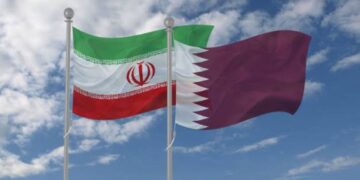












































Iran has vowed to strengthen its economy and deepen regional trade as the United States prepares what Washington describes as its toughest-ever sanctions against Tehran.
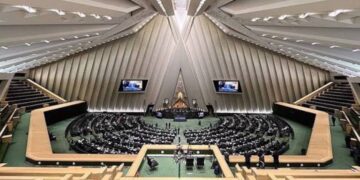
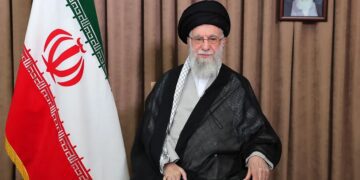
Iranian Parliament Speaker Mohammad Baqer Qalibaf, speaking in Baghdad on Friday, said the country needed a strategy to overcome what he called “unjust sanctions” and warned that economic pressure had become another front in the confrontation between Iran and its adversaries.
His comments came a day after US Treasury Secretary Scott Bessent announced that Washington was preparing a new package of sanctions against Iran. Bessent said details of the measures would be released on Monday and suggested the increased economic pressure could reduce the need for further large-scale military action.
Qalibaf, one of Iran’s most influential political figures and a leading negotiator in its discussions with the US, argued that economic strength and national security were closely connected.
He accused the US and Israel of turning increasingly to economic and what he described as “cognitive” warfare after failing to achieve their objectives through direct military confrontation.
Speaking to Iranian and Iraqi business leaders in Baghdad, Qalibaf said Iran and other countries in the region needed to reduce their vulnerability to Western economic pressure.
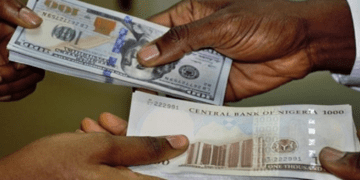
He also called for closer economic cooperation between Iran and Iraq, including greater use of their own currencies in bilateral trade.
According to Qalibaf, relying less on the US dollar could help both countries reduce the impact of American financial restrictions and strengthen regional economic ties.
His remarks came during a visit to Iraq that also highlighted the close political and security relationship between Tehran and Baghdad.
Qalibaf visited the grave of Abu Mahdi al-Muhandis, the Iraqi paramilitary commander who was killed alongside Iranian military commander Qassem Soleimani in a US drone strike near Baghdad airport in January 2020.
The latest US sanctions threat adds another layer of pressure to an already tense relationship between Washington and Tehran.
Iran has faced extensive US sanctions for decades, restricting its access to international financial markets, investment and key sources of revenue.
Washington’s latest move signals that the economic campaign against Tehran is set to intensify, while Iranian officials are seeking alternatives through regional trade and closer ties with neighbouring countries.
For Tehran, the challenge is now not only how to withstand another round of American sanctions, but how to keep its economy functioning while maintaining its broader political and security objectives.