












































































Oil prices edged higher on Thursday as renewed tensions in the Middle East and uncertainty surrounding the war in Ukraine outweighed concerns about increasing global crude production.
Brent crude futures gained 65 cents to $93.40 a barrel by 1425 GMT, while US West Texas Intermediate rose by one cent to $86.54. Both benchmarks had fallen by more than $1 in early Asian trading and remained on course for a weekly decline.
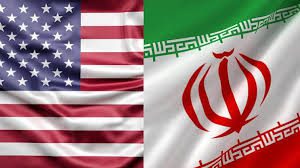
Prices had been relatively steady before US President Donald Trump declared on social media that Washington did not need an agreement with Iran, adding to uncertainty over efforts to end the conflict.
The Strait of Hormuz remains a major source of concern for energy markets. The strategic waterway handles a significant share of global oil shipments, but shipping activity has been disrupted by attacks on vessels and energy infrastructure, as well as reports of fires, oil spills and drone and missile strikes across the region.
Iran’s Revolutionary Guards Navy said on Thursday that two oil supertankers had been disabled by powerful explosions after hitting naval mines while attempting to pass through an unauthorized route in the strait. The incident reportedly occurred on Wednesday night after the vessels ignored warnings against using the route.
The latest developments have kept traders cautious, with uncertainty over possible ceasefires and diplomatic progress competing with the risk of further attacks on energy facilities and shipping.
Market analyst Tamas Varga of PVM Associates said oil traders were weighing tentative diplomatic progress in Ukraine and the Middle East against continuing attacks on energy infrastructure and vessels.
Iran rejects removal of enriched nuclear material
Iran’s security chief, Mohsen Rezaei, said the country would not permit any of its enriched nuclear material to be taken abroad, warning that further US military action would have consequences.
The position presents another obstacle to negotiations, as Washington has insisted that Iran’s nuclear programme must be addressed in any initial discussions aimed at ending the conflict, which has lasted eight months.
US officials have, however, played down the prospect of additional military strikes, leaving uncertainty over whether diplomatic efforts can make progress.
Meanwhile, negotiations involving Russian President Vladimir Putin and US representatives Steve Witkoff and Jared Kushner began at the Kremlin as part of efforts to end the war in Ukraine.
Witkoff pointed to a major prisoner exchange agreed earlier in the week during talks in Abu Dhabi as evidence that progress was possible.
Higher OPEC+ output adds to market pressure
Rising crude production has also weighed on prices. Output from OPEC+ members increased in October, supported by higher production from Saudi Arabia despite disruptions to shipments through the Strait of Hormuz.
The increase has added to concerns about supply levels at a time when geopolitical developments continue to create uncertainty over the availability and movement of crude.
Investors were also awaiting the latest official figures on US crude and refined petroleum inventories from the Energy Information Administration. The data, originally expected earlier, was scheduled for release on Thursday after being delayed by a national holiday.
The inventory report is expected to provide further indications of US supply and demand conditions as traders assess the competing effects of higher production and persistent geopolitical risks.