




































































The Independent National Electoral Commission (INEC) says it has introduced technical safeguards to prevent inaccurate election results and figures indicating over-voting from being uploaded to its Result Viewing Portal (IReV) ahead of the 2027 general elections.
INEC Chairman, Prof. Joash Amupitan, disclosed this during a high-level dialogue at Chatham House in London, organised in partnership with the Kimpact Development Initiative (KDI). The discussion focused on Nigeria’s 2027 elections, democratic development and regional stability.
According to a statement issued on Thursday by the chairman’s Chief Press Secretary, Adedayo Oketola, Amupitan urged Nigerians to have confidence in his leadership and the commission’s preparations for credible elections.
He acknowledged that the controversies surrounding the 2023 presidential election had significantly weakened public trust in INEC, admitting that the commission had yet to fully recover from the damage.
Amupitan, who assumed office in October 2025, said INEC had used subsequent elections to identify weaknesses and improve its processes for voter accreditation, voting and result management.
He pointed to recent off-cycle elections in Ekiti, Anambra and Osun states, the Federal Capital Territory Area Council elections and 16 legislative bye-elections as opportunities for the commission to strengthen its operations.
According to him, the recent Osun governorship election demonstrated improvements in the electoral process, while lessons from the 2023 general election and the Anambra poll had informed further reforms.
He noted that previous governorship elections in Anambra and Osun had experienced prolonged result declaration processes. The 2021 Anambra election, for instance, took about five days to conclude.
However, he said administrative changes introduced under his leadership helped INEC declare results in both states the day after voting.
New checks to prevent inaccurate result uploads
Amupitan identified insecurity, logistics and result management as the commission’s three major priorities ahead of 2027.
He said INEC’s review of the 2023 elections found that some of the most serious problems with result management occurred at collation centres rather than polling units.
To address the problem, the commission has developed a validation system designed to detect and block inaccurate figures before they reach IReV.
Under the new arrangement, results containing inconsistencies or figures indicating over-voting will not be uploaded to the portal. The commission believes this will reduce discrepancies between polling unit results and figures recorded during collation.
Amupitan said the objective was to ensure that results published on IReV had passed the necessary checks at the point of origin, making the subsequent collation process more transparent.
He disclosed that INEC had considered adopting an entirely new electoral technology for the 2027 polls but decided to upgrade its existing infrastructure because of the limited time available before the elections.
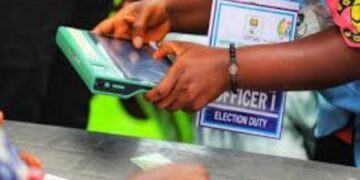
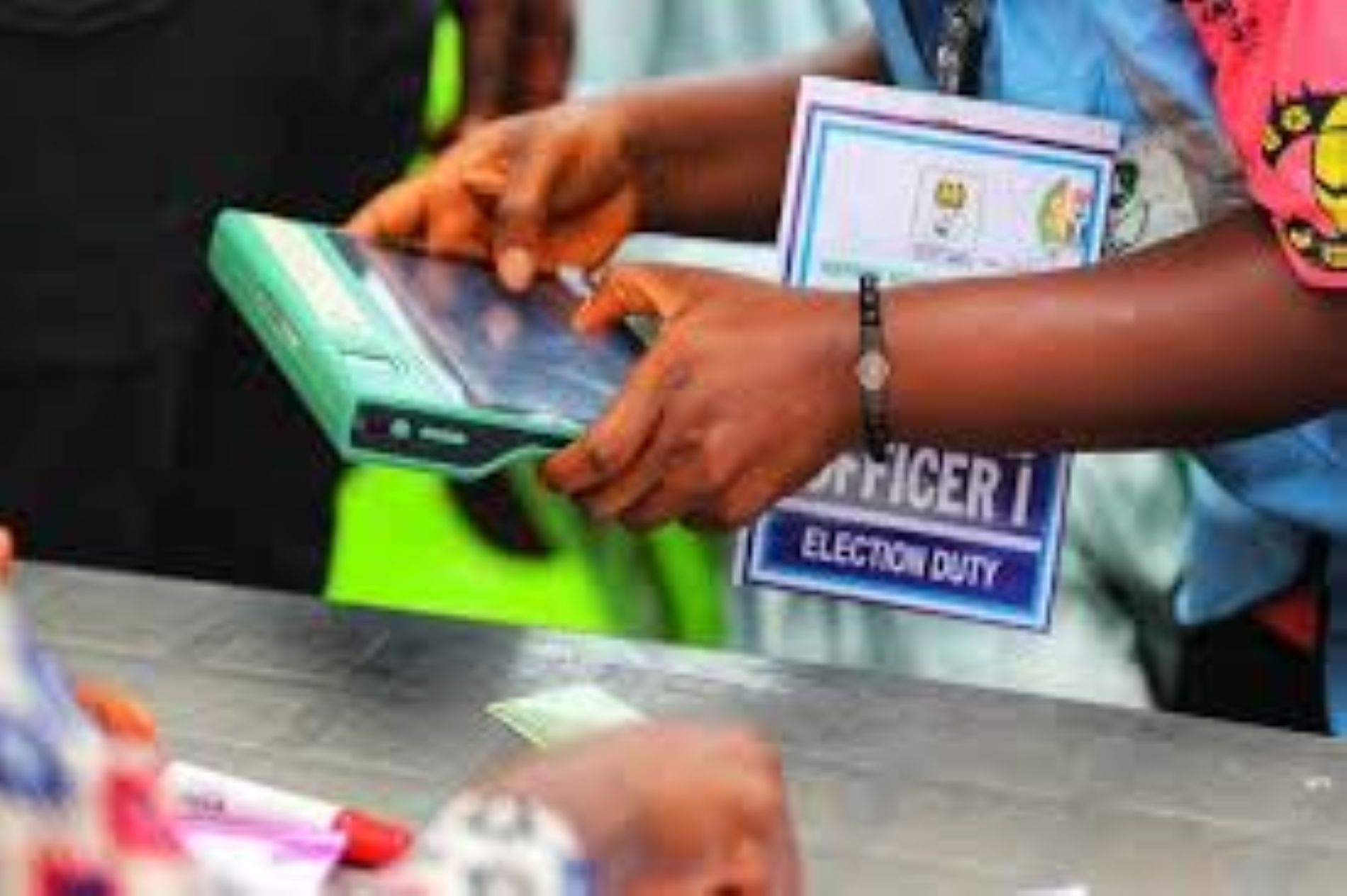
The commission is also addressing problems experienced with the Bimodal Voter Accreditation System (BVAS) during the 2023 elections, particularly device malfunctions associated with extreme heat and unsuitable storage conditions.
Amupitan said climate-controlled storage facilities were being constructed across the states to protect the equipment.
INEC has also acquired additional BVAS devices and reduced the maximum number of registered voters assigned to each machine from 1,250 to 850. Polling units with more than 850 registered voters will receive multiple devices to ease accreditation and reduce delays.
To assess the effectiveness of the upgrades, the commission has scheduled a nationwide mock accreditation and voting exercise for November 28. The exercise will take place across all states and simulate the presidential election, including voter accreditation and electronic transmission of results.
INEC awaits outstanding 2027 election funds
On preparations for the elections, Amupitan said INEC had received a substantial part of its 2027 election budget but was still waiting for the release of the outstanding balance.
He said the commission had been assured that the remaining funds would be made available before the end of November. Part of the allocation is intended to support the recruitment and welfare of ad hoc election personnel.
The chairman also addressed questions about his political neutrality following social media allegations linking his telephone number to a controversial account on X, formerly Twitter.
He denied ever operating an account on the platform and said an independent forensic assessment had been obtained. The matter had also been referred to the Department of State Services and the Inspector-General of Police for investigation.
Amupitan rejected suggestions that his previous work as a lawyer in political disputes could affect his impartiality as INEC chairman, maintaining that he had acted in his professional capacity before his appointment.
He said his responsibility was to uphold the Constitution and the Electoral Act, adding that all public institutions and elected officials were bound by the same constitutional obligations.
On allegations of irregularities in the voter register, including claims of an 85 per cent increase in registered voters in a ward in Ebonyi State, he said INEC had investigated and addressed the complaint through the procedures provided by law.
He added that the Electoral Act allows members of the public to make claims, raise objections and request certified copies of the voters’ register within specified periods.
Amupitan also urged young Nigerians to take an active interest in the democratic process and resist the spread of false information.
He warned that misinformation posed a serious threat to democracy and called on citizens to verify claims before sharing or acting on them, stressing that young people had an important role in shaping the country’s future.