









































































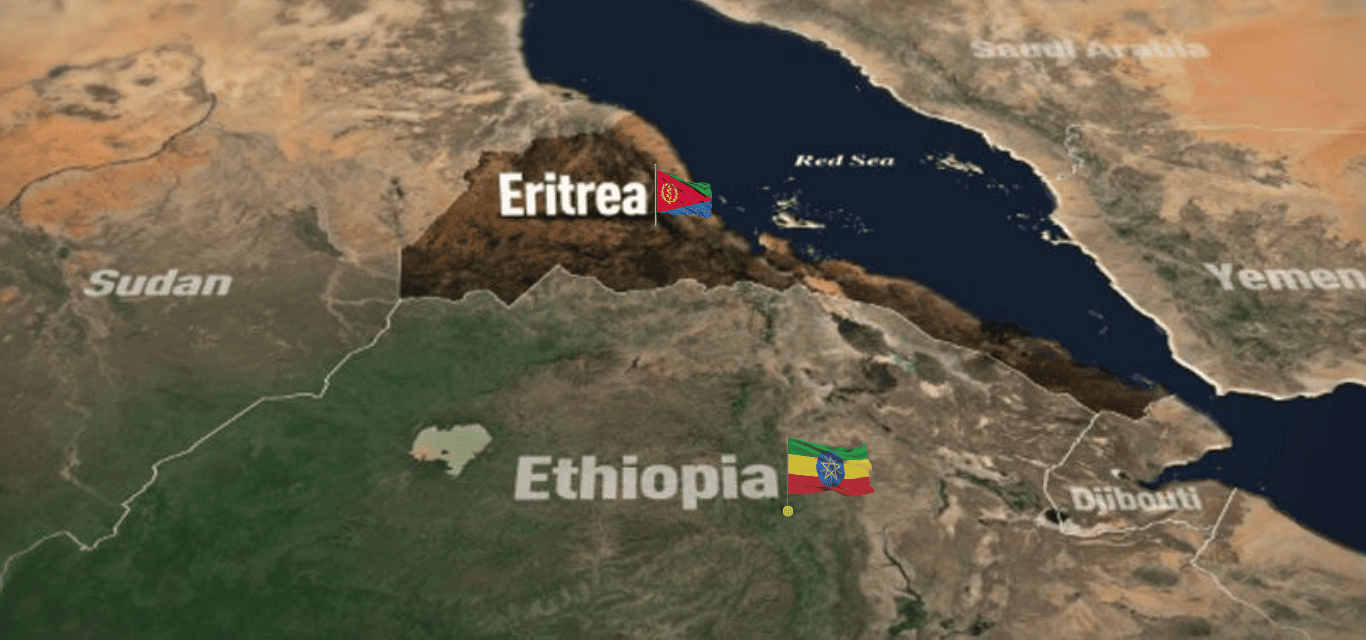
Ethiopia and Eritrea have deployed additional forces along their shared border, raising concerns that tensions between the neighbouring countries could escalate into another war, according to conflict monitors and sources linked to armed groups in northern Ethiopia.
The military build-up has brought the two countries’ forces within close range of each other, the conflict monitoring organizations ACLED and International Crisis Group said. Two people with links to rival armed groups in Ethiopia’s Tigray region also reported increased military activity.
Reports of possible clashes have added to concerns about a direct confrontation between the former allies. However, Reuters said it could not independently verify accounts of recent fighting between the two armies.
ACLED and a source close to anti-government rebels in Tigray said Ethiopian and Eritrean forces had exchanged fire in recent days. Such incidents, if confirmed, would mark their first direct armed confrontations in more than a month.
However, a person linked to the pro-government Tigray Peace Force disputed the reports, saying Ethiopian troops were advancing towards the border while pursuing rebel fighters but had not clashed with Eritrean forces. Both sources requested anonymity because they were discussing military developments.
Eritrean Information Minister Yemane Gebremeskel dismissed statements from Ethiopia’s ruling party about developments near the border as propaganda but did not directly respond to questions about the reported troop movements or clashes. Ethiopian government spokespeople did not immediately comment.
Tensions threaten wider conflict in the Horn of Africa
Diplomats and security analysts have warned of a possible confrontation between the two countries since fighting erupted in September between Ethiopia’s federal government and rebels in Tigray, a region bordering Eritrea.
Witnesses and the Ethiopian government alleged that Eritrean troops entered Tigray in early October to support the rebels. ACLED reported at the time that drone strikes, which it believed were carried out by Ethiopia’s military, targeted positions likely occupied by Eritrean forces. Ethiopia has not commented on those reported strikes.
Eritrea has denied sending troops into Ethiopia and accused the government in Addis Ababa of using the allegations to justify a possible invasion.
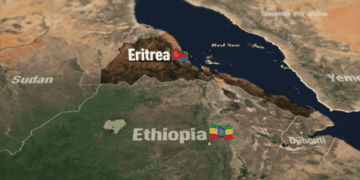
The two countries share a border stretching more than 1,000 kilometres. Eritrea was part of Ethiopia for about three decades before gaining independence in 1993.
The conflict in Tigray has also raised concerns about instability spreading across the wider Horn of Africa. Ethiopia has accused Sudan and Egypt of supporting the rebels, allegations both countries have rejected. Sudan is currently grappling with its own civil war.
Ethiopia and Eritrea fought a devastating border conflict between 1998 and 2000, which killed tens of thousands of people. The war was triggered by a dispute over Badme, a border town that a United Nations boundary commission later ruled belonged to Eritrea.
Reports of artillery exchanges around Badme
ACLED said in a statement late on Tuesday that artillery fire and armed clashes had been reported around Badme since the previous week, as Ethiopian forces moved to drive Tigrayan rebels away from the border area.
The organization said Ethiopian drones struck what were believed to be Eritrean positions around Badme on November 12, while Eritrean forces fired artillery towards Ethiopian positions.
It reported that the following day, the two armies clashed on the Ethiopian side of the border.
A source close to the Tigrayan rebels also reported intermittent fighting between Ethiopian and Eritrean troops but provided no further details.
Magnus Taylor, an analyst with the International Crisis Group, did not independently confirm direct clashes between the two countries. He warned, however, that continued fighting between Ethiopian forces and Tigrayan rebels near the border could draw Eritrea more deeply into the conflict.
Taylor said such an escalation could lead Eritrea to increase its involvement on the rebels’ side, creating a dangerous situation that might trigger direct war between the two countries.
Diplomatic relations deteriorate after 2018 peace deal
Ethiopia and Eritrea signed a peace agreement in 2018, ending decades of hostility. The two countries later fought on the same side during Ethiopia’s 2020 to 2022 civil war in Tigray.
Relations have since deteriorated, particularly over Ethiopian Prime Minister Abiy Ahmed’s push to secure access to the sea for his landlocked country.
Eritrea has interpreted Abiy’s statements about Ethiopia regaining sea access as an implied threat, raising fears that the issue could become another source of military confrontation.
Abiy has maintained that his government intends to secure access to the sea through peaceful means.