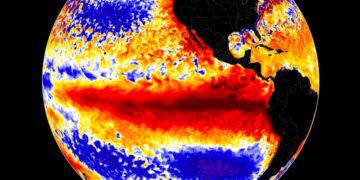


































































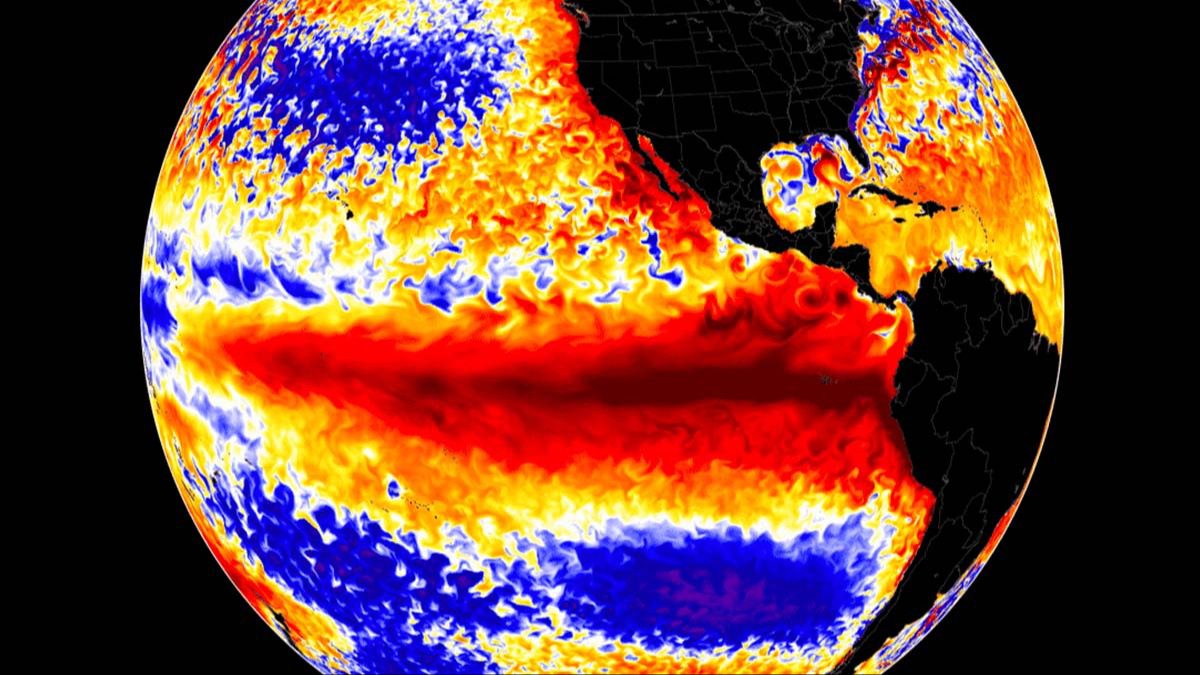
Scientists are closely monitoring signs of a potentially powerful El Niño event that could reshape weather patterns across several parts of the world, bringing heightened risks of extreme heat, heavy rainfall, drought and other climate-related disruptions.
Researchers at Imperial College London are among those working to improve ocean monitoring and climate forecasting as scientists assess the possibility of an unusually strong El Niño, sometimes referred to as a “Godzilla El Niño” because of its potential intensity.
El Niño develops when unusually warm surface waters build up in the central and eastern tropical Pacific Ocean. The resulting changes in the atmosphere can influence weather thousands of kilometres away, making it a global climate phenomenon rather than a threat confined to one country or region.
Countries around the Pacific and in the Americas are typically among the first to experience significant effects, while regions across Asia, Africa, Australia and Europe can also see changes in temperature and rainfall as the event develops.
The consequences can vary depending on the strength and timing of the phenomenon. Some areas may face intense rainfall and flooding, while others could experience prolonged dry conditions, extreme heat or heightened wildfire risks.
Major cities are also vulnerable because extreme weather can place additional pressure on drainage systems, transport networks, water supplies, energy infrastructure and other essential services.
London is among the cities scientists are watching because changes in global atmospheric circulation can eventually influence European weather. However, its potential exposure is part of a much broader picture involving countries and communities across several continents.
Scientists at Imperial College and other research institutions are therefore focusing on changes in ocean temperatures, atmospheric conditions and other indicators that could provide early warning of the event’s development.
The “Godzilla El Niño” description does not mean that an extreme event is certain. Its eventual strength and geographical effects will depend on how conditions in the Pacific Ocean and atmosphere evolve.
With El Niño capable of influencing weather patterns on a global scale, improved monitoring could give governments and vulnerable communities more time to prepare for potentially disruptive conditions.