





































































Saudi Arabia is set to receive stronger regional support as attacks by Yemen’s Iran-aligned Houthi movement intensify, with Saudi, Turkish and Pakistani military chiefs preparing for an urgent meeting under a new joint defence agreement.
The development comes as Iraq moves to further restrict flights to and from Iran in line with mounting US pressure, while an Iranian official warned that Tehran could retaliate if regional countries continue to isolate it.
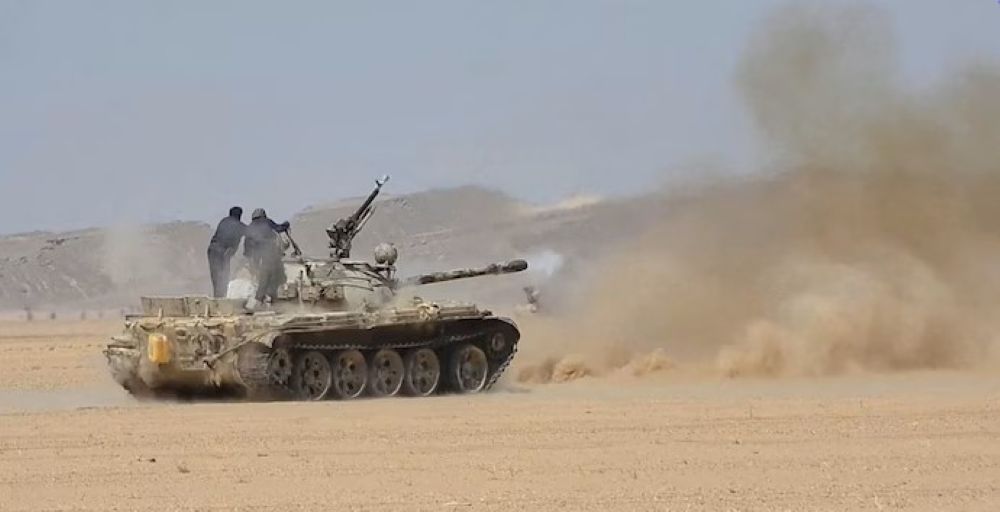
The Houthis have stepped up attacks on Saudi Arabia and the Saudi-backed government in Yemen, threatening oil infrastructure and shipping routes as the wider Middle East conflict continues. Saudi authorities said they intercepted six ballistic missiles fired by the group on Thursday, while the Houthis claimed to have launched dozens of missiles and drones at Saudi targets.
Saudi Arabia, Turkey, Pakistan Activate Defence Pact
Foreign ministers from Saudi Arabia, Turkey and Pakistan met in New York under the framework of the Mecca Joint Defence Agreement, signed in August.
The ministers condemned attacks targeting Mecca and other civilian locations and reaffirmed Saudi Arabia’s right to defend itself.
They also agreed to arrange an urgent meeting of the three countries’ military chiefs to consider ways of supporting Saudi Arabia under the pact, which states that an attack on one member is considered an attack on all three.
Turkey has previously indicated that it could assist Saudi Arabia with military and technical requirements. However, Ankara has said any support at this stage would largely remain bilateral because the agreement has yet to be fully ratified by the Turkish parliament.
Iran Warns Against Further Pressure
The widening restrictions on Iran have raised concerns about further escalation.
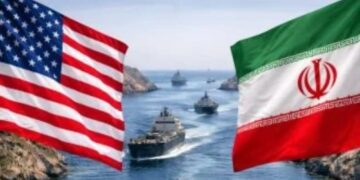
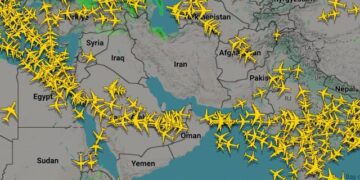
Iranian airlines were barred from operating in neighbouring countries including the United Arab Emirates and Oman on Thursday following new US sanctions targeting businesses in third countries that maintain commercial ties with Iran.
Iraq subsequently suspended flights to and from Iran at its remaining three airports, following an earlier suspension at Baghdad airport.
The restrictions could deepen Iran’s isolation and add to the economic pressure on a country already facing restrictions on its seaborne oil trade.
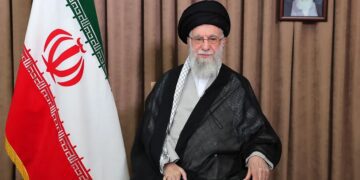
Mohammad Mokhber, an adviser to Iran’s Supreme Leader, criticized countries imposing the flight restrictions, accusing them of aligning with Washington.
He warned that if Iran was prevented from flying and accessing airport services, other countries in the region could face similar restrictions.
Religious Leader Calls on Saudi Troops to Prepare for War
Saudi Arabia’s top religious authority has urged the kingdom’s soldiers to be prepared to sacrifice their lives in the fight against the Houthis.
The call came after the Houthi movement claimed attacks on Saudi targets, while Riyadh reported intercepting ballistic missiles launched towards the kingdom. Saudi authorities have also issued emergency alerts for areas including Mecca, Jeddah and Yanbu, a major Red Sea oil port.
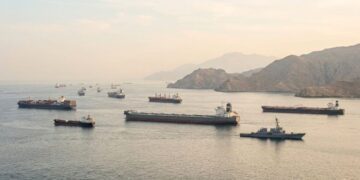
The attacks have added pressure to Saudi Arabia’s energy and shipping infrastructure. The Houthis have disrupted maritime traffic near the Red Sea, while Iran has restricted tanker movement through the Strait of Hormuz, a major route for global oil supplies.
Tehran Offers Terms for Reopening Hormuz
Despite the military escalation, Iran has continued to signal an opening for diplomacy with the United States.
Iranian Foreign Minister Abbas Araqchi said Tehran had sent Washington a proposal through intermediaries that would allow the Strait of Hormuz to reopen if Iran’s conditions were met.
Under the proposal, hostilities across the region, including in Lebanon, would end within seven days. In return, Washington would lift its blockade of Iranian ports, release frozen Iranian funds and waive oil sanctions.
Araqchi said the Strait of Hormuz would be reopened on the final day of the proposed process, after which talks on other issues, including Iran’s nuclear programme, could begin.
A senior Iranian official also said Tehran was reviewing Washington’s response to its proposals.
Oil prices fell on Friday as markets assessed the possibility of a diplomatic breakthrough, although shipping through the Strait of Hormuz remained sharply below its recent average.
The competing moves, military coordination around Saudi Arabia and Iran’s diplomatic proposals, come as the wider conflict continues to disrupt energy supplies and shipping routes across the Middle East.