






































































Foreign ministers from the Association of Southeast Asian Nations (ASEAN) have expressed deep concern over the escalating conflict in the Middle East, warning that renewed hostilities threaten global stability, energy security and economic growth while complicating efforts to resolve regional crises.
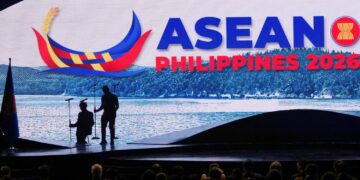
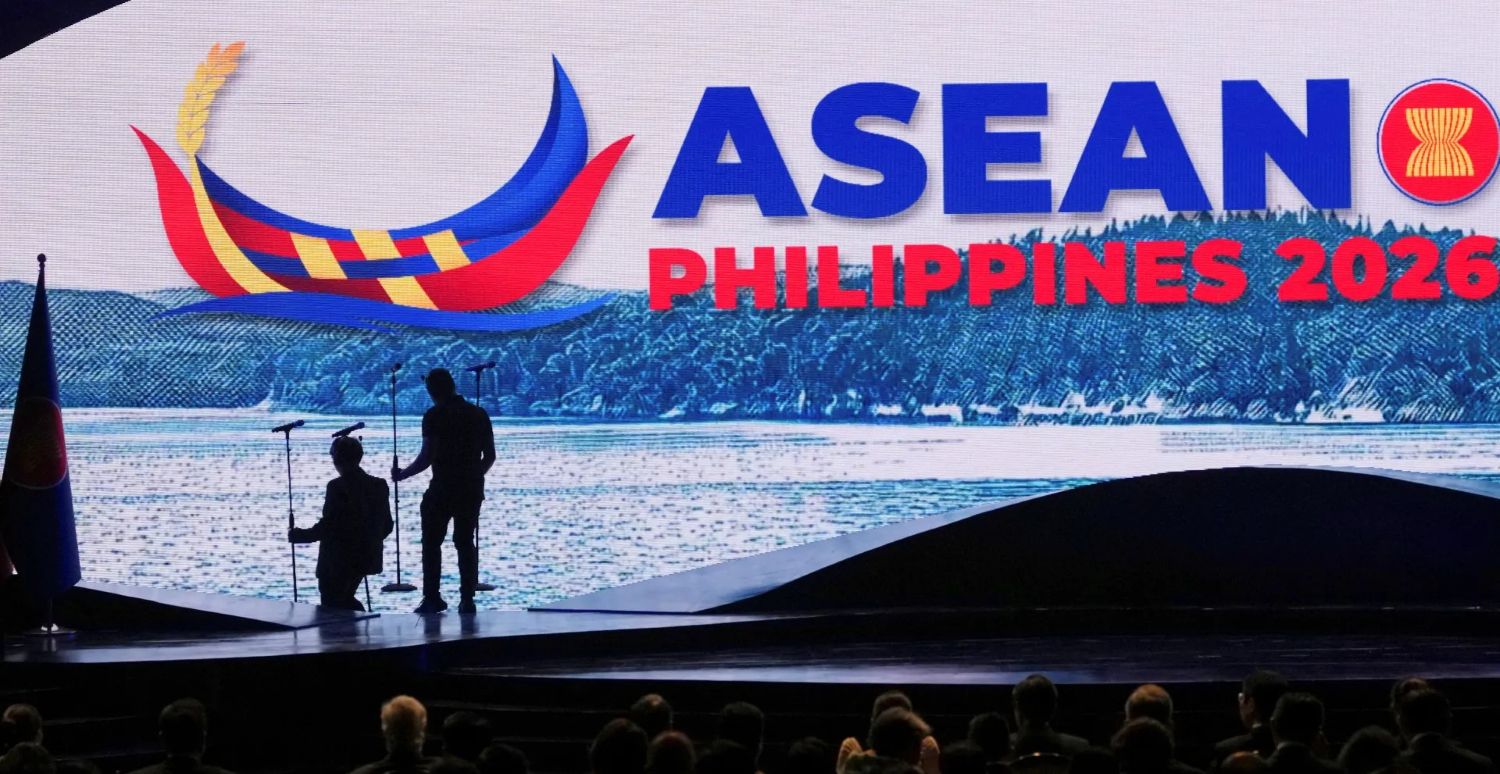
The ministers issued the warning on Tuesday during the opening of a series of high-level meetings in Manila, Philippines, where diplomats from ASEAN’s 10 member states, Timor-Leste and key global partners are gathering for talks on security, trade and geopolitical challenges.
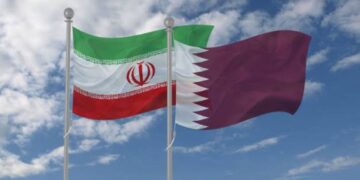
The meeting comes against the backdrop of intensifying military confrontation between the United States and Iran, which has fuelled fears of prolonged disruption to global oil supplies and international shipping.
In a joint statement released after a closed-door session, ASEAN foreign ministers called for an immediate reduction in tensions and renewed diplomatic engagement.
The bloc said it was “seriously concerned” that the latest escalation could undermine ongoing mediation efforts and diminish prospects for a peaceful settlement.
The ministers warned that continued fighting risked worsening global uncertainty at a time when economies are already facing inflationary pressures and slowing growth.
The concerns have become more urgent following the announcement by Yemen’s Iran-backed Houthi movement of a naval blockade targeting Saudi Arabia, a move that threatens to expand the conflict beyond the Gulf and place further strain on global energy markets.
The Middle East crisis poses significant risks for Southeast Asia, which depends heavily on imported crude oil.
With a combined economic output estimated at about $3.8 trillion, ASEAN economies remain highly exposed to any prolonged disruption of supplies through the Strait of Hormuz and other critical shipping routes.
Regional officials have therefore accelerated discussions on an ASEAN oil-sharing arrangement designed to cushion member states against supply shortages in the event of a prolonged crisis.
Beyond developments in the Middle East, ASEAN leaders are also expected to focus on the worsening conflict in Myanmar.
Foreign ministers are scheduled to hold dedicated consultations on the country’s civil war, five years after the military seized power in a coup that triggered widespread violence.
ASEAN’s peace initiative has struggled to make progress, while fighting between the military government and resistance groups continues across large parts of Myanmar.
The conflict is estimated to have claimed tens of thousands of lives and displaced millions of civilians.
Another major issue on the agenda is the increasingly tense situation in the South China Sea.
ASEAN and China have spent nearly a decade negotiating a Code of Conduct aimed at preventing maritime disputes from escalating into conflict, but talks have yet to produce a final agreement.
Fresh tensions emerged ahead of the Manila meetings after the Philippines accused China’s Coast Guard of assaulting one of its navy personnel during an encounter near the disputed Second Thomas Shoal.
According to Philippine authorities, the sailor was struck on the head with a baton by Chinese personnel.
Beijing rejected the allegation, describing it as false, and said it had summoned the Philippine ambassador over the incident.
The United States condemned what it described as China’s “dangerous and aggressive” actions, accusing Beijing of continuing a pattern of intimidation against lawful Philippine maritime operations.
The ASEAN meetings are expected to feature several major diplomatic engagements involving world powers.
U.S. Secretary of State Marco Rubio and Chinese Foreign Minister Wang Yi are both attending and are widely expected to hold bilateral talks on the sidelines of the summit.
Also participating are representatives from Japan, India, Australia, South Korea, Russia, the United Kingdom and the European Union.
Ahead of the meetings, Rubio reaffirmed Washington’s commitment to maintaining freedom of navigation in the Indo-Pacific.
Writing in Philippine newspapers before arriving in Manila, the U.S. secretary warned against attempts by any country to use strategic waterways as geopolitical leverage.
He argued that unrestricted access to international sea lanes remains essential to regional security and global commerce.
Without mentioning China directly, Rubio cautioned that if vital shipping routes were controlled by a power willing to weaponize trade, both the United States and ASEAN countries would face serious threats to their sovereignty, economic stability and national security.
Rubio also reiterated U.S. support for the 2016 ruling by an international arbitral tribunal, which invalidated China’s sweeping claims over much of the South China Sea.
The ruling, delivered in a case brought by the Philippines, was described by Rubio as final and legally binding.
China continues to reject the tribunal’s decision and insists its territorial claims remain valid.
The United States also reaffirmed that it would honour its treaty commitments to the Philippines and other regional allies in the face of what Rubio described as growing coercive threats in the Indo-Pacific.