









































































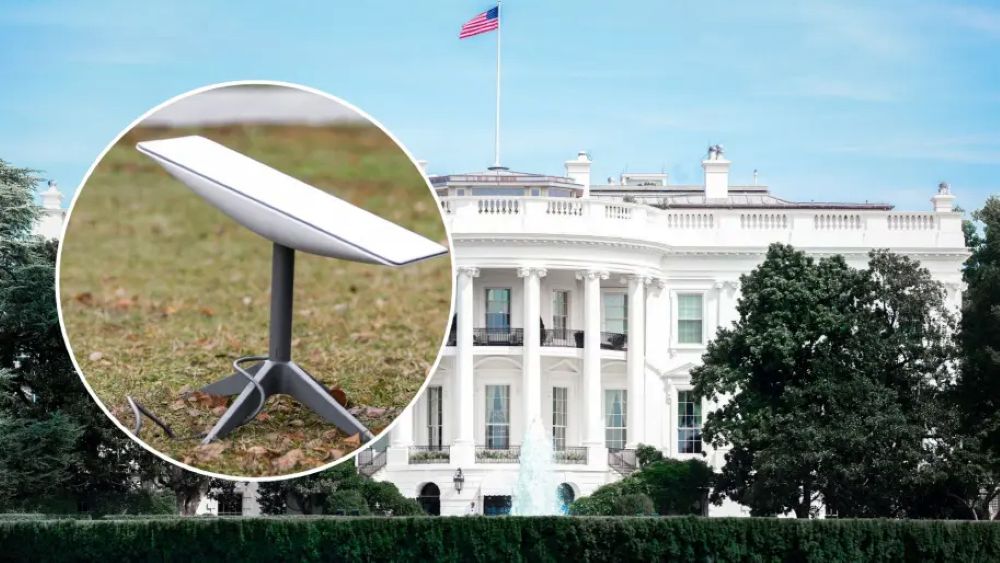
US Secretary of State Marco Rubio has said decisions on Ukraine’s access to Starlink satellite services rest with Elon Musk and his company, SpaceX, rather than the White House, amid conflicting accounts of who authorized restrictions affecting Kyiv’s military communications.
Rubio made the remarks on Wednesday while speaking to reporters during a visit to India, following reports that Musk had ordered a slowdown of a military-grade version of the satellite service used by Ukraine in its defence against Russian missile attacks.
The Wall Street Journal reported on Tuesday that Musk ordered the slowdown, citing sources who gave differing accounts of whether he discussed the decision with US President Donald Trump and White House officials before or after it took effect.
Rubio said he was unaware of any advance notice to the administration but argued that the question of prior discussions did not change who controlled the service.
He described access and performance levels as matters governed by a private commercial contract, saying SpaceX had authority over how its technology could be used and the speeds available to users.
Musk and SpaceX had not responded to requests for comment on the reports.
However, the secretary of state’s account conflicts with claims from other sources. Reuters previously reported, citing two US officials and a Western official briefed on the matter, that the order to restrict Ukraine’s access to Starshield originated within the White House. Ukrainian President Volodymyr Zelenskyy has also attributed the disruption to the US administration, which has denied responsibility.
Rubio’s latest remarks could deepen concerns in Washington over Musk’s influence on US foreign policy, particularly given the importance of satellite communications to Ukraine’s military operations.
The comments also appear to differ from his earlier position. Before travelling to Uzbekistan and India on Saturday, Rubio said the US government had not ordered any slowdown and suggested the disruption was not deliberate.
Trump had also publicly denied that either he or Musk was responsible for the restrictions.
The issue has drawn scrutiny from lawmakers in both major US political parties, particularly over the extent to which a private company can affect a country’s ability to defend itself during an ongoing war.
US Defence Secretary Pete Hegseth similarly described the matter on Tuesday as a commercial issue, pointing to Starlink’s terms of service and SpaceX’s authority to make decisions about how its network is used.
No US official has publicly confirmed that the administration pressed SpaceX to restore any restricted services.
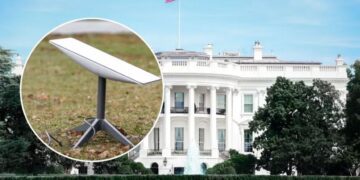
Part of the dispute centres on the distinction between Starlink, SpaceX’s satellite internet service, and Starshield, a military-focused system developed for the US Department of Defense.
Rubio suggested on Saturday that Ukraine had not been given access to Starshield, while Zelenskyy said disruptions had affected both Starlink and Starshield services in the country.
The conflicting statements have left questions unresolved about the precise nature of the restrictions, who authorized them and the extent of any discussions between Musk and the Trump administration.