

















































































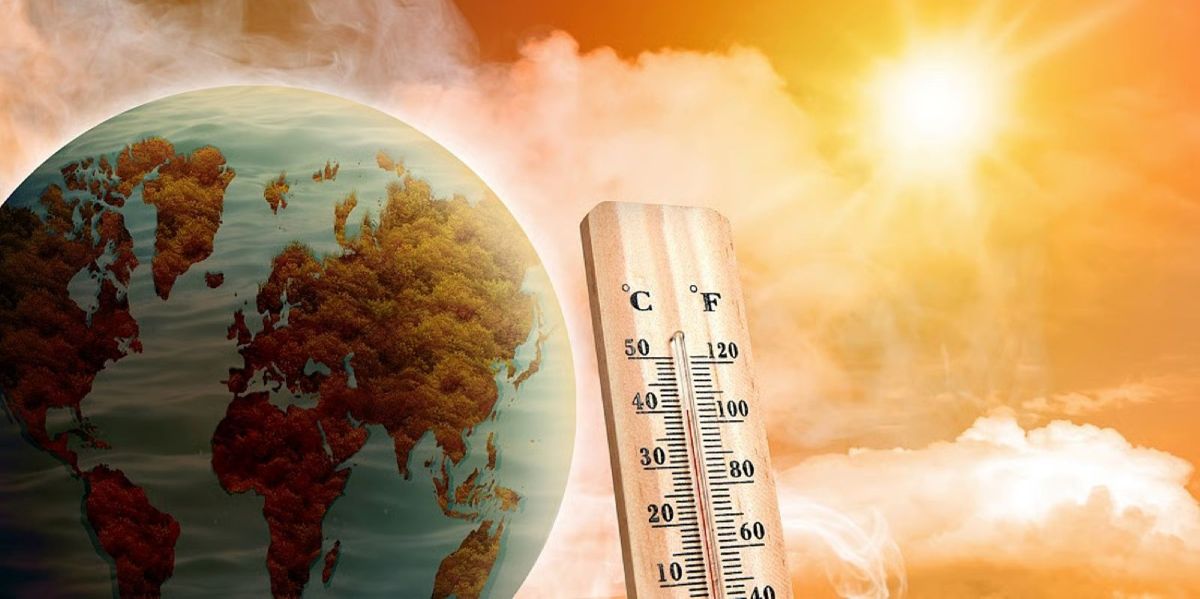
Global temperatures could rise to between 1.7°C and 1.8°C above pre-industrial levels by the middle of the century, even under the most optimistic climate scenario, according to a new United Nations report released on Wednesday.
The report by the United Nations Environment Programme (UNEP) warned that significantly deeper cuts in greenhouse gas emissions are needed to limit long-term warming, despite faster-than-expected growth in renewable energy and the introduction of climate policies in several countries.
It said global emissions must fall by 18 per cent from 2025 levels by 2030, 45 per cent by 2035 and 69 per cent by 2040 to achieve the best possible outcome.
However, existing national climate plans are projected to reduce emissions by only 5 to 8 per cent by 2030 and 11 to 15 per cent by 2035, leaving a substantial gap between current commitments and the reductions required.
Under existing policies, the world is on course for warming of about 2.8°C by 2100. If countries fully implement their current climate pledges, the increase could be limited to 2.6°C.
Both projections are higher than estimates published last year. The report attributed the change partly to the United States’ withdrawal from the Paris Agreement and revised assessments of historical emissions.
With countries preparing for the next round of international climate negotiations, COP31, in Turkey, UN Secretary-General António Guterres urged governments to maintain efforts to tackle global warming, which is intensifying the risks of floods, wildfires and other extreme weather events.
Guterres said exceeding the 1.5°C threshold should not be treated as the end of efforts to contain climate change. He stressed that countries could still limit the extent and duration of the overshoot and potentially bring temperatures back below that level by the end of the century.
The 2015 Paris Agreement commits countries to keeping global warming well below 2°C above pre-industrial levels while pursuing efforts to limit the increase to 1.5°C.
However, UNEP said limiting warming to 1.5°C without, or with only a limited, temporary overshoot was no longer considered achievable. Its latest lowest-overshoot scenario gives the world roughly a 50 per cent chance of returning to 1.5°C or below by 2100.
Achieving that outcome would require large-scale removal of carbon dioxide from the atmosphere, a strategy whose technical feasibility and ability to operate at the necessary scale remain uncertain.
The report also found that new climate plans submitted since last year had made virtually no difference to projections of future warming, highlighting the gap between international climate commitments and the action needed to meet global temperature goals.