

















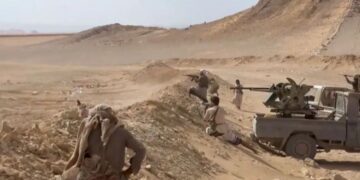


















































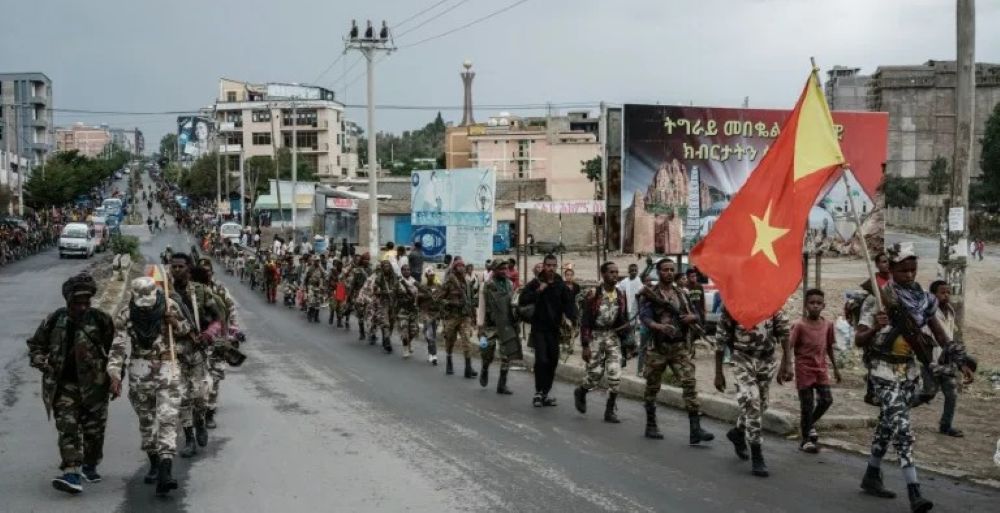
Fighting between Ethiopian federal forces and Tigrayan forces has intensified, raising fears of a renewed war four years after a peace agreement ended a devastating conflict in the northern region.
Tigrayan forces have seized three airports and launched attacks in the neighbouring Afar and Amhara regions, while flights to the historic town of Lalibela have been suspended as clashes spread.
The Ethiopian military said it had repelled the latest attacks and reported that more than 500 opposing fighters had been killed, wounded or captured. The figures could not be independently verified.
The United Nations and European Union have called for restraint and urged the parties to return to the African Union-backed peace process that ended the 2020-2022 war, which killed hundreds of thousands of people.
Residents Stockpile Food and Cash
The renewed fighting has triggered anxiety in communities across northern Ethiopia.
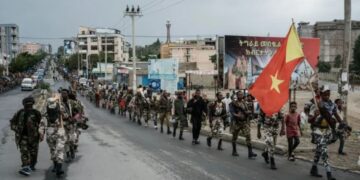
In Mekelle, the capital of Tigray, residents reported stockpiling food and withdrawing cash as Tigrayan forces patrolled the streets and drones flew overhead.
Residents in Adigrat, near the Eritrean border, also described panic buying, empty shops and shortages of essential medicines.
Some residents said they feared a return to the siege-like conditions experienced during the previous war, when Tigray was largely cut off from the outside world and access to food, medicine and cash was severely restricted.
There were also reports that young people were being forced to join the fighting. The claims could not be independently verified, while the Tigray People’s Liberation Front (TPLF) has previously denied allegations of forced recruitment.
Lalibela Flights Suspended
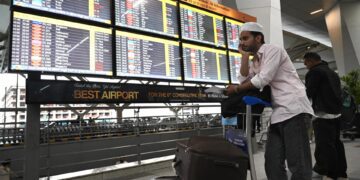
Flights to Lalibela in Amhara State were suspended on Thursday as fighting intensified around the town.
Lalibela is a UNESCO-listed destination famous for its medieval rock-hewn churches and lies along important routes into northern Ethiopia.
Sources told Reuters that fighting was taking place around the town but had not entered Lalibela itself. Residents were also reported to be withdrawing cash amid fears of further escalation.
The TPLF and its allies have also seized control of airports in Tigray, prompting the suspension of flights to and from the region.
Government, TPLF Give Conflicting Accounts
The federal government has accused the TPLF of launching a major offensive against government positions in Afar and Amhara.
Tigrayan leaders, however, say they are fighting defensively against what they describe as aggression by federal forces, accusing the government of using drones, artillery and ground troops.
The Ethiopian military said its forces had repelled the offensive. Lieutenant General Assefa Chekol, commander of the North East Command, said 272 attackers were killed and another 260 wounded. Reuters said it could not independently verify the figures, and a TPLF spokesperson did not respond to a request for comment.
The latest escalation follows months of deteriorating relations between the federal government and Tigrayan authorities. The TPLF also recently joined six other armed groups in an alliance seeking to remove Prime Minister Abiy Ahmed’s government.
The government has accused Eritrea of providing financial support to members of the alliance, a claim Eritrea has repeatedly denied.
Fears of Wider Regional Conflict
The renewed fighting has raised concerns about a broader conflict in the Horn of Africa, where tensions are already high because of Ethiopia’s strained relations with Eritrea, the war in neighbouring Sudan and disputes over access to the Red Sea.
The 2020-2022 Tigray war caused a severe humanitarian crisis, with hundreds of thousands of deaths and widespread displacement. The region has yet to fully recover from the effects of that conflict.
The European Union said immediate de-escalation was necessary, stressing that differences between the parties could only be resolved through dialogue rather than military action.
The United Nations has similarly urged the sides to exercise restraint and return to the peace process, as fears grow that the latest clashes could develop into another prolonged war.