

































































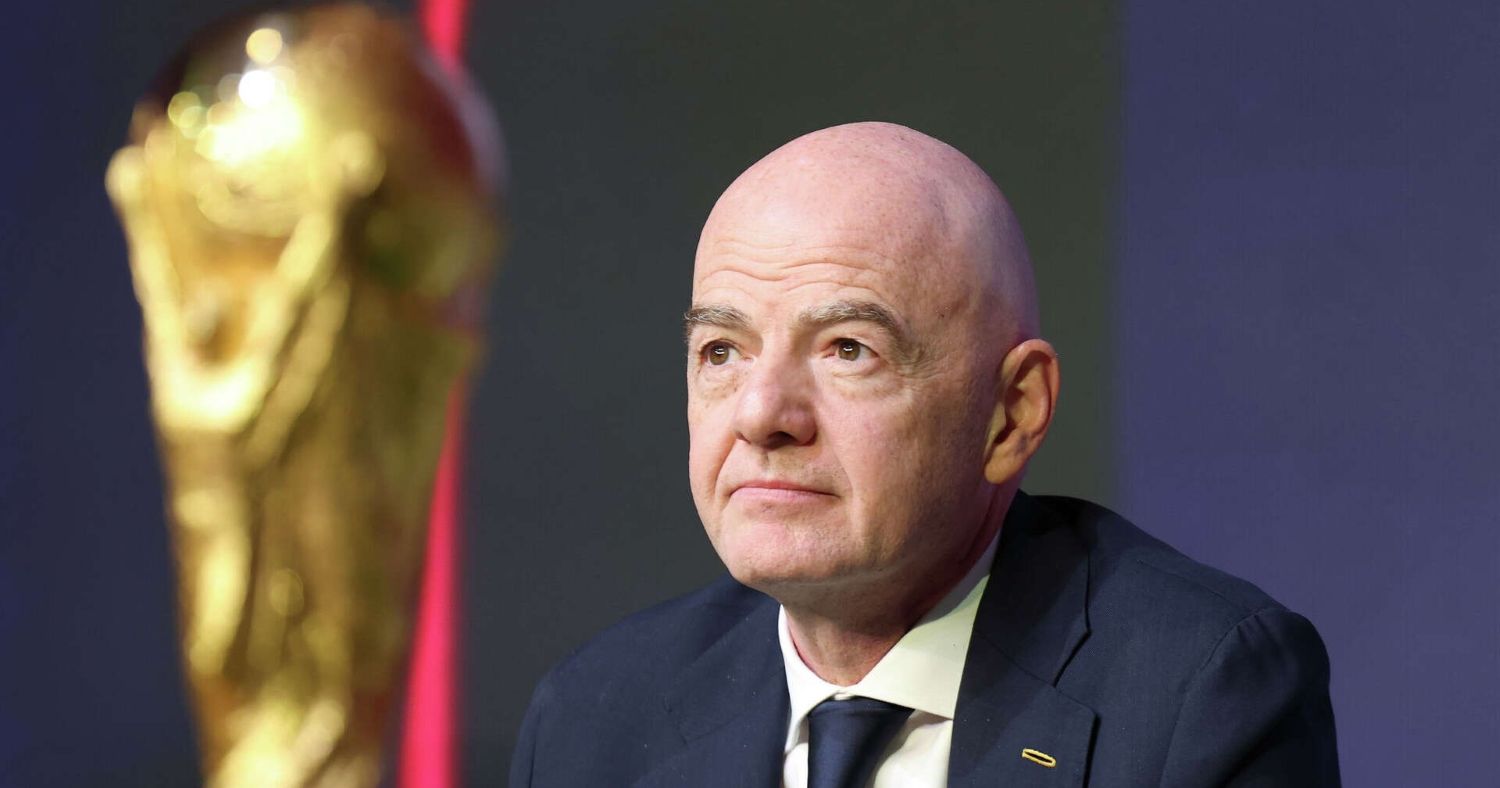
World football governing body FIFA has officially withdrawn its controversial proposal to open part of its commercial operations to private investors after facing widespread resistance from football federations, continental confederations and political leaders across the globe.
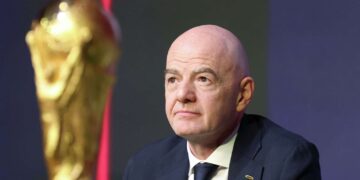
FIFA President Gianni Infantino confirmed the decision on Saturday, saying the organization had chosen to shelve the initiative in order to preserve unity within the global football community.
According to Infantino, FIFA’s primary responsibility remains promoting and developing football worldwide, adding that any proposal capable of creating deep divisions among stakeholders would not be pursued.
Proposal aimed to raise billions
The now-abandoned plan sought to establish a new commercial entity known as FIFA Forward Enterprise (FFE), which would have managed the commercial rights of competitions such as the FIFA World Cup and FIFA Club World Cup.
FIFA had projected the new company could be valued at around $20 billion, with plans to raise as much as $4.2 billion by selling minority, non-controlling stakes to long-term investors.
The governing body argued that proceeds from the investment would significantly increase financial support for its 211 member associations.
Under the proposal, every national football association would have received a one-time payment of $20 million before the 2027 financial cycle, while FIFA’s regular development funding was expected to increase substantially.
Football bodies reject proposal
Despite FIFA’s assurances that it would retain control over football governance, the proposal was met with immediate opposition from several continental football organizations.
UEFA led the criticism, insisting that the FIFA World Cup is a global sporting asset that should never become an investment vehicle for private interests.
The European governing body warned that its member associations would refuse to participate in FIFA competitions if the proposal remained active.
Similar concerns were raised by the Asian Football Confederation (AFC), CONCACAF, South America’s CONMEBOL, and several national football associations, all of which demanded greater transparency and wider consultation before any major commercial restructuring.
Calls for consultation
Following FIFA’s decision to withdraw the proposal, the AFC welcomed the move, stressing that decisions capable of reshaping global football should involve meaningful discussions with confederations, member associations and other key stakeholders.
The Mexican Football Federation also praised the reversal, describing it as a victory for cooperation and unity within world football.
Internal pressure mounted
Pressure on FIFA intensified after senior adviser Carlos Cordeiro resigned over the proposal, reportedly describing the plan as harmful to member associations and the long-term interests of football.
Political voices also joined the debate, with critics questioning whether football’s biggest competitions should be linked to private investment.
The mounting opposition eventually forced FIFA to reconsider its position.
Infantino promises renewed dialogue
Announcing the withdrawal, Infantino acknowledged that while the proposal may have attracted considerable support, it had also generated significant disagreement across the football family.
He said FIFA would now focus on rebuilding consensus and working closely with confederations, national associations and stakeholders on future initiatives designed to strengthen football development worldwide.
The FIFA president maintained that expanding financial support for developing football nations remains a priority but indicated that any future reforms would require broader consultation and collective agreement before implementation.