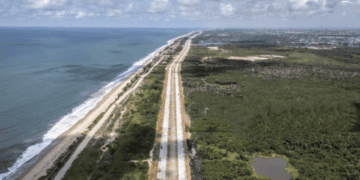














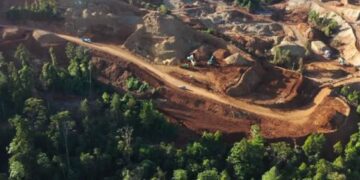



















































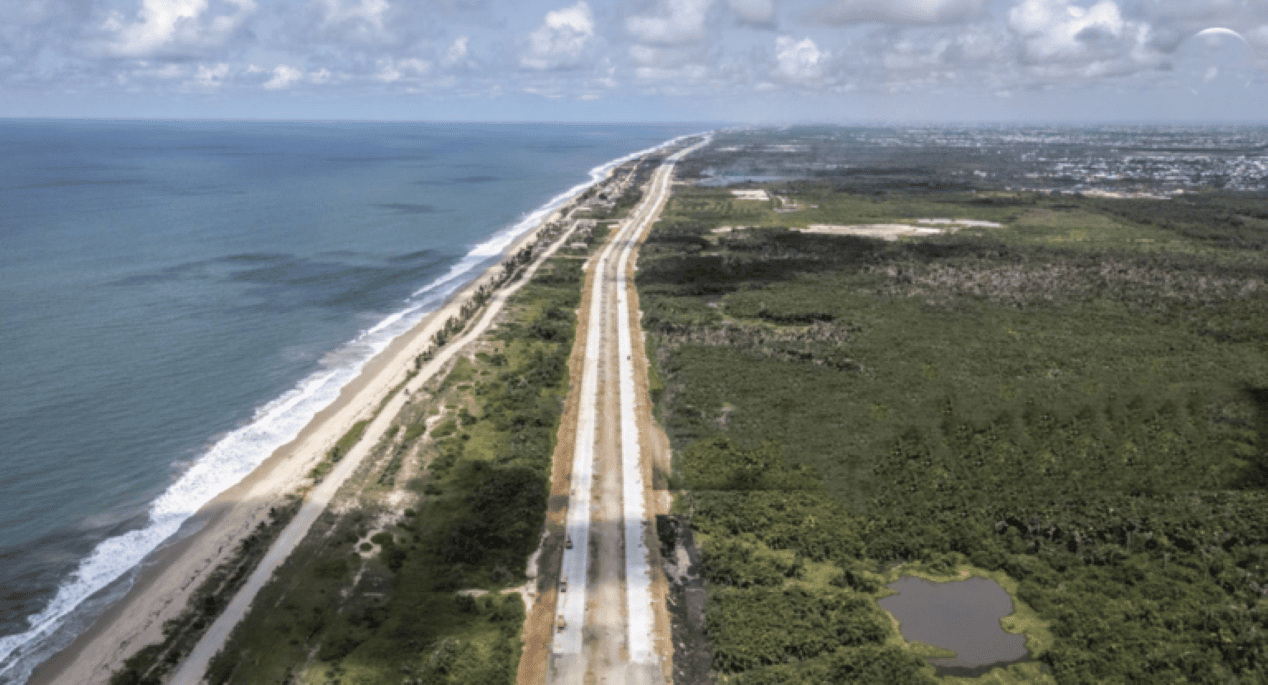
Federal lawmakers have dismissed claims that the ongoing Lagos-Calabar Coastal Highway project is responsible for recent flooding in parts of Lagos, maintaining that the city’s long-standing drainage and environmental challenges predate the construction of the highway.
The position was made known during an inspection of the coastal highway project led by the Minister of Works, David Umahi, alongside members of the National Assembly and other stakeholders.
Chairman of the Senate Committee on Works, Senator Allwell Onyesoh, said discussions with engineers and environmental experts during a stakeholders’ engagement indicated that the flooding could not be directly linked to the highway project.
According to him, experts explained the geographical characteristics of Lagos, historical flooding patterns and the movement of water within the coastal environment, noting that flooding has affected the city for decades.
He argued that observations made during the inspection showed water flowing naturally through the area, suggesting that the phenomenon would have occurred regardless of the road construction.
The senator commended President Bola Tinubu and the Minister of Works for what he described as a prompt response to concerns raised by residents, noting that the ministry had convened stakeholders to examine the situation and identify possible solutions.
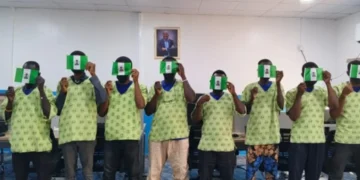
As part of measures to protect the project, the Minister of Works directed the engagement of 40 youths to monitor the highway corridor against vandalism and misuse.
Chairman of the House of Representatives Committee on Works, Akin Alabi, also defended the government’s response, urging journalists, content creators and social media users to verify information before attributing the flooding to the coastal highway.
He stressed the importance of relying on expert assessments when reporting on infrastructure and environmental issues.
Similarly, Senate Deputy Chief Whip Onyekachi Nwaebonyi said lawmakers were satisfied, based on briefings received during the inspection, that the coastal highway was not responsible for the flooding experienced in the affected areas.
He described flooding as a long-standing challenge in Lagos and called for stronger collaboration between the Federal Ministry of Works and the Lagos State Government to improve flood management.
Nwaebonyi also urged residents to avoid blocking drainage channels and waterways with waste, while encouraging environmental authorities to intensify efforts to keep drainage systems clear.
The inspection followed public concerns after heavy rainfall led to flooding in parts of Lagos, with some residents attributing the situation to ongoing construction work on the Lagos-Calabar Coastal Highway. Government officials have maintained that environmental factors, existing drainage deficiencies and urban development challenges remain the major contributors to flooding in the city.
SOURCE: NAN