

























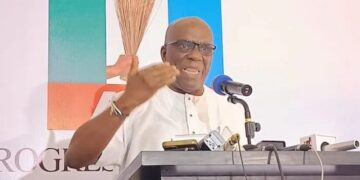






















































Senate Majority Leader Michael Opeyemi Bamidele has defended the use of the consensus option in Nigeria’s electoral process, insisting it does not allow candidates to be imposed on party members.
Speaking during the All Progressives Congress (APC) governorship primaries in Ekiti State, Bamidele said the provision in the Electoral Act ensures transparency and participation, even when a candidate emerges through consensus.
According to the lawmaker, any consensus arrangement must still go through a formal primary process at the ward level.
“Even if there is only one aspirant, there will still be primaries. Party members must go to their wards and openly endorse the candidate,” he said.
He stressed that a single objection from any aspirant is enough to cancel a consensus plan and trigger full direct primaries.
Bamidele explained that lawmakers removed the indirect primaries system to prevent a small group of delegates from deciding outcomes on behalf of the wider party membership.
“We didn’t think a few people should take decisions for everyone,” he said, adding that the current system gives more power to grassroots party members.
The senator pointed to his own re-election bid in Ekiti Central, saying no other aspirant had come forward to challenge him.
He said local stakeholders endorsed his candidacy voluntarily, without pressure or inducement.
“I didn’t lobby for it or discourage anyone. It was their decision,” he said.
Despite defending the process, Bamidele admitted that consensus arrangements have sparked controversy in some parts of Ekiti politics.
He noted that while consensus may work in some constituencies, others may require full primaries due to disagreements among party members.
Bamidele maintained that consensus is only a recommendation by party stakeholders, not a binding decision.
“If anyone disagrees, the law is clear, there must be primaries,” he said.
The comments come as the All Progressives Congress continues its internal selection process ahead of upcoming elections, with debates over fairness and internal democracy remaining a key issue.