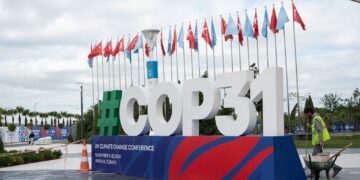








































































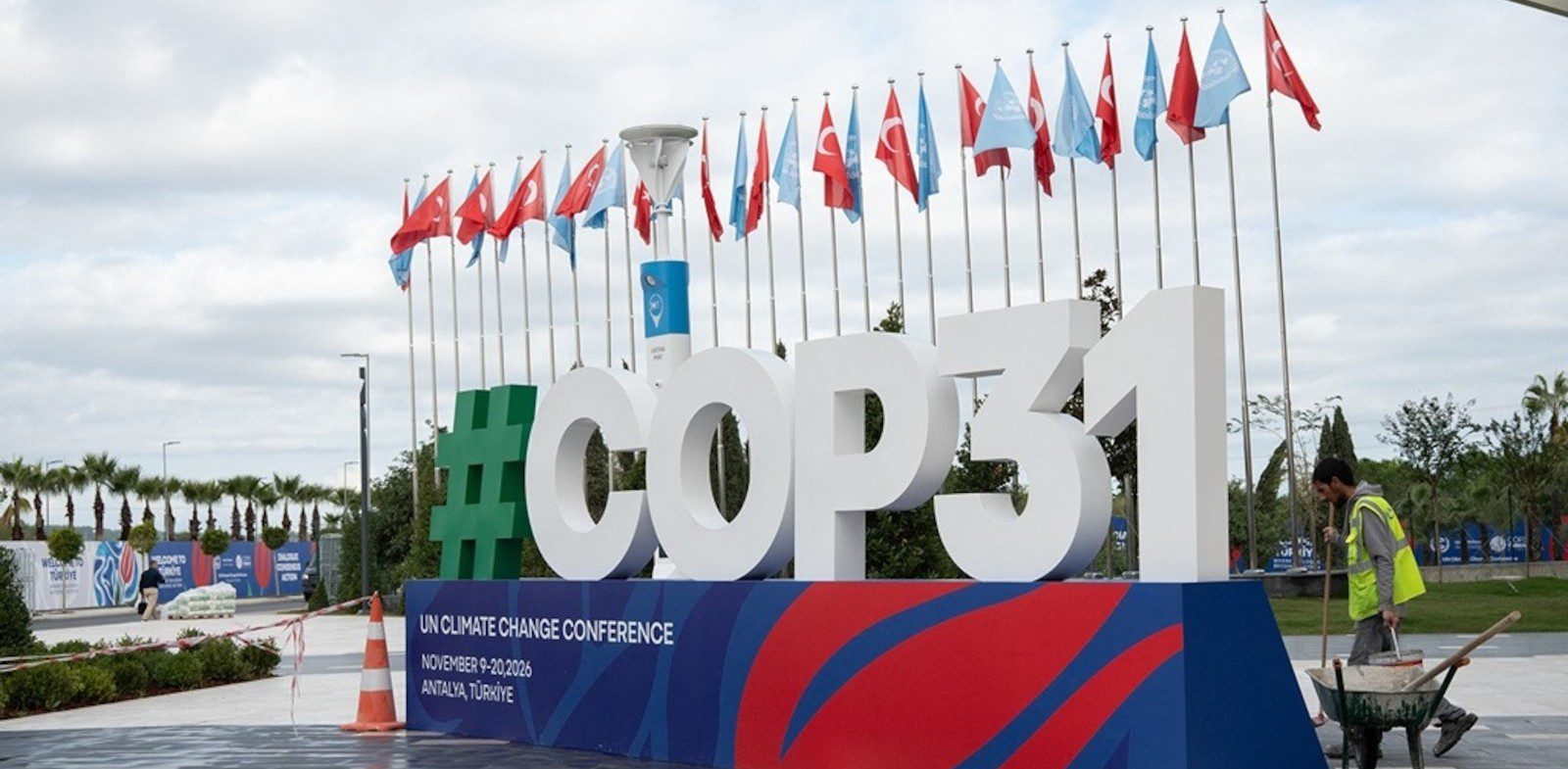
Negotiations at the COP31 climate summit have dragged beyond their scheduled closing date, with the European Union warning that countries must either reach a meaningful agreement or risk ending the conference without a deal.
Delegates from nearly 200 countries remain divided over fossil fuel commitments and financial support for vulnerable nations, prolonging the two-week conference that was expected to conclude on Friday.
The prolonged negotiations have raised concerns about a possible breakdown in consensus, which would mark a major setback for international climate diplomacy. The last significant failure at a UN climate summit occurred in Copenhagen in 2009, when countries could not reach consensus on the Copenhagen Accord.
As the talks continued on Saturday, conference facilities were being dismantled, with catering stands and exhibition areas closing while delegates moved between meeting rooms in search of a compromise. Some representatives were also waiting for a revised negotiating document that could help move discussions forward.
COP31 President Murat Kurum of Turkey held discussions with representatives of the EU, Australia and Saudi Arabia in an effort to resolve the impasse, while acknowledging the difficulty of securing an agreement.
He urged countries to avoid allowing disagreements over wording to derail the negotiations, warning that the process could still fail if delegations remained unwilling to compromise.
Fossil fuels and climate finance divide negotiators
The most contentious issues remain whether the final agreement should contain language on reducing or ending fossil fuel use and whether developed countries should provide additional funding to help vulnerable nations adapt to climate change.
A draft agreement released on Thursday removed previous references to ending fossil fuel consumption after opposition from Saudi Arabia and other major oil and gas-producing countries.
The document also excluded a proposed $120 billion financing target for climate adaptation in developing countries, further deepening disagreements among delegations.
Negotiators had anticipated receiving an updated draft on Friday, but by Saturday afternoon, no revised text had been circulated. The delay fuelled frustration and reduced expectations that substantial progress would be made.
Concerns over pressure tactics and weakened commitments
Although previous UN climate conferences have frequently continued beyond their scheduled deadlines before eventually reaching agreements, some delegates fear the prolonged negotiations could be used to pressure countries into accepting less ambitious commitments.
Gambia’s finance negotiator, Isatou Camara, expressed concern that delays could wear down delegations, leaving exhausted representatives more willing to accept compromises they would otherwise reject.
She warned that such tactics could undermine the quality of the final agreement by exploiting the pressure on participants to conclude negotiations and return home.
This year’s summit has also been overshadowed by conflicts and rising living costs, which have diverted political attention and public interest from climate action.
The United States, historically the world’s largest emitter of greenhouse gases, is absent from the conference for the second consecutive year following President Donald Trump’s withdrawal from climate cooperation. Trump has dismissed global warming as a hoax.
Climate targets increasingly out of reach
The negotiations are taking place against growing warnings that global efforts to limit warming are falling short.
A United Nations report released last month projected that the world was on course to exceed the 1.5-degree Celsius threshold above pre-industrial temperatures that countries agreed to try to avoid under the 2015 Paris Agreement.
The current draft agreement recognizes the likelihood of temperatures overshooting that limit and calls for accelerated deployment of technologies capable of removing greenhouse gases from the atmosphere to help reverse the excess warming.
However, some countries oppose references to carbon-removal technologies, arguing that they could be used to justify continued fossil fuel production rather than requiring emissions reductions.
Malawi’s loss and damage negotiator, Brenda Mwale, raised concerns over the volume of unresolved issues at the summit, questioning whether the conference had been guided by a clear vision and whether the difficulties reflected a broader lack of leadership in global climate negotiations.
With discussions still unresolved and no updated agreement available, delegates face mounting pressure to bridge their differences before the summit ends.