





























































The United Nations could face an unprecedented leadership gap at the end of the year, with less than two months remaining in Secretary-General António Guterres’ tenure and no successor agreed upon.
The UN Security Council is expected to conduct another secret ballot this week as efforts to select the next secretary-general remain deadlocked. After eight rounds of voting, the council’s five permanent members, each holding veto powers, have yet to reach a consensus.
Officials are now considering contingency arrangements in case Guterres leaves office on December 31 without a replacement ready to take over.
Analysts say the prolonged selection process reflects the difficulties created by a system built around confidential voting and lengthy negotiations. The same council took six rounds of voting to settle on Guterres in 2016.
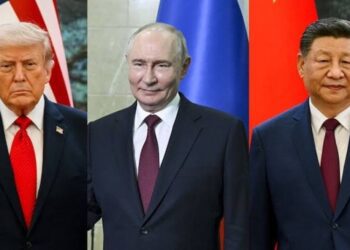
However, the current impasse also points to growing divisions among the major powers and a declining willingness to compromise. Observers say the situation has been compounded by a US administration that has increasingly reduced its engagement with the UN while dealing with other international priorities.
Shamala Kandiah Thompson, executive director of the Security Council monitoring organisation Security Council Report, said the late stage of the process could make it difficult for the incoming secretary-general to assemble a team and prepare for the transition. She noted that discussions had started early enough to avoid the current situation.
Grynspan leads field of contenders
Among those seeking the position are Rebeca Grynspan of Costa Rica, who has emerged as the leading candidate in the polls, and Lana Nusseibeh, a senior diplomat from the United Arab Emirates.
The candidates are largely experienced figures within the UN system, although some have limited international public recognition. Nusseibeh has also faced questions over allegations that the UAE supported the paramilitary Rapid Support Forces in Sudan’s civil war. The UAE has denied backing the group.
Whoever is appointed will take charge of an organization confronting several major challenges, including conflicts in which the UN has struggled to exert influence, reductions in US financial contributions and declining political relevance as Washington withdraws from dozens of UN agencies.
The next secretary-general will also face demands for reforms to make the organization more efficient, responsive and accountable.
Richard Gowan, a UN specialist at the International Crisis Group, said failing to appoint a successor before the end of the year would be a major embarrassment for the five permanent Security Council members. He added that it could strengthen arguments from other member states that the powers holding permanent seats no longer have the legitimacy to direct the organization.
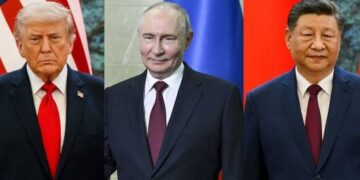
The permanent members, known as the P5, are Britain, China, France, Russia and the United States. They secured their positions as victors of the Second World War in 1945. The remaining 10 Security Council members are elected by regional groups for two-year terms.
The five permanent members have consistently resisted changes to the council’s structure, despite criticism from many UN countries that its composition no longer reflects the current balance of global power.
No clear procedure for a leadership vacancy
The UN Charter does not specify what should happen if a secretary-general leaves office before a successor is appointed. No previous secretary-general has completed a term without a replacement being ready.
A September briefing by the 1 for 8 Billion campaign, which advocates a more transparent appointment process, examined possible ways to manage such a situation. Options include the Security Council appointing an acting secretary-general or the General Assembly independently extending the incumbent’s tenure.
The briefing said each option would face procedural and political obstacles, but warned that allowing the organization to operate without a leader would be highly irresponsible.
A UN spokesperson declined to comment on the situation.
Secretive selection system under scrutiny
The appointment process has changed little over the years, relying heavily on private negotiations and confidential ballots.
Candidates typically spend months seeking support from Security Council members before taking part in a series of informal votes known as straw polls. During these ballots, council members indicate whether they wish to encourage or discourage a candidate, or have no opinion.
Although the results are not officially published, details often emerge soon after the voting. In some rounds, the ballots are colour-coded to distinguish the five permanent members from the other 10 countries, making it easier to identify the positions of the powers with veto rights.
Once a candidate gains sufficient support, the Security Council votes on a resolution recommending that person to the 193-member General Assembly.
The recommendation requires at least nine votes from the 15 council members and must not face a veto from any of the five permanent members. The General Assembly then formally appoints the secretary-general. It has never rejected a candidate recommended by the council.
The process provides little public information about individual countries’ voting decisions or the reasons behind the timing and format of the ballots.
Gowan questioned whether such a system was appropriate for selecting the world’s chief diplomat. However, he suggested that the complicated negotiations may help produce a candidate acceptable to the major powers, whose cooperation is important to the secretary-general’s ability to operate.
Guterres has faced criticism over his relationships with Washington and Moscow, with observers questioning the influence he has been able to exercise over both governments.
Questions over what happens after December 31
Russia is among the few countries to have publicly raised the possibility of a leadership gap.
Kirill Logvinov, a senior Russian Foreign Ministry official, told the state news agency TASS last week that it remained unclear what arrangements would apply after December 31. He identified a temporary extension of Guterres’ tenure or the appointment of another official as possible options.
Daniel Safran-Hon, a former UN official, warned that the organization could enter the new year without anyone formally occupying the secretary-general’s office if no agreement is reached.
He said the UN’s routine operations would not immediately stop. The Security Council and General Assembly could continue holding meetings, and the organization’s basic activities would carry on.
However, the absence of a secretary-general could create serious limitations, particularly over major administrative decisions. Safran-Hon compared the situation to a large ship whose captain has died: the first officer could maintain many operations, but would not necessarily have the authority to carry out critical responsibilities.
These could include making senior appointments and managing the organization’s budget, leaving the UN with significant constraints at a time when it faces mounting diplomatic and financial challenges.