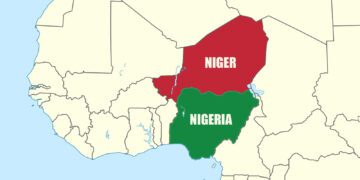







































































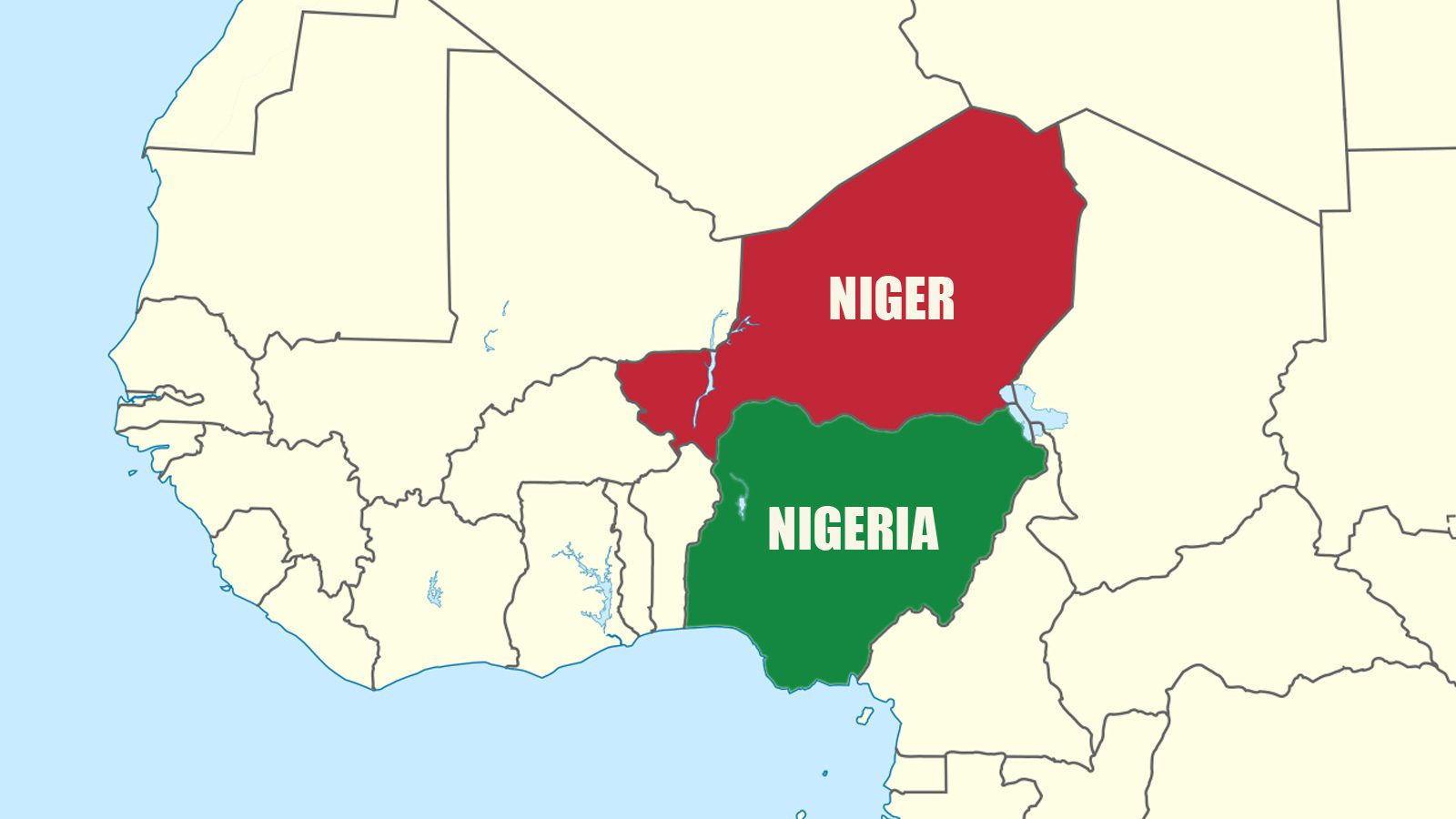
Nearly 64,000 people have crossed from northern Nigeria into neighbouring Niger since the beginning of the year to escape attacks by Islamist militants and armed criminal groups, adding pressure to an already strained humanitarian situation.
The United Nations High Commissioner for Refugees (UNHCR) said the influx was placing further demands on Niger, one of the world’s poorest countries, which is already sheltering more than 500,000 refugees and asylum-seekers.
About 327,500 of those currently hosted by Niger are Nigerians. Several hundred other Nigerians have also crossed into Benin in search of safety.
Most of the new arrivals have settled in Niger’s border regions of Diffa and Tahoua. More than 23,000 people have reached Diffa alone this year, with children accounting for over two-thirds of the arrivals, according to UNHCR.
The agency warned that many displaced families were struggling to meet basic needs, including access to food, safe drinking water, shelter and essential services.
UNHCR spokesperson Dominique Hyde said thousands of new refugees, particularly children, were facing increasingly difficult conditions as humanitarian resources fell short of growing demands.
Many families are living in makeshift shelters, while women reportedly have to travel several kilometres daily to collect water.
The growing movement of people highlights the wider consequences of prolonged insecurity in northern Nigeria, where attacks by Boko Haram, Islamic State West Africa Province (ISWAP) fighters and armed criminal gangs have displaced millions over the past decade.
Humanitarian organizations have raised concerns about worsening conditions among the new arrivals, reporting increased cases of malnutrition, respiratory infections and illnesses linked to poor sanitation.
Protection risks are also mounting. UNHCR estimates that only about five per cent of refugees who entered Niger this year have been formally registered. The lack of documentation leaves many unable to access humanitarian assistance and public services.
Hyde said insecurity, alongside climate-related pressures, was making the situation more difficult. More than 70 per cent of security incidents reported in Niger this year occurred in the Diffa region, she added.
UNHCR is appealing for $11.4 million to strengthen its humanitarian response across Niger, Nigeria and Benin. The agency warned that without additional funding, thousands of displaced families could be left without essential support.
Niger’s growing refugee population and limited resources have made it increasingly difficult to respond to the needs of people fleeing violence, particularly as insecurity continues to drive new arrivals across its borders.