

















































































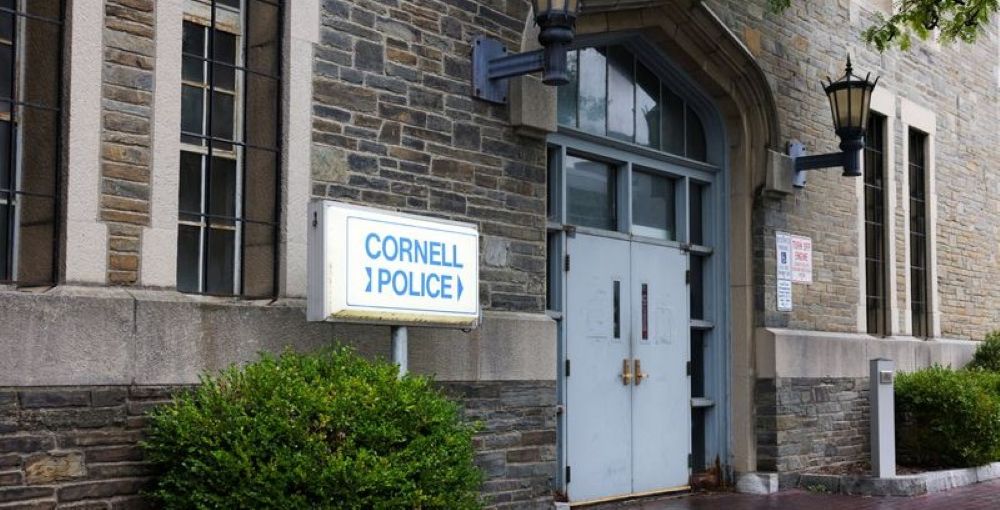
Women across the United States, including survivors of sexual assault, are using the hashtag #IamJaneDoe on social media to show solidarity with a Cornell University student who has accused seven fraternity members of raping her in 2024.
The woman, who was 20 when the alleged assault occurred, is suing the seven men, Cornell University and others over the incident. She is using the pseudonym Jane Doe in the lawsuit, a practice permitted under New York law in sexual assault cases.
The case has attracted national attention, while efforts by some online commentators to identify and publish the woman’s name have triggered a backlash from supporters and sexual assault survivors.
Her lawyer, Thomas Giuffra, said the woman has been distressed by the online efforts and by instances in which other women have been wrongly identified as his client.
“She’s not doing well,” Giuffra told CNN. “She’s under siege on social media.”
The lawsuit, filed on September 16, prompted prosecutors to reopen a criminal investigation that had previously ended without charges. New York Governor Kathy Hochul has since appointed the state’s attorney general as special prosecutor and criticized the handling of the original investigation, saying authorities had not fully examined the allegations.
The accused men have denied wrongdoing, while Cornell has defended its handling of the case.
Online Efforts to Identify Victim Draw Backlash
The campaign supporting Jane Doe intensified after independent journalist and commentator Michael Tracey publicly questioned the decision to keep the victim’s identity private.
Tracey has expressed sympathy for the accused men over what he described as harassment they have faced since the allegations emerged. He has also questioned accounts from survivors of convicted sex offender Jeffrey Epstein.
Tracey has described his attempts to identify the Cornell student as an exercise in journalism and argued that they are protected by constitutional free-speech rights.
On Monday, he posted on social media challenging others to identify the woman so that her credibility and the claims made in her lawsuit could be assessed.
Early Friday, Tracey posted what he believed was the woman’s name but quickly deleted it, saying he had made his point. He later urged his followers not to harass the woman, her family or anyone associated with her.
Reuters was unable to independently verify the identity he posted.
Giuffra said the attempts to identify his client have added to the pressure she is already facing.
“She’s gone through a lot,” he said, adding that several women had also been wrongly identified online as the accuser.
Women Say They Are Jane Doe
In response, women have flooded social media with posts declaring themselves to be Jane Doe, making clear that they are not claiming to be the Cornell accuser but are using the pseudonym to stand with her.
Twanna LaTrice Hill, a 62-year-old writer and actor from Denver, said she joined the campaign because she wanted the Cornell student to have control over when and whether she identifies herself publicly.
“I want us to support Jane Doe in coming to her own way of identifying herself in her own time,” Hill said.
Hill has previously spoken publicly about being raped as a teenager in 1990 by a youth minister who had counselled her. She said her decision to participate in the campaign was not intended to pressure other survivors into going public.
Instead, she said she hoped that more survivors speaking about their experiences could help reduce the stigma surrounding sexual violence.
Amee Vanderpool, who publishes an online newsletter, also posted that she was Jane Doe in response to efforts to uncover the Cornell student’s identity.
Katy Jacobson, a 35-year-old San Diego woman who works with children with disabilities, said the campaign could help survivors feel less isolated.
Jacobson said she was raped by a former boyfriend while she was in college and credited the support she received on campus with helping her through the experience.
“Because oftentimes you feel like you’re on an island,” she said.
Jacobson said her social media posts were focused on supporting the Cornell accuser rather than the men accused of assault.
“I’m not posting about the men. I’m posting about Jane Doe,” she said.
Sexual Assault Remains Widespread in U.S
The campaign comes as sexual violence remains a significant issue in the United States.
The latest figures from the US Centers for Disease Control and Prevention show that about 21% of women in the country report having experienced completed or attempted rape.
At Cornell, a university survey conducted in 2025 found that 35% of undergraduate women reported experiencing nonconsensual sexual contact involving force or incapacitation since arriving at the university. The figure was up from 20% in a similar 2021 survey.
The findings have added to scrutiny of the university’s campus culture and its handling of sexual misconduct allegations.
For survivors participating in the #IamJaneDoe campaign, however, the focus remains on allowing the Cornell student to decide for herself whether and when her identity should become public.
Jacobson has used her posts to share information about organizations that provide support to sexual assault survivors, including the National Sexual Assault Hotline.
“Even today, if you looked at my story, it has resources,” she said.
SOURCE: Reuters