

















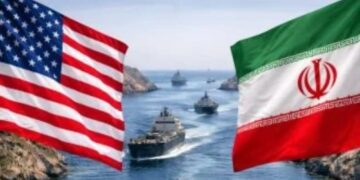


















































Iran has proposed a seven-day roadmap to reopen the Strait of Hormuz and restart negotiations over its nuclear programme if the United States lifts its naval blockade of Iranian ports, eases sanctions on oil exports and observes a ceasefire covering the wider region, including Lebanon.
Foreign Minister Abbas Araghchi outlined the proposal during a private meeting on the sidelines of the United Nations General Assembly in New York on Thursday, according to an attendee familiar with the discussion. The plan was subsequently conveyed to Washington through mediators.
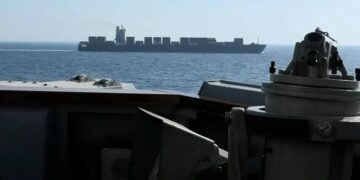
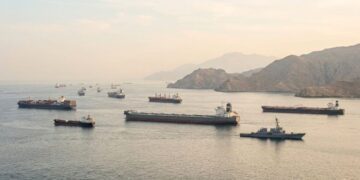
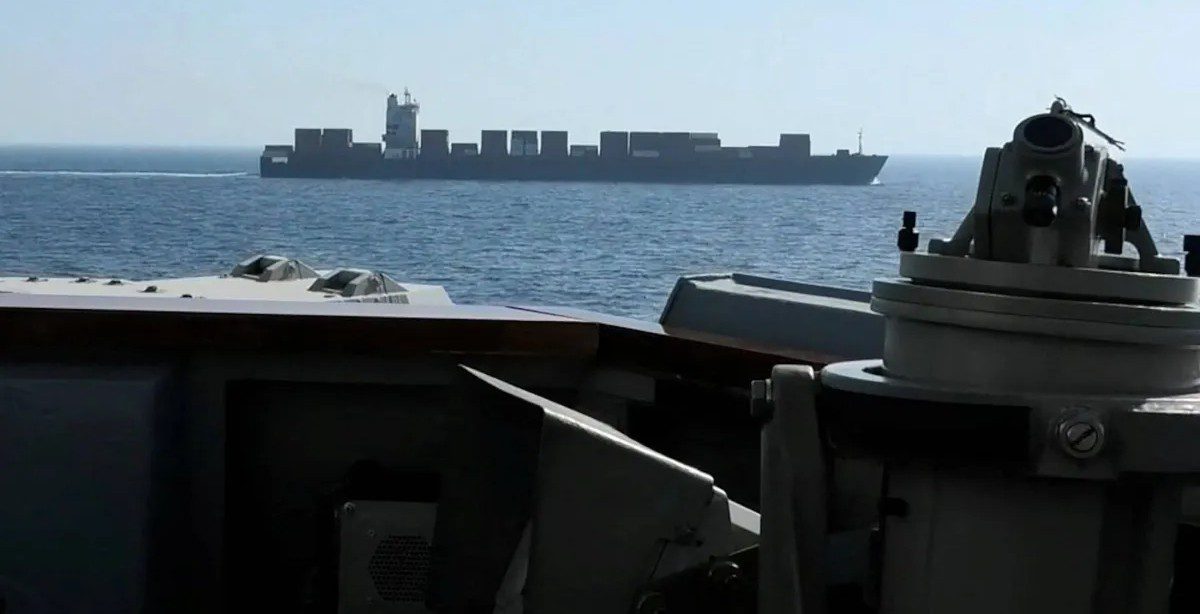
The proposal comes as the Strait of Hormuz remains a major source of leverage for Tehran and a critical concern for global energy markets. The waterway handled about one-fifth of global oil and liquefied natural gas shipments before the conflict, making prolonged disruption a major threat to energy supplies and prices.
Iran Seeks Rapid Implementation
The proposed arrangement bears similarities to a preliminary understanding reached between Iran and the United States in June, but Tehran is now calling for a much faster timetable.
The earlier framework envisioned a 60-day period for negotiations and measures to stabilise the situation. That process later broke down as fighting resumed and shipping through the strait came under renewed pressure.
Trita Parsi, executive vice president of the Quincy Institute, said Araghchi presented a rapid agreement as potentially beneficial to both sides, including by easing economic pressure on Iran and reducing energy-market pressures ahead of the U.S. midterm elections.
But Parsi also pointed to deep mistrust in Washington over whether Tehran’s proposal is intended to produce a lasting settlement or simply give Iran time to restore oil exports and relieve pressure on its economy.
Diplomacy Gains Momentum at UN
The proposal emerged as diplomatic contacts between Tehran and Washington intensified around the U.N. General Assembly.
Iranian President Masoud Pezeshkian has signalled that Tehran remains open to diplomacy, while Qatar has continued to play a central role in passing messages between the two sides. Pezeshkian also met Qatar’s prime minister as efforts to revive negotiations gathered pace.
U.S. Secretary of State Marco Rubio has likewise indicated that Washington remains prepared to exchange messages with Tehran, although the two sides continue to disagree sharply over the terms of any agreement.
Years of confrontation and repeated breakdowns in negotiations have left both governments deeply suspicious of the other’s intentions.
Yemen Complicates the Proposal
A major question is whether the proposed ceasefire would cover the renewed conflict in Yemen.
Iran has linked the reopening of Hormuz to a broader regional cessation of hostilities, including Lebanon, where Israel and Iran-backed Hezbollah have largely maintained a ceasefire. The situation in Yemen, however, has become increasingly volatile as fighting involving Saudi Arabia and Iran-backed Houthi forces has intensified.
The Houthis’ ability to threaten shipping around the Bab el-Mandeb Strait has added another layer of pressure to an already fragile global energy system.
Iranian military adviser Maj. Gen. Yahya Rahim Safavi has highlighted the strategic importance of the Red Sea chokepoint, arguing that growing pressure around Bab el-Mandeb could increase Washington’s incentive to negotiate.
Saudi Arabia, however, has reportedly grown more cautious about Tehran’s latest diplomatic initiative as the conflict in Yemen has intensified.
Gulf States Reassess Their Position
Saudi Arabia and other Gulf countries had previously pushed for renewed negotiations between Washington and Tehran and were reportedly open to arrangements that could give Iran a temporary role in managing traffic through Hormuz.
That position has become more complicated amid the escalation in Yemen and attacks affecting Saudi interests.
Earlier discussions involving Iran and Oman over arrangements for managing traffic through the Strait of Hormuz also faced delays and disagreements among Gulf states. Iran and Oman have separately discussed mechanisms for managing shipping through the waterway, but Tehran has maintained that a full reopening depends on U.S. commitments.
Divisions Emerge Within Iran
The diplomatic push has also exposed differences within Iran’s political establishment.
While Pezeshkian and Araghchi have pursued renewed engagement with Washington, some hard-line figures have argued that Tehran should maintain or intensify military pressure until the United States offers greater concessions.
Critics have questioned the value of direct engagement with Washington, while Iran’s Assembly of Experts has continued to emphasize resistance.
Parliament Speaker Mohammad Bagher Qalibaf, a former chief negotiator with the United States, has acknowledged the divide, warning against both an approach centered solely on war and one that underestimates Iran’s ability to withstand pressure.
The competing positions reflect the central dilemma facing Tehran: whether diplomacy can deliver meaningful economic and security concessions, or whether continued military pressure is needed to strengthen Iran’s bargaining position.
For now, the seven-day proposal represents the clearest new diplomatic opening around Hormuz, but significant disagreements remain over sanctions, the blockade, regional ceasefires and Iran’s nuclear programme.