






















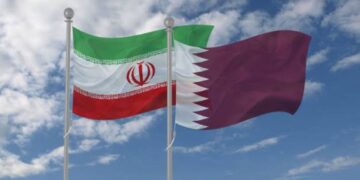






































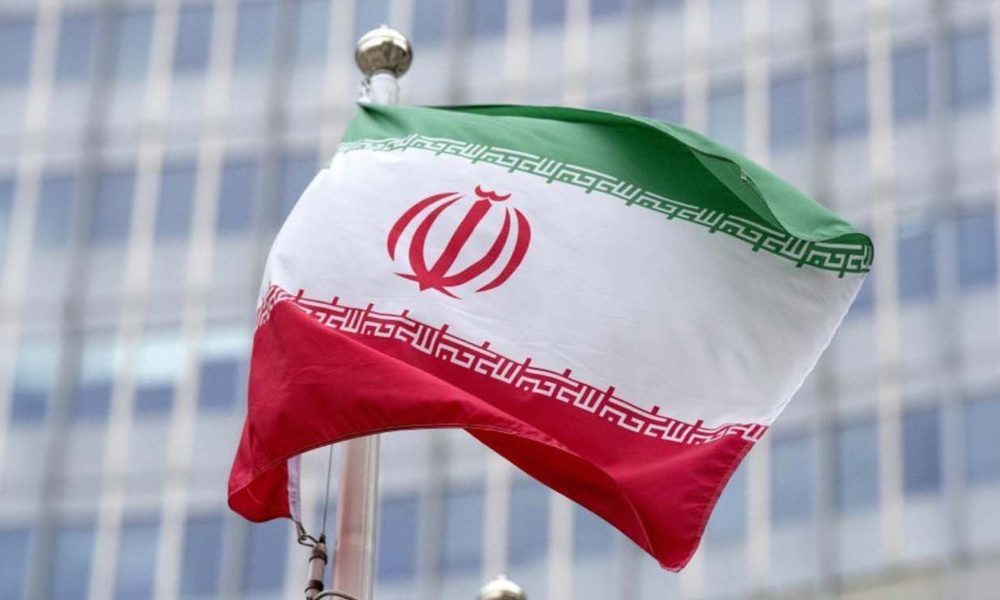
Iran has warned that it will push back against a new round of US sanctions designed to tighten pressure on its economy, while Tehran says Washington may still be looking for a way back to the negotiating table.
The latest developments come as the conflict between Iran and the United States enters its sixth month, with economic restrictions, attacks on shipping and diplomatic efforts all unfolding at the same time.
US Treasury Secretary Scott Bessent announced new measures on Monday targeting Iran’s financial and trading networks. Washington stopped short of imposing some of the harshest measures it had threatened, but warned countries and companies that continue doing business with Tehran that they could eventually lose access to the US dollar-based financial system.
Bessent said affected countries would be given time to comply, without specifying which governments could face penalties or when enforcement would begin.
Iranian officials, however, have signalled that the sanctions will not force Tehran into submission.
Economy Minister Ali Madanizadeh said Iran was prepared to respond to the new pressure.
“The enemies should wait for an attack,” he told Iranian state television.
He also said China and Russia had not accepted the US measures and predicted that other countries would resist Washington’s attempt to isolate Iran economically.
Despite the increasingly tough economic pressure, Iranian officials say Washington may be interested in restarting diplomatic negotiations.
Abbas Golroo, head of the Iranian parliament’s foreign relations committee, said Pakistan’s army chief, General Asim Munir, delivered a message from the United States during a visit to Tehran on Monday.
Golroo said the message appeared to be aimed at restarting the political process that broke down during the conflict.
There was no immediate public response from the White House or US State Department.
A Pakistani government source also said Iran had shown a general willingness to resume peace talks during discussions with Pakistani officials.
According to the source, Pakistan told Iranian officials that Washington could reverse the latest sanctions either before or during a new round of negotiations.
The possibility of renewed talks comes as both sides face growing pressure to find a way out of the conflict.
The US Treasury announced sanctions against 60 individuals, companies and vessels as part of the latest pressure campaign.
Notably, the measures did not include Chinese financial institutions that Washington has accused of helping facilitate Iran’s oil exports.
China has remained Iran’s biggest oil customer for years, although US restrictions on Iranian ports have sharply reduced shipments to China since Washington renewed its blockade in July.
Beijing pushed back against the US pressure on Tuesday, saying its cooperation with Iran is conducted in accordance with international law and should not be disrupted by other countries.
The issue could become increasingly sensitive as Washington prepares for a possible meeting between President Donald Trump and Chinese President Xi Jinping next month.
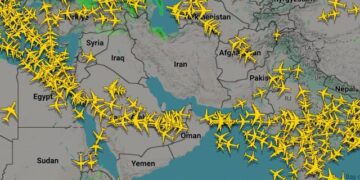
The economic confrontation is unfolding alongside continued risks to shipping in the Gulf.
An oil tanker was hit by an unidentified projectile on Tuesday and disabled about 17 kilometres northeast of Oman’s Ash Shishah, near the entrance to the Strait of Hormuz, according to the United Kingdom Maritime Trade Operations.
The incident came as Oman’s foreign minister travelled to Iran for discussions on the future of the strategic waterway.
The Strait of Hormuz remains a major pressure point because it handles a large share of global oil shipments. Provisional data from ship-tracking company Vortexa showed that only about five million barrels of oil per day passed through the strait on Monday, compared with more than 20 million barrels a day before the conflict.
The dramatic fall in traffic has raised concerns over energy supplies and the wider economic consequences of the conflict.
Oil prices nevertheless fell for a second consecutive day as traders assessed the immediate impact of the new sanctions.
Pakistan has emerged as one of the key intermediaries between Tehran and Washington.
Pakistani officials said the latest discussions in Tehran made “significant progress” towards reducing tensions and finding a way to reopen the Strait of Hormuz.
Interior Minister Mohsin Naqvi, who travelled to Iran alongside Munir, described the talks as constructive.
An official in the Iranian president’s office, Mehdi Tabatabaei, also said the visit produced important diplomatic developments, promising that the results would become clearer soon.
The renewed mediation effort comes as Washington faces growing domestic pressure over the conflict. A recent Reuters/Ipsos poll showed US public approval of the war had fallen to its lowest level since the early stages of the fighting, while Trump’s overall popularity was also at a record low ahead of November’s congressional elections.
There have been no major direct US-Iranian strikes for several weeks, but the conflict remains far from resolved.
Iran’s Revolutionary Guards have continued threatening attacks on US interests and critical energy routes if Iranian infrastructure comes under further attack.
The two countries reached an interim agreement in June aimed at ending the war that began with US and Israeli attacks on Iran in February, but the arrangement quickly collapsed. Iran subsequently resumed attacks on shipping, contributing to the disruption of energy exports from the Gulf.
Thousands of people have been killed during the conflict, particularly in Iran and Lebanon. Iran’s conventional military capabilities have suffered significant damage, while its economy remains under severe strain.
Yet Tehran retains the ability to threaten Gulf shipping and neighbouring states.
The condition of Iran’s nuclear programme also remains uncertain, despite US and Israeli efforts to destroy it.
For now, Iran is balancing two very different messages: a willingness to explore diplomacy through intermediaries such as Pakistan, and a firm warning that it will retaliate against further military or economic pressure.
That tension could determine whether the latest mediation efforts lead to negotiations or another escalation in the Gulf.