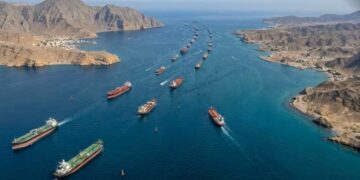





















































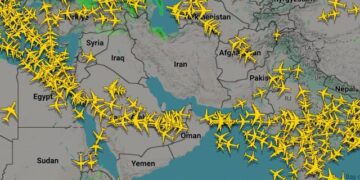





















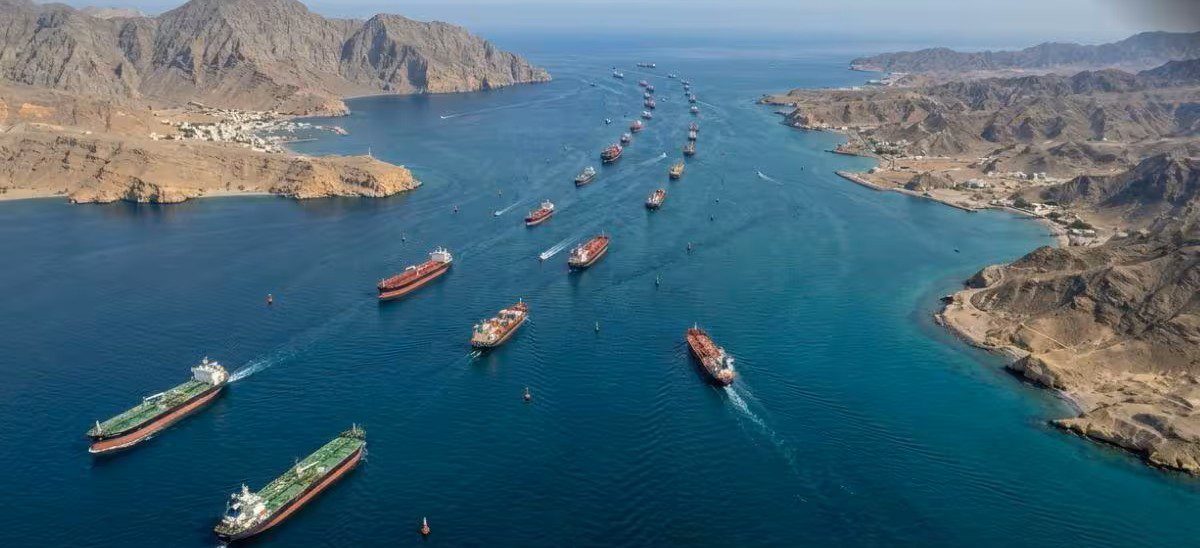
Shipping activity through the Strait of Hormuz remained below normal levels on Wednesday as uncertainty over the status of the strategic waterway continued to discourage shipowners from sending vessels through the route.
Data from ship-tracking firm Kpler showed that only six commodity vessels had crossed the strait by 2:58 a.m. GMT on Tuesday. That was down from nine vessels recorded the previous day and well below the 10-day average of 11 crossings per day.
Among the vessels entering the waterway was an empty very large crude carrier that travelled along the Omani side of the strait. Two other tankers, including a medium-range tanker and an intermediate tanker, were also recorded entering.
Three vessels were tracked leaving the strait: two medium-range fuel tankers and a post-Panamax vessel.
Conflicting claims over Hormuz
The subdued traffic comes amid conflicting statements from Washington and Tehran over whether the waterway is open.
US President Donald Trump said on Tuesday that Hormuz was open and operating, while also maintaining that there were no talks currently taking place with Iran.
Iran, however, has continued to insist that the strait remains closed to shipping until Washington meets conditions linked to an interim agreement reached in June.
The conflicting positions have left shipping companies facing uncertainty over whether vessels can safely and reliably transit the waterway.
Before the war, the Strait of Hormuz carried roughly one-fifth of global crude oil and liquefied natural gas shipments, making any sustained disruption a major concern for energy markets and countries that depend heavily on Gulf supplies.
Asian buyers feel the impact
The disruption has also affected the movement of Middle Eastern oil to Asia.
Two major Chinese shipping companies that previously transported about half of China’s Middle Eastern oil imports have kept their tankers away from both the Strait of Hormuz and the Bab el-Mandeb since late July, according to tanker-tracking data from Vortexa and information from a shipbroker.
The development highlights the wider impact of the conflict on global shipping, with vessels increasingly avoiding strategic waterways viewed as vulnerable to attack.
Traffic through the Bab el-Mandeb Strait has shown a different pattern. Kpler recorded 30 commodity-vessel crossings over the weekend, compared with 19 during the previous week.
The increase came despite a naval blockade declared by Yemen’s Iran-backed Houthi movement against Saudi Arabia on July 20.
However, no Saudi oil shipments were tracked through the route during the period covered by the latest data, underscoring the continuing disruption to regional energy flows.
For oil importers, traders and shipping companies, the uncertainty surrounding Hormuz remains a major concern, particularly as vessels continue to avoid the waterway despite Washington’s assertion that it is open.