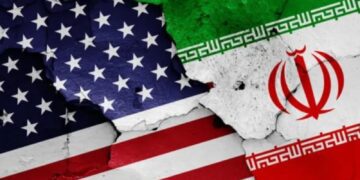










































































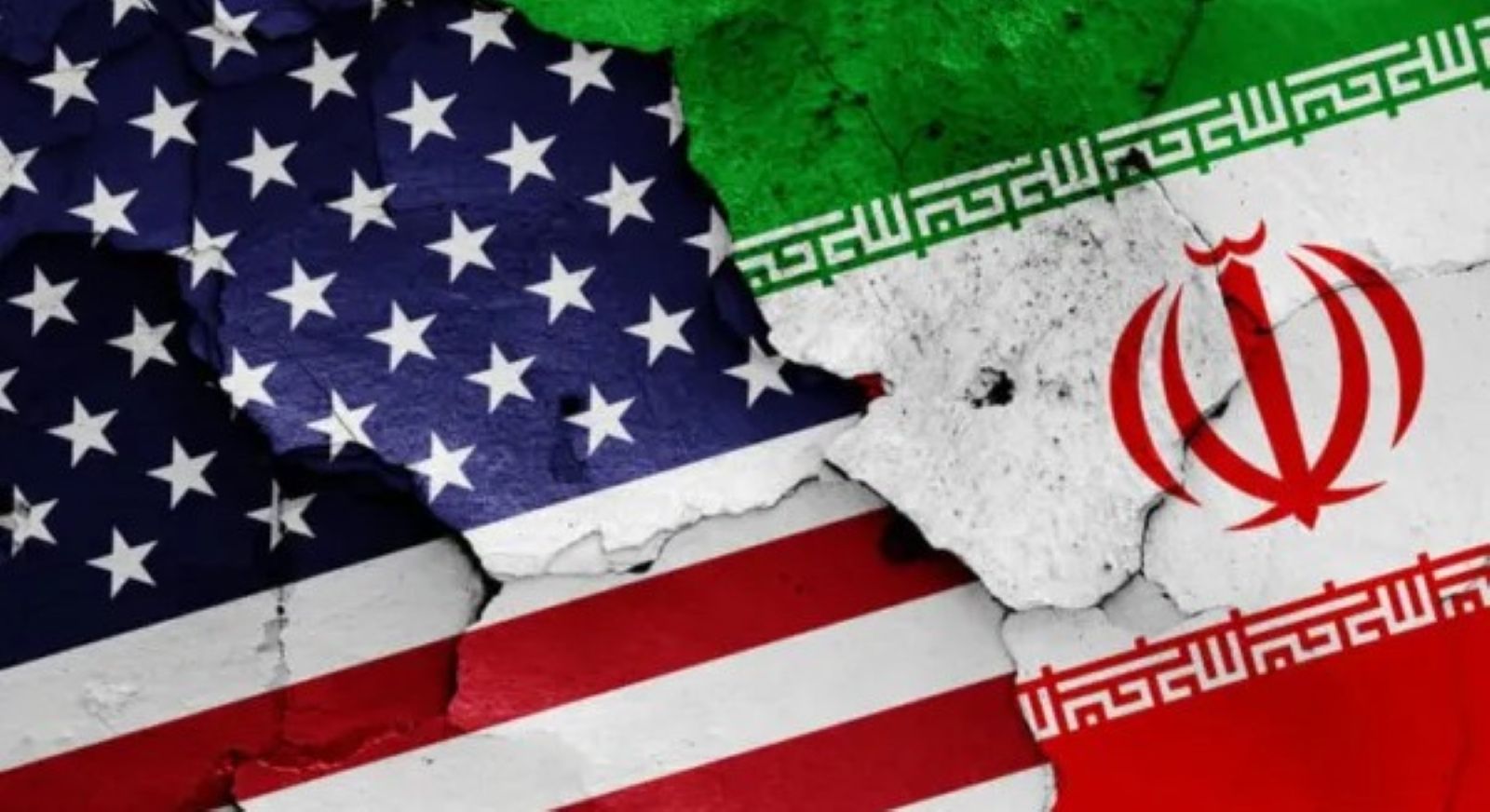
US President Donald Trump says Washington is not holding or planning any talks with Iran, contradicting recent suggestions from his own administration that diplomatic contacts with Tehran were continuing.
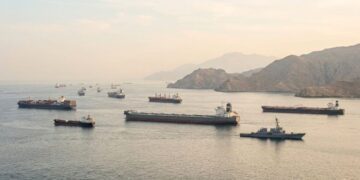
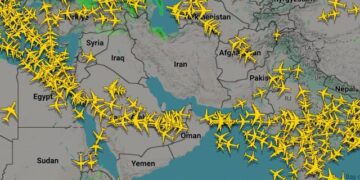
Trump made the statement on Tuesday as tensions remained high over the Strait of Hormuz, a crucial shipping route whose status has become a major point of disagreement between the two countries.
In a post on Truth Social, Trump said there were no discussions or meetings with Iran either underway or scheduled. He also said the US naval blockade of Iran remained in place while claiming that the Strait of Hormuz was open and that mines in the waterway had been cleared or destroyed.
Iran disputes that position.
Iranian parliamentary speaker and senior negotiator Mohammad Baqer Qalibaf said the Strait would remain closed until Washington fulfilled conditions contained in an interim agreement reached in June.
Among Tehran’s demands are the removal of the US blockade on Iranian ports, an end to oil sanctions, the release of Iranian assets frozen abroad and a halt to US military threats and operations, Qalibaf told parliament.
Conflicting signals over diplomacy
Trump’s comments came just a day after his son-in-law and special envoy, Jared Kushner, gave a more positive assessment of the state of US-Iranian contacts.
Speaking to Fox News on Monday, Kushner said conversations involving US officials and different parts of the Iranian government were taking place at a level he described as unusually extensive.
He declined to provide details but suggested that diplomatic engagement remained active.
The contrasting statements have added to uncertainty over whether the two sides are moving towards a new agreement or heading for a further escalation.
Efforts to revive negotiations and restore normal tanker traffic through Hormuz have stalled, raising concerns that the conflict between the US, Israel and Iran could continue.
The war began with US and Israeli strikes on Iran on February 28 and has since disrupted energy supplies and shipping through one of the world’s most important oil transit routes.
A senior Iranian official told Reuters on Monday that Tehran was preparing to adopt a more aggressive military posture after efforts to negotiate a permanent end to the conflict failed to make progress.
Trump also said on Monday that Washington was not seeking to extend the interim agreement reached in June, further casting doubt on the prospects for an immediate diplomatic breakthrough.
For now, the two governments remain sharply divided over both the status of Hormuz and the conditions required to bring the conflict to an end.