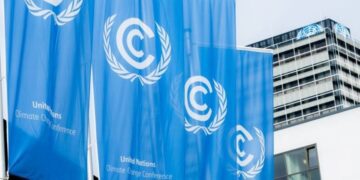























































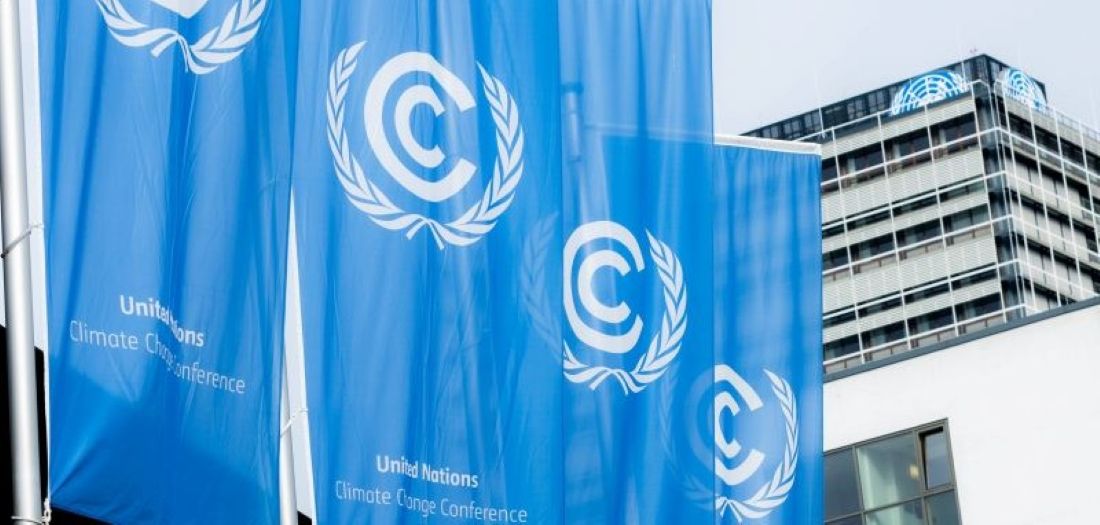
World leaders have presented sharply different positions on climate action at COP31 in Turkey, exposing deep divisions that negotiators must overcome to reach an agreement acceptable to participating countries.
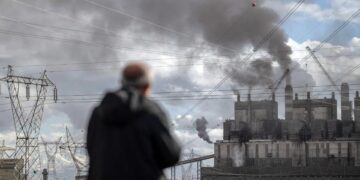
The two days of high-level speeches ended with urgent calls from vulnerable island nations for faster reductions in greenhouse gas emissions, demands from developing countries for increased financial support, and renewed arguments from fossil fuel producers for continued reliance on oil, gas and coal.
European leaders, meanwhile, backed a proposal to accelerate the global shift towards electricity, while countries facing rising sea levels warned that delays in cutting emissions could threaten their survival.
Venezuela’s acting President, Delcy Rodriguez, defended the continued development of the country’s oil industry, describing it as essential to national economic growth. Her position contrasted with calls from United Nations officials for a move away from fossil fuels.
The competing demands leave Turkey, which is hosting the conference, and Australia, which is leading the negotiations, with the difficult task of finding common ground. Their efforts are also taking place against a backdrop of international conflicts and rising living costs, which have pushed climate action down the political agenda in many countries.
Australia’s negotiations president, Chris Bowen, said his responsibility was to build agreement among countries rather than impose specific demands. He indicated that extensive consultations with participating nations would be needed before the conference could produce an outcome.
Climate campaigners have warned that political and economic pressures should not be allowed to delay action on global warming.
A United Nations report released last month indicated that the world was already on course to exceed the 1.5 degrees Celsius warming threshold that countries committed to pursuing under the 2015 Paris Agreement. The limit is intended to help prevent the most severe consequences of climate change.
Swedish climate activist Greta Thunberg criticized the international response, arguing that the crisis was being worsened by those expected to provide solutions. She warned that vulnerable communities could not rely on others to protect them from the consequences of global warming.
Island nations demand urgent emissions cuts
Leaders from several small island states, including the Bahamas, Tuvalu, the Solomon Islands and Saint Lucia, called for stronger commitments from major polluting countries.
Saint Lucia’s Prime Minister, Philip J. Pierre, urged large emitters to move beyond repeated promises and make the emissions reductions required to address the climate crisis.
The appeal reflects the particular risks facing island nations, where rising sea levels and increasingly severe climate impacts threaten homes, infrastructure and livelihoods.
British Prime Minister Andy Burnham supported a proposal put forward by Turkey to increase electricity’s share of global energy consumption to 35 per cent by 2035, compared with slightly more than one-fifth at present.
However, Turkey has not clarified whether the additional electricity would have to come from renewable sources.
Burnham argued that recent disruptions to energy supplies caused by the US-Israeli conflict with Iran and Russia’s war in Ukraine had demonstrated the dangers of depending on energy sources controlled by other countries.
He maintained that expanding clean energy would strengthen national energy security and reduce exposure to unpredictable international prices.
Developing nations used the summit to renew longstanding demands for wealthier countries to provide more funding. They say additional financial support is necessary to help them transition to cleaner energy, adapt to rising temperatures and recover from damage caused by climate-related disasters.
Fernanda de Carvalho, head of climate policy at the World Wide Fund for Nature, expressed disappointment with the speeches, particularly because COP31 is taking place after scientists warned that the world is likely to breach the 1.5C threshold.
He also raised concerns that climate change was not receiving the level of attention it required from political leaders.
The divisions emerging from the opening speeches underline the challenge facing negotiators as they seek commitments on emissions, energy policy and climate finance. Whether countries can bridge those differences will be central to determining the outcome of the conference.