











































































Four rare works attributed to the celebrated Renaissance painter Antonello da Messina have been stolen from a museum in Messina, Sicily, in a major art theft that has shocked the Italian cultural community.
The paintings were taken from the Regional Museum of Messina, known as MuMe, on Saturday, August 15, as Italy observed the Ferragosto public holiday. The theft coincided with the city’s famous La Vara religious festival, which drew large crowds and attention across Messina.
According to reports, the thieves managed to bypass the museum’s security systems before breaking into a protected display and removing the paintings.
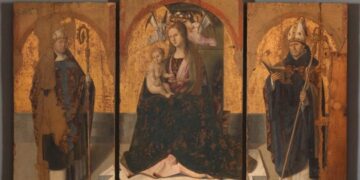
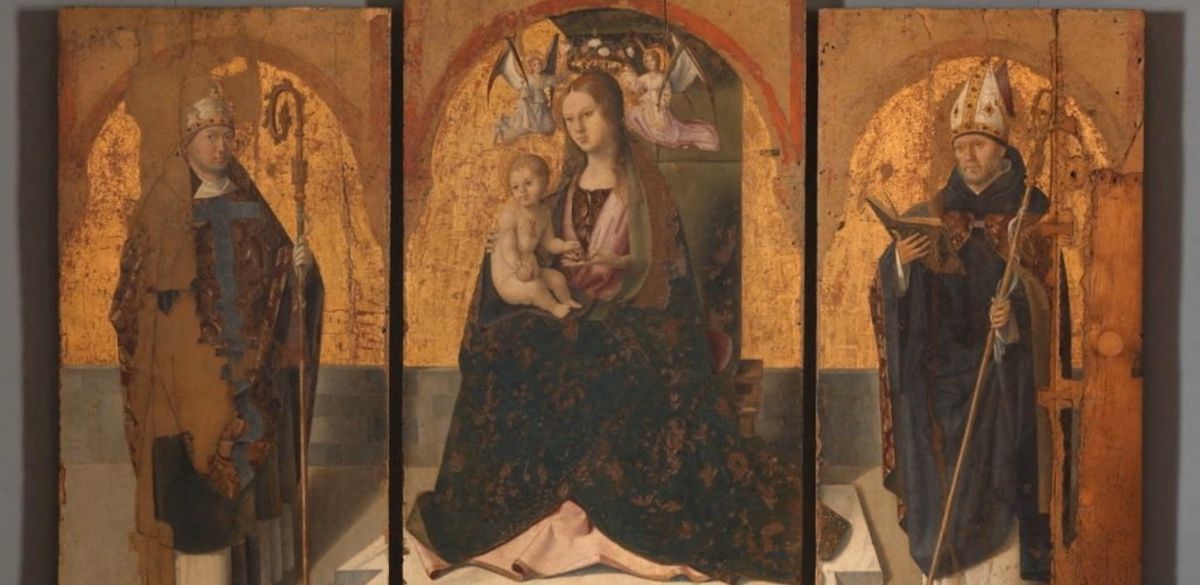
The most significant loss involves three panels from Antonello’s Polittico di San Gregorio, one of the artist’s most important surviving works.
The altarpiece was originally made up of six panels for the Monastery of San Gregorio. Much of the monastery was destroyed in the devastating 1908 Messina earthquake. Five panels are believed to have survived, meaning the theft has removed three of the remaining pieces from the museum’s collection.
A fourth stolen work is a smaller, double-sided painting depicting the Virgin and Child with a Franciscan monk on one side and Christ on the other.
The painting was previously part of the Wilhelm Soldan collection before being sold by Christie’s to the Sicilian regional government in 2003. It was attributed to Antonello that same year.
The scale of the theft is particularly significant because Antonello da Messina is regarded as one of the most important Italian painters of the 15th century. Born around 1430, he trained in Naples and was strongly influenced by Provençal and Flemish painting traditions.
His works are known for their detailed treatment of human emotion, light and realism, making authenticated paintings by the artist exceptionally rare and valuable.
The latest theft comes just months after the Italian government spent $14.9 million at a New York Sotheby’s auction to acquire Antonello’s Ecce Homo, a powerful depiction of Christ believed to have been painted around 1460.
The government’s purchase followed a campaign in Sicily for the work to be returned to the artist’s homeland.
The museum theft also comes at an embarrassing moment for Italy’s efforts to protect its cultural heritage. Just one day earlier, Italian police announced the recovery of three paintings by French masters Paul Cézanne, Pierre-Auguste Renoir and Henri Matisse that had been stolen earlier this year from a private museum near Parma.
The recovery had been hailed as a major success in the fight against art trafficking.
Authorities in Sicily are now investigating the Antonello theft and examining how the suspects were able to defeat the museum’s security measures.
The stolen paintings are expected to be difficult to sell openly because of their historical importance and the international attention surrounding the case. Italian authorities will likely investigate whether the works were taken for an organised art-trafficking network or whether the thieves had identified specific private buyers.
For Sicily, the loss is especially painful. Antonello was born in Messina and remains one of the city’s most celebrated historical figures. The Polittico di San Gregorio was particularly important because it had remained in Messina throughout its history, unlike many works by the artist that are now held in collections outside the city.