






































































The fragile pause in hostilities between the United States and Iran appears to have collapsed after fresh military strikes by the United States and Saudi Arabia targeted Iran-backed armed groups in Iraq, signalling a dangerous new phase in the widening Middle East conflict.
The renewed fighting came as Iran rejected a regional proposal to jointly manage the Strait of Hormuz and claimed responsibility for new attacks on commercial vessels and American military positions, further raising fears of prolonged instability across the Gulf.
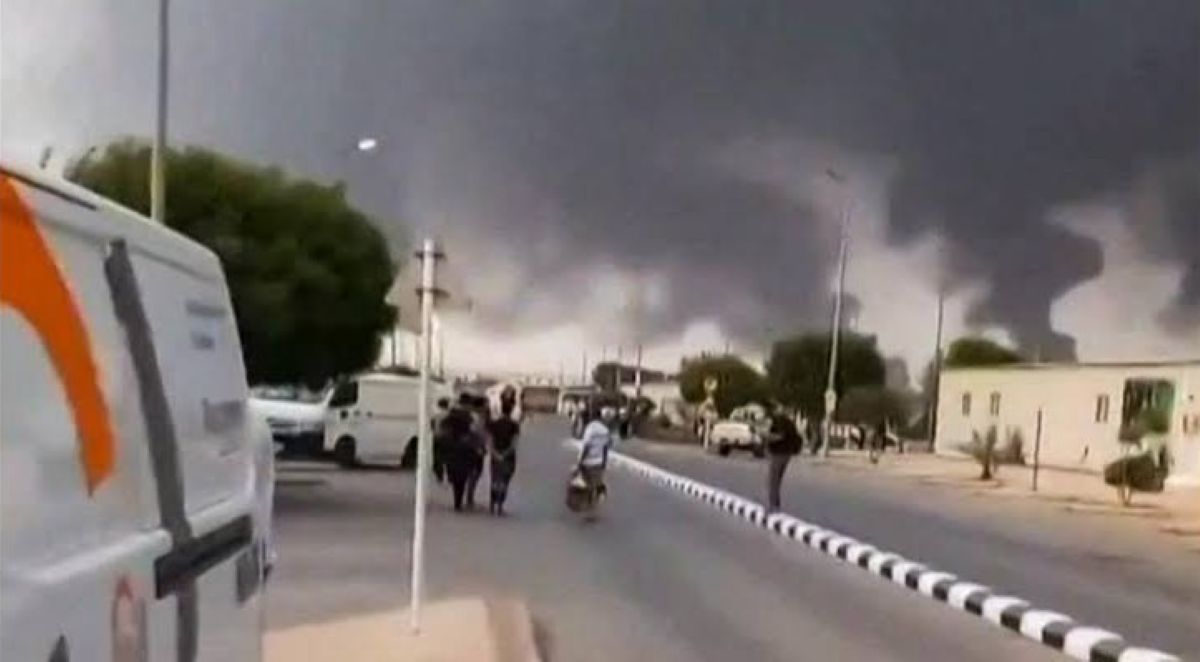
The United States and Saudi Arabia said their forces carried out coordinated strikes against Iran-backed armed groups operating in eastern Iraq, accusing the militias of launching recent drone attacks on Saudi oil infrastructure.
The operation marks Washington’s first major military action since US President Donald Trump suspended America’s bombing campaign against Iran last week.
Iraq’s Popular Mobilization Forces, a coalition of predominantly Shiite armed groups aligned with Tehran, reported significant casualties following the strikes, saying several of its bases were hit.
The Iraqi government has since convened emergency security meetings as concerns grow that the country could become a major battleground in the expanding regional conflict.
The latest operation also signals a more active military role for Saudi Arabia.
Although Riyadh has long supported US efforts to contain Iranian influence, this is among the clearest indications that Saudi forces are now participating directly in coordinated military operations against Iran-backed groups.
The development comes just days after Yemen’s Houthi movement, which is backed by Tehran, announced fresh attacks targeting Saudi oil facilities and shipping routes in the Red Sea.
Iran says it has intensified its own military operations in response.
The Islamic Revolutionary Guard Corps (IRGC) claimed its forces fired missiles towards American military positions in Jordan and intercepted three commercial vessels attempting to transit the Strait of Hormuz using what it described as unauthorized shipping routes.
Jordanian authorities confirmed intercepting several incoming missiles but did not immediately verify Iran’s account.
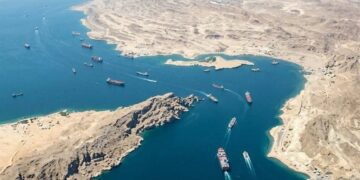
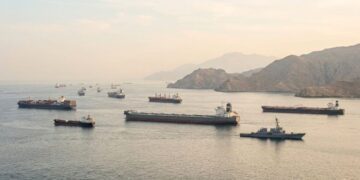
The Strait of Hormuz remains one of the world’s most critical energy corridors, with a significant share of global oil exports passing through the narrow waterway every day.
Diplomatic efforts also suffered another setback after Iran formally rejected a proposal by Oman aimed at establishing a joint regional framework for managing navigation through the Strait of Hormuz.
The proposal reportedly sought to create a shared management arrangement involving Gulf countries, with ships making voluntary contributions to fund navigation safety and maritime services.
However, Iranian officials insisted the arrangement would undermine Tehran’s strategic interests.
According to Iranian authorities, control over inbound shipping routes through the strait must remain firmly under Iran’s authority, while only limited concessions could be considered for outbound traffic.
Financial markets reacted quickly to the renewed hostilities.
International crude oil prices rose after news of the latest military exchanges, reversing part of the declines recorded after Washington temporarily suspended its bombing campaign.
Analysts warn that any prolonged disruption around the Strait of Hormuz or the Red Sea could place renewed pressure on global energy supplies and fuel prices.
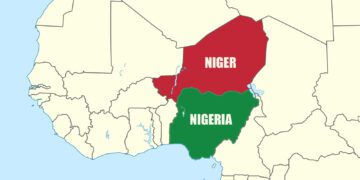
For Nigeria, the latest escalation presents both opportunities and risks.
Higher crude oil prices could improve export earnings and boost government revenue in the short term.
However, sustained instability in the Gulf could also increase the cost of refined petroleum products, aviation fuel, shipping and imported goods, potentially adding fresh inflationary pressure to Africa’s largest economy.
With diplomacy stalled, military operations expanding into Iraq and maritime tensions rising in the Gulf, fears are growing that the conflict could spread even further across the Middle East, making any near-term resolution increasingly unlikely.