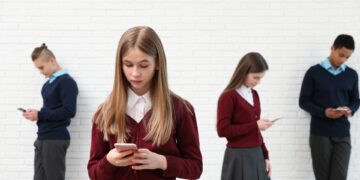






































































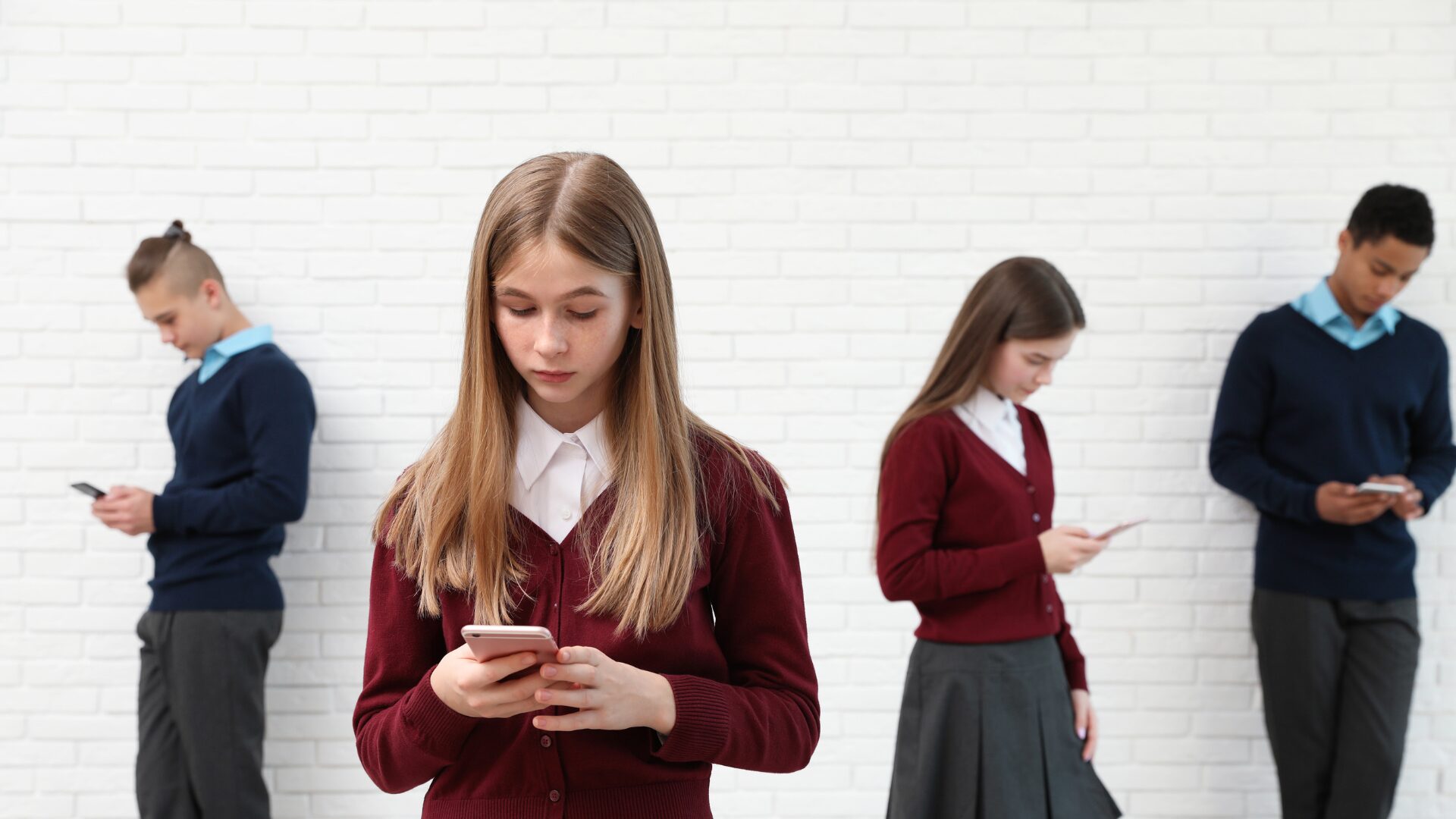
The United Kingdom is considering sweeping new restrictions on children’s access to social media, with Prime Minister Keir Starmer expected to back measures that would bar under-16s from accessing platforms deemed harmful while allowing access to services considered safer for young users.
According to reports by The Times, Starmer has moved closer to supporting stricter controls following discussions with bereaved parents and a review of international approaches, including Australia’s landmark legislation that introduced a nationwide social media ban for children under 16 in December 2025.
A source at Downing Street indicated that the Prime Minister remains prepared to confront major technology companies over child protection concerns.
“The Prime Minister is not afraid of taking on technology companies and their executives to protect young people,” the source was quoted as saying.
While reports suggest the government is examining a future ban on certain platforms, sources familiar with the discussions indicated that a formal prohibition is unlikely to be announced immediately.
Instead, the government is expected to unveil measures aimed at tackling emerging online threats, including efforts to prevent children from creating or sharing sexually explicit images that can later be exploited for sextortion, blackmail and other forms of online abuse.
Starmer is expected to address broader issues surrounding technology and society in a speech later on Monday, outlining how innovation can be harnessed while safeguarding children from digital harms.
The debate over children’s access to social media has intensified globally as governments grapple with concerns over mental health, online addiction, cyberbullying and exposure to harmful content.
Australia became one of the first countries to adopt a nationwide ban on social media use by under-16s, a policy that has attracted international attention and influenced discussions in several other nations.
Across Europe, governments are also considering tighter regulations.
- France is examining stronger age-verification measures.
- Denmark has proposed stricter controls on children’s online activity.
- Poland is reviewing safeguards aimed at limiting harmful digital content.
- Greece has announced plans to prohibit social media access for children under 15 from January 2027.
The UK already operates under strengthened online safety legislation requiring social media companies to take proactive steps to protect children from illegal, harmful and age-inappropriate content.
Earlier this year, the government launched a consultation examining additional measures, including:
- Social media curfews for minors.
- Limits on daily screen time.
- Restrictions on addictive platform features and recommendation algorithms.
- Enhanced age-verification requirements.
- Stronger parental control mechanisms.
Despite growing political support for tougher regulation, experts remain divided over whether outright bans represent the most effective solution.
Supporters argue that restrictions could help reduce exposure to harmful content, cyberbullying, online grooming and excessive screen use linked to mental health challenges among young people.
Critics, however, warn that blanket bans may prove difficult to enforce, encourage circumvention through virtual private networks (VPNs), and potentially limit access to educational, social and support resources available online.
The debate reflects a broader global challenge facing policymakers: how to balance the benefits of digital connectivity with the need to protect children in an increasingly complex online environment.