




































































Global oil prices pared earlier gains on Monday after Iran announced the conclusion of what it described as the first wave of missile attacks against Israel since the ceasefire reached in April, easing some immediate fears of a broader regional escalation.
Despite the moderation in prices, markets remained on edge as Tehran warned that more severe retaliation could follow if Israel continues military operations against Iranian-backed forces in Lebanon.
Brent crude futures rose by $1.01, or 1.2 per cent, to $94.19 per barrel, while U.S. West Texas Intermediate (WTI) crude gained 79 cents, or 0.9 per cent, to trade at $91.33 per barrel by midday trading.
Earlier in the session, both benchmarks had surged by more than five per cent amid renewed concerns over Middle East supply disruptions following fresh Israeli strikes inside Iran and continued military operations in Lebanon.
The latest rally adds to substantial gains recorded since the conflict intensified more than three months ago. Brent crude has climbed roughly 30 per cent since the outbreak of hostilities, while WTI has advanced about 36 per cent. Brent previously peaked above $126 per barrel in April.
The latest escalation followed Israeli strikes on a petrochemical facility in southwestern Iran, which Israeli authorities alleged was linked to ballistic missile production.
In response, Iran’s Islamic Revolutionary Guard Corps (IRGC) said it launched retaliatory strikes targeting what it described as a comparable industrial facility in the Israeli port city of Haifa.
The exchange came after Israeli military operations against positions linked to the Iran-backed group Hezbollah in Beirut over the weekend.
Iran has consistently maintained that any comprehensive agreement with the United States aimed at ending the conflict must also address Israeli military activities in Lebanon.
Amid the growing tensions, U.S. President Donald Trump called on both sides to halt further attacks, urging Israel and Iran to “immediately stop shooting.”
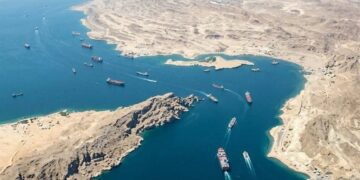
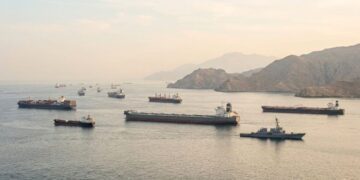
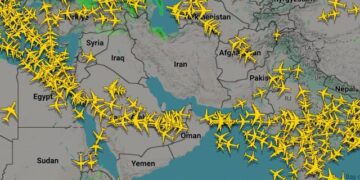
Energy markets continue to focus on developments surrounding the Strait of Hormuz, one of the world’s most important oil transit routes.
Before the outbreak of the current conflict, approximately one-fifth of global oil and liquefied natural gas shipments passed through the strategic waterway linking the Persian Gulf to international markets.
Analysts said fears that restrictions on shipping through the Strait could persist have continued to support oil prices.
According to reports, Iran’s ambassador to Moscow indicated that while the Strait would remain open, future access could be subject to conditions set by Iran and Oman, including the possible introduction of transit fees.
Adding another layer to the market outlook, the OPEC+ alliance on Sunday agreed to raise collective oil production targets for the fourth consecutive month.
However, analysts believe the decision is unlikely to significantly ease supply pressures.
Many member countries, they noted, are already struggling to meet existing production quotas due to operational challenges, conflict-related disruptions and infrastructure damage.
In Russia’s case, ongoing Ukrainian drone attacks on energy facilities have affected production capacity, while restrictions around the Strait of Hormuz continue to hamper exports from parts of the Gulf region.
As a result, refiners across Europe, Asia and other regions have been seeking alternative crude supplies to compensate for barrels no longer reaching international markets through traditional Middle Eastern export routes.
Industry estimates suggest that more than one billion barrels of oil supply have been disrupted since the conflict began, underscoring the scale of the challenge facing global energy markets.