









































































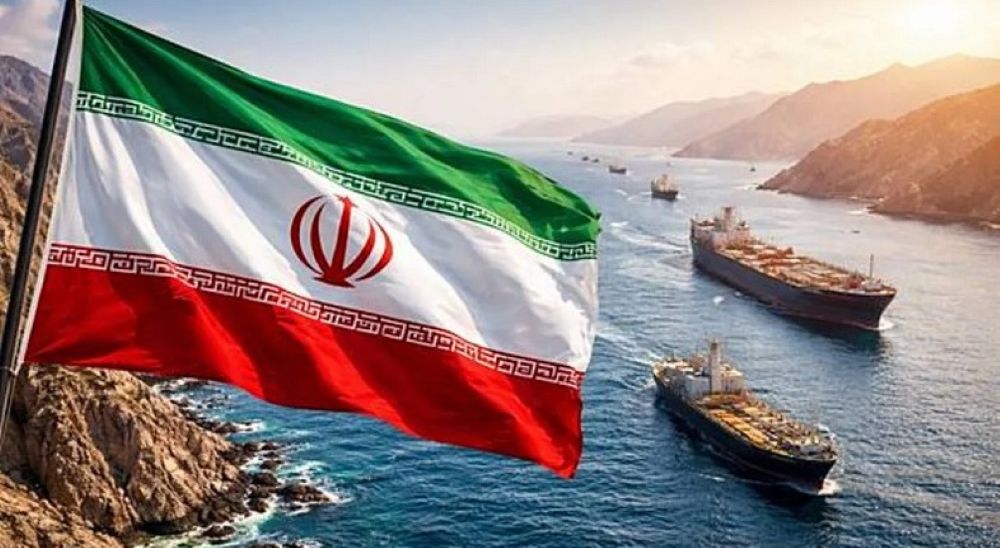
US President Donald Trump has rejected an Iranian proposal that would reopen the Strait of Hormuz and halt fighting across the Middle East within seven days, dealing a fresh blow to diplomatic efforts to end the seven-month-old conflict.
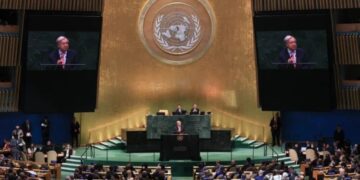
Iran presented the initiative during the United Nations General Assembly in New York and said it had been transmitted to Washington through Qatari mediators.
Under the proposal, Tehran would reopen the strategic waterway and agree to a pause in regional hostilities if the United States lifted its naval blockade of Iranian ports, waived sanctions on Iranian oil sales and observed a ceasefire covering the region, including Lebanon. Iran also sought the release of frozen Iranian funds.
Trump, speaking to reporters at the White House on Saturday before departing for Tennessee, said he had rejected the proposal.
“I reject their proposal,” Trump said, arguing that Iran was seeking an immediate reopening of Hormuz because the conflict had severely damaged its economy.
He said Tehran was under pressure because its oil revenues had been hit by the disruption of shipping through the strait, adding that Washington was in a strong position.
Washington Questions Tehran’s Motives
Trump’s rejection follows a Wall Street Journal report citing unnamed US officials who said the president was privately doubtful that Iran would satisfy Washington’s demands.
The report also said Trump had told aides that he considered a renewed bombing campaign after the November congressional elections likely. Reuters said it could not immediately independently confirm that report.
The development came despite an earlier assessment from a US official that discussions with Iran through mediators had been “positive and constructive.”
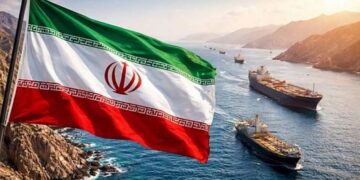
Trump has also maintained that the United States has control of the Strait of Hormuz, even as Washington’s economic blockade has drastically reduced shipping through the waterway.
Iran’s proposal therefore leaves the two sides facing competing priorities. Tehran wants the sanctions and blockade eased to revive its battered economy, while Washington is demanding concessions before reducing pressure.
Iran Puts Seven-Day Timetable on Deal
Iranian Foreign Minister Abbas Araghchi said on Friday that Tehran’s proposal would begin a seven-day countdown once Washington agreed to the terms.
“If there is seriousness on the US side to come to a deal and reopen the Strait of Hormuz, everything is now prepared,” Araghchi told reporters at the United Nations.
He said that once an agreement was reached, the warring parties could move into broader negotiations on issues they mutually agreed to discuss.
The nuclear programme could become part of those talks, although Tehran has signalled that it is not prepared to compromise on key aspects of its nuclear policy.
Trump has repeatedly insisted that Iran must never acquire a nuclear weapon.
A senior Iranian official, however, told Reuters that Tehran would show no flexibility over its nuclear programme even if Washington accepted the broader peace proposal. The official said Iran would continue to insist on its rights, including uranium enrichment, and would not agree to ship its highly enriched uranium out of the country.
Pezeshkian Says Iran Is Ready for Talks
Iranian President Masoud Pezeshkian said Tehran remained willing to negotiate over its nuclear programme and other issues but would not accept pressure or coercion.
“Iran is not seeking war, but will defend itself against pressure, threats and attacks,” Pezeshkian said in an interview with CBS.
He also said Iran had already agreed that it should not develop nuclear weapons.
Pezeshkian’s comments followed his appearance at the U.N. General Assembly, where he rejected Trump’s threats but ended his address by signalling that Tehran remained open to diplomacy.
The latest proposal represents Iran’s most concrete effort in recent weeks to connect the reopening of Hormuz with a wider political settlement.
War Continues to Disrupt Energy Markets
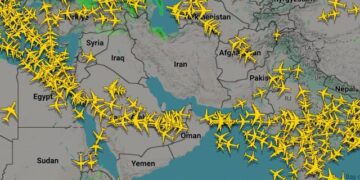
The dispute over Hormuz comes as the conflict continues to disrupt one of the world’s most important energy corridors.
The war has sharply reduced shipping through the strait, affecting oil flows and placing additional pressure on an already fragile global economy. Iran has used its ability to restrict traffic through the waterway as a major source of leverage, while the United States has imposed an economic blockade aimed at forcing Tehran to ease its own restrictions.
The confrontation has also spread beyond Iran and the United States.
Iran has launched missile and drone attacks against US allies in the Gulf, while its Houthi allies in Yemen have targeted Saudi interests and shipping around the Red Sea. Saudi Arabia and other regional states have increasingly rallied behind Riyadh as Houthi attacks have intensified.
Diplomatic Window Narrows
The latest rejection comes after the first indirect US-Iran talks in months, conducted through mediators during the U.N. General Assembly.
The two sides had exchanged proposals aimed at ending the fighting, but previous diplomatic efforts collapsed after an earlier agreement broke down in June.
Iran’s latest seven-day proposal was designed to provide a rapid route to reopening Hormuz and suspending regional hostilities. Trump’s rejection leaves the two governments once again divided over the terms of any settlement.
For now, Tehran says the choice rests with Washington, while Trump has made clear that he does not accept the Iranian terms.
With Hormuz still largely closed to normal commercial traffic, oil flows disrupted and fighting continuing across several fronts, the collapse of the latest diplomatic initiative raises fresh uncertainty over how the conflict will unfold after the U.S. midterm elections.