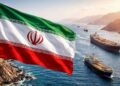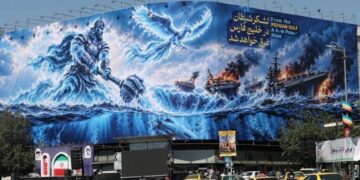



























































Iran has reaffirmed its call for a negotiated settlement with the United States and Israel after US President Donald Trump rejected Tehran’s proposal to reopen the Strait of Hormuz and halt the fighting.
Iranian Foreign Minister Abbas Araqchi said on Sunday that reopening the strategic waterway would depend on Tehran’s conditions being met, insisting that diplomacy remained the only route out of the deadlock.
“Our conditions are clear, and any move toward reopening the Strait of Hormuz is contingent on these conditions being met,” Araqchi said. “Only a negotiated solution can get them out of this deadlock.”
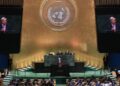
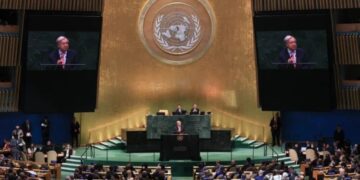
Iran presented the proposal during the UN General Assembly in New York last week and said it had been transmitted to Washington through Qatari mediators.
Trump said on Saturday that he had rejected the plan, arguing that Iran was seeking an immediate agreement to reopen Hormuz because of the pressure created by the conflict.
“They want to make a deal to open the Hormuz Strait immediately because they’re losing so badly,” Trump told reporters at the White House.
Tehran Awaits Formal US Response
Despite Trump’s public rejection, Araqchi said Iranian mediators had not formally delivered a definitive US response to Tehran.
“We are waiting for the mediators to convey the definitive views to us, and we will make a decision based on them,” he said.
The Iranian proposal would set a seven-day process for reopening Hormuz and suspending fighting across the region. Araqchi said a US acceptance could then pave the way for broader negotiations on issues agreed by both sides.
The Wall Street Journal first reported Trump’s rejection, citing unnamed US officials. The newspaper also reported that Trump privately doubted whether Iran would accept his demands and had told aides he considered renewed bombing likely after the November midterm elections. Reuters could not independently confirm that report.
A US official had previously described indirect discussions with Iran through mediators as “positive and constructive,” highlighting the gap between the diplomatic contacts and Trump’s public position.
Iran Refuses Nuclear Concessions
A senior Iranian official told Reuters that Tehran would not make concessions on its nuclear programme even if Washington accepted the broader peace proposal.
The official said Iran would not surrender what it considers its rights, including uranium enrichment or an agreement to ship highly enriched uranium out of the country.
President Masoud Pezeshkian, meanwhile, said Iran remained prepared to negotiate over its nuclear programme and other issues but would not accept pressure or coercion.
“Iran is not seeking war, but will defend itself against pressure, threats and attacks,” Pezeshkian said, adding that Tehran had already agreed that it would not develop nuclear weapons.
Hormuz Conflict Disrupts Global Oil Trade
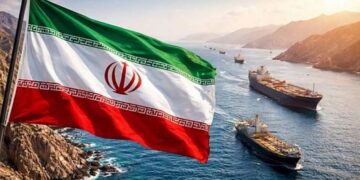
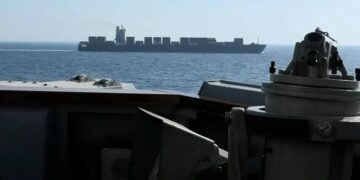
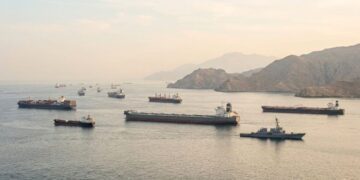
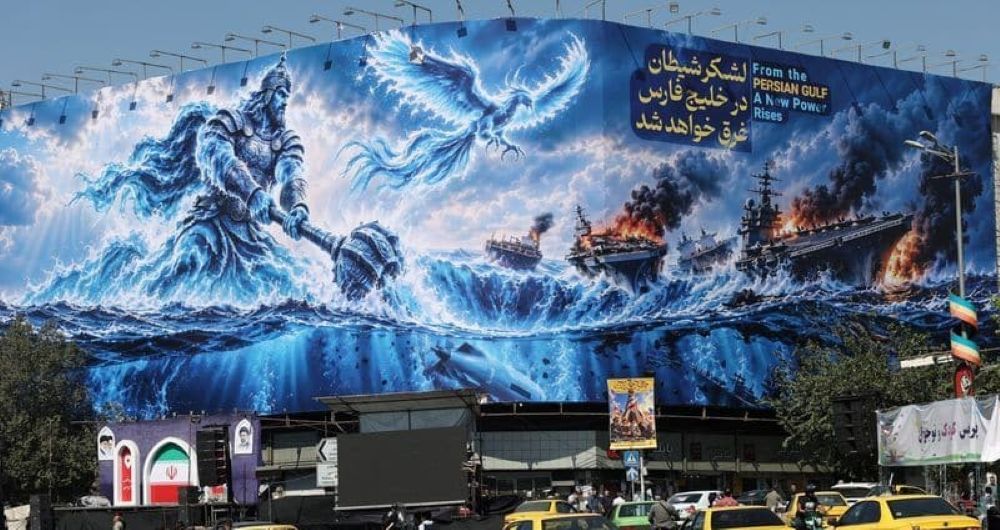
The dispute over Hormuz has become a central part of the wider conflict because the waterway is a major route for global oil shipments.
The US has imposed an economic blockade on Iran as it seeks to pressure Tehran over attacks on vessels in the strait. Shipping through the waterway has fallen sharply, while Trump has repeatedly asserted that Washington controls it.
Iran has also engaged with Saudi Arabia over the crisis, underscoring the regional and economic stakes of the seven-month conflict. The fighting has disrupted oil flows and added pressure to an already strained global economy.
Iranian army commander Amir Hatam said the conflict had reached a critical stage and warned that Tehran would not accept a situation in which it could not trade while foreign powers continued using strategic waterways in the region.
“If Iran cannot trade, if Iran cannot live, no one will be able to trade or live,” he said, according to Iranian state media.
Yemen Strike Kills Seven
The wider conflict also continued to affect Yemen, where the Houthi-run health ministry said seven people were killed and 40 wounded, including children, in a strike on shops at a market in Mawiya junction in Taiz province on Sunday.
Yemen’s internationally recognized government later said its forces had targeted a Houthi military camp and vehicles at the same location. Three Yemeni government military sources told Reuters that Houthi fighters had recently established a military camp near the market.
The attack adds to the regional fallout from the conflict, which began on February 28 with US and Israeli strikes on Iran and has since expanded through repeated attacks and retaliatory operations.
Iran has targeted US allies in the Gulf with missiles and drones, while its Houthi allies in Yemen have attacked Saudi interests, extending the confrontation beyond the immediate US-Iran battlefield.