













































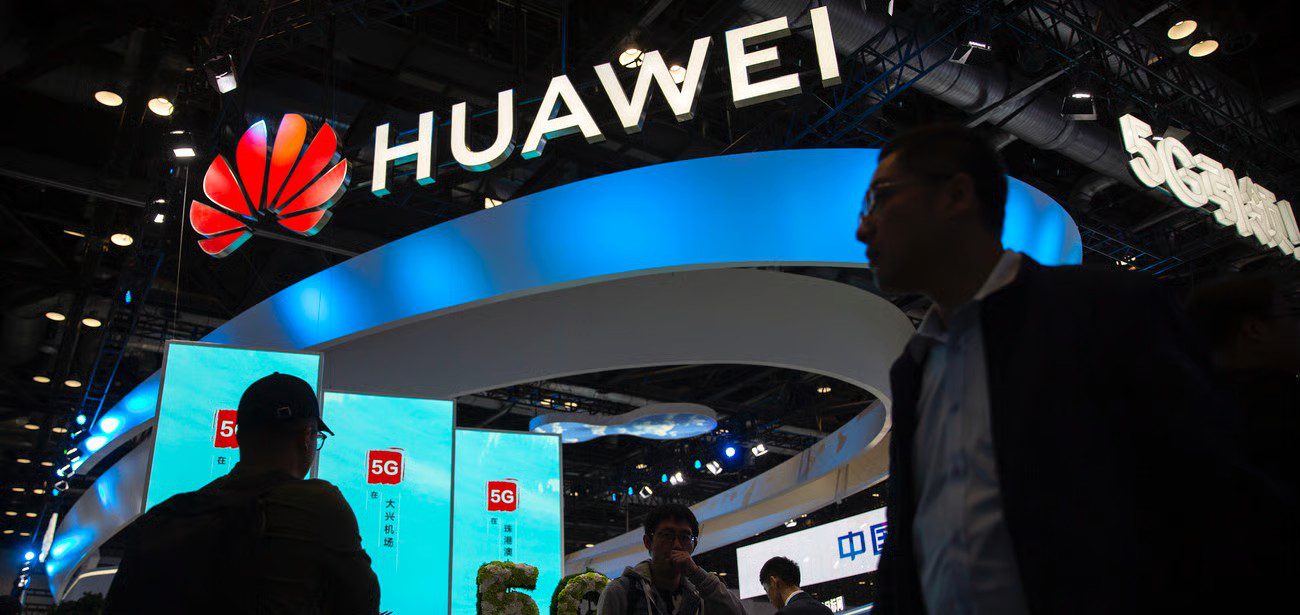
Chinese telecommunications giant Huawei has been found guilty on 10 of 12 criminal charges in a US federal trial involving allegations that it misled banks about its operations in Iran and stole trade secrets from American technology companies.
A jury delivered the verdict on Tuesday at a federal court in Brooklyn, New York, after a trial that lasted more than two months. Jurors convicted Huawei of offences including bank fraud, wire fraud, sanctions violations and conspiracy to steal trade secrets, but cleared the company of racketeering conspiracy and conspiracy to obstruct justice.
The case, which dates back to 2018, was part of a broader US effort to restrict Huawei’s access to American technology over national security concerns. Washington placed the company on a trade blacklist in 2019, limiting its ability to obtain US products and technology.
Sentencing has been scheduled for September 14, 2027, before US District Judge Ann Donnelly. The penalties Huawei could face have not yet been determined.
The prosecution called more than 60 witnesses during the trial, while Huawei’s defence presented 15. Reuters investigations published in 2012 and 2013 into Huawei’s activities in Iran also featured in the proceedings.
Prosecutor Meredith Arfa told jurors during closing arguments that scrutiny of Huawei’s Iranian operations by the media had prompted its banking partners to begin examining the company’s activities.
Huawei’s lawyer, Brian Heberlig, said the company was disappointed by the convictions but viewed the jury’s decision to dismiss the racketeering charge as an affirmation of its compliance practices. He said Huawei intended to appeal the verdict.
US Attorney Joseph Nocella described the case as involving serious violations that, in the government’s view, threatened American national security, commercial integrity and the enforcement of US law.
China’s embassy in Washington had not responded to a request for comment by the time of publication.
Heberlig declined to speculate on the amount Huawei might be ordered to pay, saying it was too early to assess the financial consequences. He suggested that the acquittal on the racketeering charge could have a substantial bearing on the eventual penalties.
Despite the legal battle, analysts have said the case is unlikely to significantly weaken Huawei’s commercial position. The company has expanded into other areas and remains an important player in China’s efforts to develop its artificial intelligence industry.
Meng Wanzhou’s arrest triggered diplomatic tensions
The case also has roots in the arrest of Huawei’s chief financial officer, Meng Wanzhou, in Canada in December 2018 under a US extradition request. Meng, the daughter of Huawei founder Ren Zhengfei, was accused of misleading an HSBC banker about the company’s business activities in Iran to facilitate dollar transactions in violation of US sanctions.
Her arrest sparked a major diplomatic dispute involving Washington, Beijing and Ottawa.
Meng challenged her extradition for nearly three years before reaching a deferred prosecution agreement with US authorities. She subsequently returned to China, where she received a celebratory welcome. The charges against her were later dismissed.
Although Meng did not testify in Huawei’s trial, the HSBC banker who met with her in 2013 appeared as a witness.
The original indictment accused Huawei of deceiving HSBC, Standard Chartered and BNP Paribas about its Iranian business activities. Additional charges filed in 2020 expanded the case to include allegations that the company had participated in a scheme to obtain trade secrets from US technology firms spanning approximately two decades.
Allegations of stealing technology from U.S companies
Prosecutors alleged that Huawei obtained proprietary technology from several American companies, including source code developed by Cisco Systems for its routers, antenna technology belonging to wireless telecommunications firm Quintel, and access to a circuit board designed by semiconductor company CNEX through a professor.
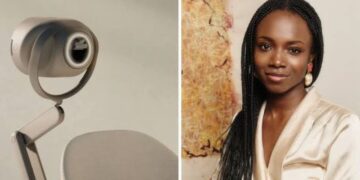
Jurors were also shown footage that prosecutors said captured a Huawei employee taking part of a T-Mobile testing robot and placing it in a backpack. Another allegation involved a Huawei engineer who reportedly entered a Fujitsu exhibition booth at a trade show and photographed a device without authorization.
The prosecution also presented a statement linked to Meng’s deferred prosecution agreement in which she acknowledged that Huawei had conducted business in Iran in violation of US law.
Huawei’s defence maintained that the banks were aware of its Iranian operations and had continued pursuing its business. Heberlig argued that prosecutors had assembled isolated incidents and selectively presented evidence to portray them as part of a long-running criminal conspiracy.
He insisted the company’s success was driven by investment in research and development, innovation and sustained effort rather than unlawful conduct.
Huawei employs more than 200,000 people and operates in around 170 countries, underscoring the global reach of the company as it prepares to challenge the convictions.