















































































Fresh security concerns have emerged across the Middle East after drones targeted parts of Saudi Arabia, Jordan and Iraq, just days after the United States suspended its latest round of military strikes against Iran.
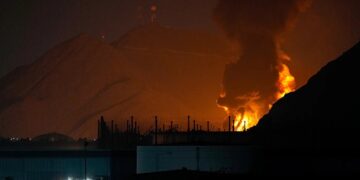
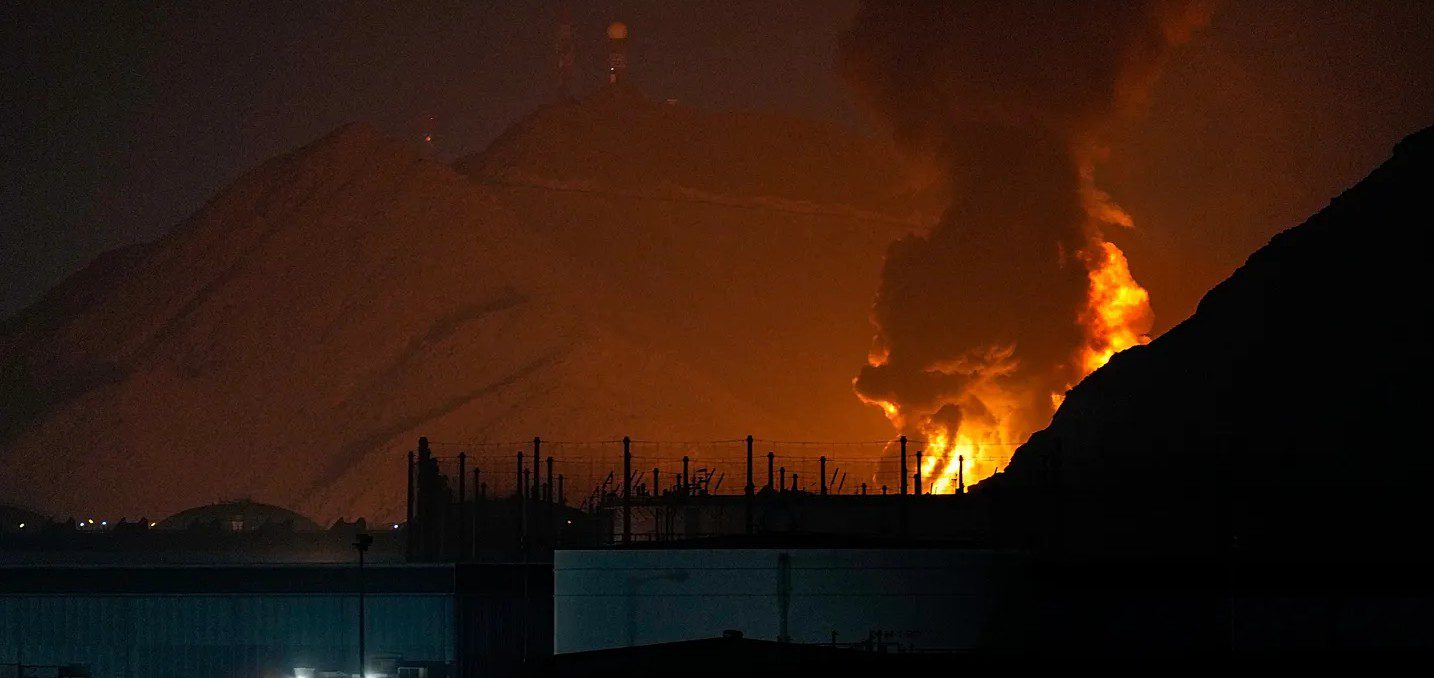
Saudi authorities said their air defence systems intercepted several drones aimed at strategic facilities, including petroleum infrastructure in the kingdom’s eastern region and around the capital, Riyadh.
According to Saudi officials, the drones were allegedly launched by an Iran-backed armed group operating from Iraq. The kingdom condemned the attacks and warned that it reserves the right to respond.
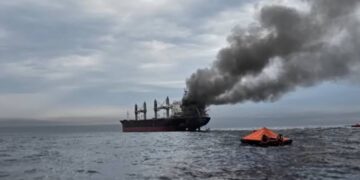
At the same time, Yemen’s Houthi movement claimed responsibility for separate attacks targeting oil transit routes linked to Saudi Arabia’s Red Sea export infrastructure, describing the operation as retaliation for what it alleged were Saudi surveillance and drone activities over Yemen.
Regional attacks raise fresh security concerns
Elsewhere, Jordan announced that its military had intercepted two drones entering its airspace, while security officials in northern Iraq reported multiple drone strikes near camps occupied by Iranian Kurdish opposition groups.
Although authorities have not officially identified those behind the attacks, the incidents have heightened fears that the conflict could spread further across the region.
The developments come only two days after US President Donald Trump ordered a halt to a two-week aerial campaign against Iranian targets, a decision that surprised many observers.
Why Washington paused the offensive
According to reports from US officials, military commanders advised the White House that the operation had reached the point of diminishing returns, with available strategic targets becoming increasingly limited.
Officials also reportedly expressed concerns about the heavy use of precision-guided munitions and air defence systems during the campaign.
The bombing operation reportedly lasted nearly two weeks and resulted in significant damage to Iranian military infrastructure. It also triggered retaliatory attacks by Iran against US military installations in neighbouring countries, leading to the deaths of four American service members.
Oil prices fall after military pause
Global oil markets reacted swiftly to the suspension of US air operations.
Crude prices, which had surged on fears of supply disruptions, retreated as investors interpreted the pause as reducing the immediate risk of a wider regional war.
Energy analysts, however, caution that prices could quickly rebound if attacks on oil facilities or shipping routes intensify.
Iran rejects claims of renewed negotiations
Iran has denied reports suggesting it requested fresh negotiations with Washington.
Government officials in Tehran insisted that while diplomatic channels remain open through international mediators, the country has not sought new direct talks with the United States.
Iran also maintained that it remains in control of navigation through the Strait of Hormuz, one of the world’s most important oil shipping routes.
State media claimed Iranian authorities recently turned back several vessels attempting to pass through the waterway without complying with Tehran’s maritime regulations, although independent verification of the claim has not been provided.
Why Nigerians should pay attention
For Nigeria, the escalating tensions carry important economic implications.
Any prolonged disruption to oil exports from the Gulf region could trigger fresh volatility in global crude prices. While higher oil prices may increase Nigeria’s export earnings, they could also push up the cost of imported petroleum products, shipping, aviation fuel and other goods, potentially worsening inflationary pressures.
The situation is also being closely monitored because instability around major global energy routes could affect international trade, investment flows and overall economic confidence.
With drone attacks now reported across several Middle Eastern countries despite the suspension of US air strikes, analysts warn that the conflict remains highly unpredictable and could escalate again if diplomatic efforts fail.