














































































Iran has said its delegation at the United Nations General Assembly has no plans to hold negotiations with the United States, despite President Donald Trump’s claim that Washington expects further talks with Tehran this week.
Iran’s official IRNA news agency, citing an unnamed source close to the delegation, reported that the Iranian team in New York had no plans for negotiations with US officials.
The statement came a day after Trump said he had rejected an Iranian proposal to reopen the Strait of Hormuz within seven days, but told Axios that he expected US negotiators to engage in further discussions with Tehran this week.
Tehran Says Its Position Has Already Been Conveyed
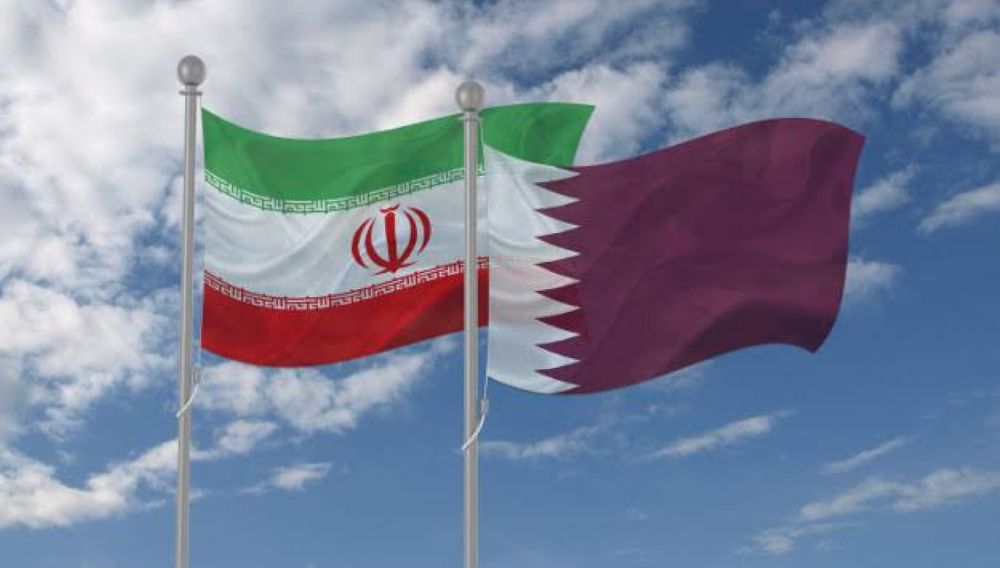
IRNA said Iran’s position had been communicated clearly to Washington through Qatari mediators and that the Iranian delegation was scheduled to return to Tehran on Tuesday.
Iranian officials have maintained that any agreement on Hormuz must be tied to broader conditions for ending the conflict.
The disagreement comes as Qatar and other regional mediators continue efforts to keep indirect diplomacy alive. Axios reported that Qatari mediators had been shuttling between the two sides and were expected to meet separately with Iranian Foreign Minister Abbas Araqchi and US representatives as early as Monday.
Iran Sets Conditions for Reopening Hormuz
Tehran has proposed a seven-day framework for ending hostilities and reopening the strategic waterway.
Its conditions include a ceasefire covering Iran and Lebanon, the release of frozen Iranian assets, the lifting of sanctions on Iranian oil exports and an end to the US naval blockade of Iranian ports.
In return, Iran would reopen the Strait of Hormuz and resume discussions with Washington over its nuclear programme.
The waterway is a critical route for global energy supplies. Before the war, about one-fifth of the world’s oil and gas shipments passed through the strait. Iran’s proposal has therefore placed Hormuz at the centre of efforts to end the conflict.
Trump Rejects Proposal but Leaves Door Open
Trump rejected Tehran’s proposal on Saturday, saying Iran was seeking a quick agreement because of the economic pressure created by the conflict.
A day later, however, he told Axios that he expected more talks with Iran during the week. The comments came as regional mediators continued trying to narrow differences between the two sides.
US and Iranian representatives had already held indirect discussions in New York, with Qatari officials relaying messages between the parties. During those talks, Iran presented its conditions for reopening Hormuz and restarting nuclear negotiations.
Iran Awaits Formal U.S Response
Araqchi said Iran was still waiting for an official response from Washington through the mediators.
Tehran has also stressed that it remains open to diplomacy, while rejecting what it considers coercive terms.
The conflicting statements from Washington and Tehran leave the immediate status of the negotiations unclear. While Trump has publicly indicated that further talks could take place, Iran says its delegation currently has no plans for direct negotiations with the US.
For now, Qatar’s mediation effort remains the main channel for communication between the two sides as they remain divided over the terms for ending the war and reopening Hormuz.