

































































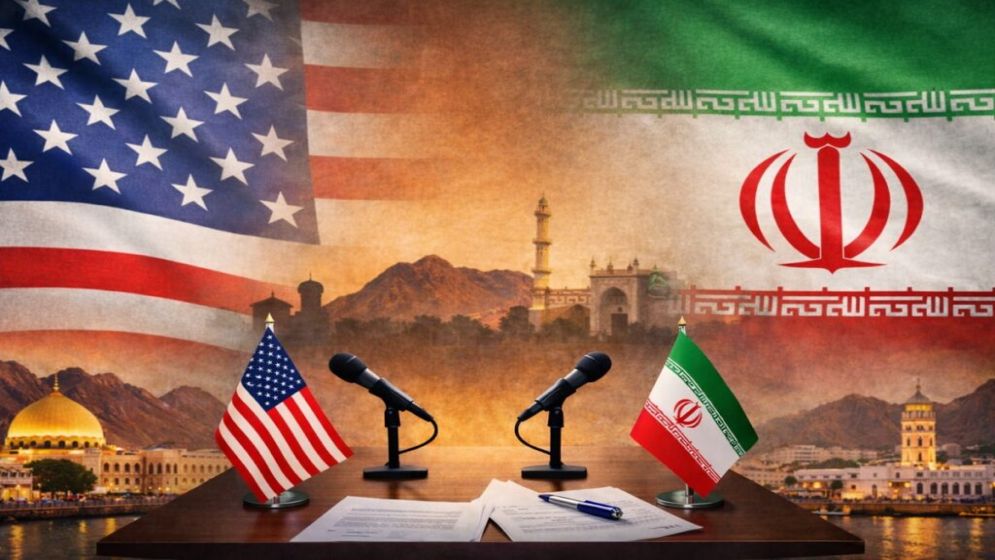
The United States and Iran are preparing for a new round of indirect diplomacy through Qatari mediators as efforts intensify to end the war and resolve the dispute over the Strait of Hormuz.
A senior official briefed on the negotiations told Reuters that Qatari mediators are expected to hold separate discussions with Iranian Foreign Minister Abbas Araqchi in New York and with US representatives on Monday or Tuesday. The talks are expected to centre on an amended version of Iran’s seven-day proposal unveiled last week on the sidelines of the United Nations General Assembly.
Araqchi remained in New York after the UN General Assembly, although it was initially unclear who would represent Washington in the separate discussions with the mediators.
Iran’s semi-official ISNA news agency later said Araqchi would meet the mediators on Monday morning, New York time, to review the latest proposals and positions on the conflict.
Iran Seeks Changes to Seven-Day Proposal
Tehran’s plan calls for an end to hostilities in Iran and Lebanon, the release of billions of dollars in frozen Iranian assets, the removal of sanctions on Iranian oil and the lifting of the US blockade on Iranian ports.
In return, Iran would reopen the Strait of Hormuz and resume negotiations with Washington over its nuclear programme.
The proposal was transmitted to the United States through mediators as the two countries searched for a way to halt a conflict that has disrupted shipping and energy markets.
US President Donald Trump said on Saturday that he had rejected Iran’s proposal, arguing that Tehran was seeking a rapid reopening of Hormuz because of the economic pressure it faces.
Trump, however, told Axios on Sunday that he expected US negotiators to hold further discussions with Iran during the week, leaving the door open to continued diplomacy.
Tehran Awaits Washington’s Position
Araqchi said Sunday that Iranian officials had not received a formal message from mediators confirming Trump’s rejection of the proposal.
“We are waiting for the mediators to convey the definitive views to us, and we will make a decision based on them,” he said.
He also reiterated that Iran’s conditions for reopening Hormuz remained unchanged.
“Our conditions are clear, and any move toward reopening the Strait of Hormuz is contingent on these conditions being met,” Araqchi said, adding that only a negotiated settlement could resolve the impasse.
The latest diplomatic effort follows earlier indirect contacts between Washington and Tehran. The two sides remain divided over the terms of a settlement, including the future of Iran’s nuclear programme and restrictions on shipping through Hormuz.
Araqchi’s Return to Tehran Uncertain
Iranian Foreign Ministry spokesperson Esmaeil Baghaei later said Araqchi’s stay in New York had not been extended and that the foreign minister was expected to return to Tehran according to his original schedule.
Baghaei did not comment on the planned meeting with the mediators, leaving some uncertainty over how long the latest diplomatic contacts would continue.
The proposed talks come as both sides face pressure to find a way out of the conflict. Iran has said it is prepared to discuss its nuclear programme but has rejected what it describes as coercive demands, while Washington has continued to insist that Tehran must not obtain a nuclear weapon.
Hormuz Remains Central to the Negotiations
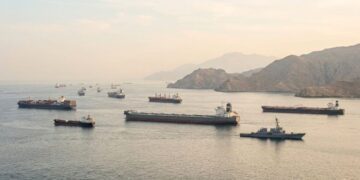
The Strait of Hormuz remains at the heart of the negotiations because the waterway is a crucial route for global oil and gas shipments.
Iran has linked its reopening to the lifting of US pressure and the blockade on its ports. A senior Iranian official previously told Reuters that Tehran could reopen the strait within seven days if Washington eased military pressure and lifted the blockade.
The conflict has sharply reduced shipping through the waterway and disrupted energy flows, increasing pressure on countries in the region to support diplomatic efforts.
Qatar has played a key role in relaying messages between Washington and Tehran, while Gulf states have also sought arrangements that could restore regional security and protect commercial shipping.