






































































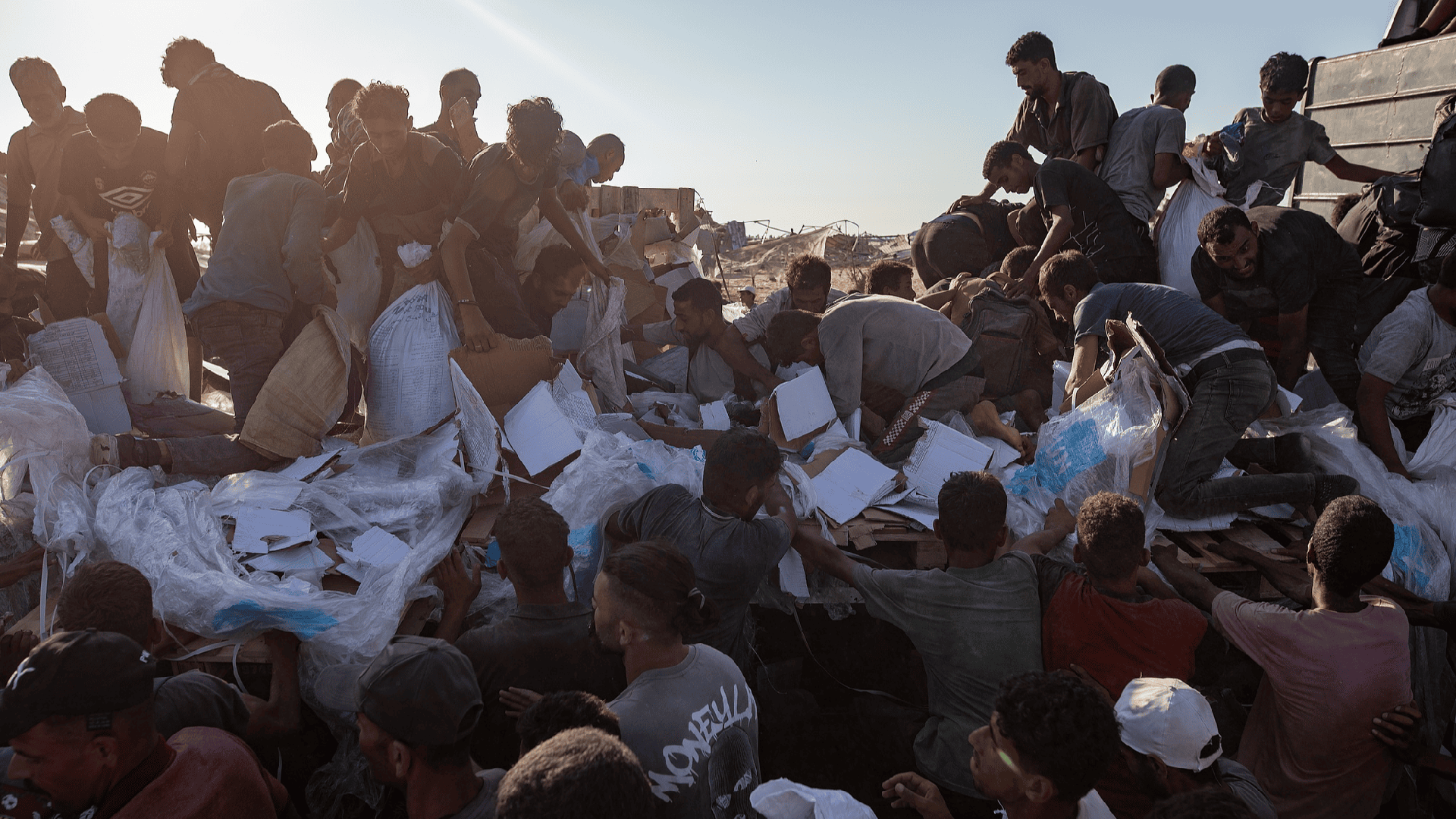
The global humanitarian system is facing one of its most severe crises in decades, with shrinking funding, widespread job losses and growing restrictions on aid leaving tens of millions of vulnerable people without assistance, a new report has warned.
The State of the Humanitarian System 2026 report found that about 64 million fewer people received humanitarian support in 2025, following a sharp decline in funding from major donor governments.
Humanitarian contributions fell from a peak of $47.5 billion in 2022 to an estimated $33.3 billion in 2025, representing a decline of about 30% over the period. The contraction has forced aid agencies to scale back programmes and focus increasingly on people facing immediate threats to their lives.
As a result, longer-term support designed to help communities recover from conflict, displacement, disease and economic hardship has been significantly reduced.
Jennifer Doherty, a co-author of the report produced by the Active Learning Network for Accountability and Performance, said the consequences of the funding cuts were falling disproportionately on vulnerable groups.
Women, children, older people and displaced populations were among those most severely affected, she said, as specialised programmes were shut down and targeted services became increasingly difficult to maintain.
The report estimated that as much as 23% of humanitarian sector jobs were lost in 2025, weakening the capacity of aid organisations to respond to growing crises.
Aid budgets shrink as needs continue to rise
The United States recorded some of the largest reductions in humanitarian spending, with USAID funding estimated to have fallen by 55% in 2025. However, the decline was not limited to Washington.
The report found that 13 of the world’s 20 largest aid donors reduced their contributions last year, further deepening the financial pressure on humanitarian organizations.
Funding restrictions imposed by governments also affected how remaining resources could be used. The report pointed to policy conditions and spending freezes affecting programmes linked to diversity, equity and inclusion policies, among other areas.
For people who continued to receive humanitarian assistance, the amount of support available also declined sharply.
Average aid available per targeted person dropped from $178 in 2021 to about $90 in 2025, even as the estimated level of need per person rose to $255.
The widening gap means that many aid agencies are now providing less assistance to more people with increasingly complex needs.
Governments accused of worsening humanitarian risks
Beyond the funding crisis, the report raised concerns about the growing role of governments in creating or worsening the dangers faced by civilians and humanitarian workers.
States were linked to 64% of attacks on healthcare workers, while military operations, including airstrikes, continued to pose major risks to civilians and aid personnel in conflict zones.
The report said the humanitarian system was being squeezed from multiple directions: funding was declining, the number of people requiring assistance was rising, and access to affected populations was becoming more difficult.
In many crises, governments were failing to adequately protect civilians and, in some cases, were directly contributing to the violence and insecurity that created humanitarian emergencies.
Yemen illustrates impact of funding cuts
Yemen was cited as one of the countries where reduced humanitarian funding has had serious consequences.
Nutrition conditions have deteriorated in some communities, while the suspension of vaccination campaigns has contributed to rising cases of diseases including diphtheria.
Mohammed Bahashwan, Action for Humanity’s country director in Yemen, said families were often facing several overlapping crises at the same time.
A household could lose its source of income, struggle to buy food, care for a malnourished child and still face high transportation and medical costs when seeking healthcare, he said.
The reduction in aid has made it increasingly difficult for families to cope with these combined pressures.
Local organizations step in, but face their own challenges
Despite the scale of the crisis, the report identified examples of local humanitarian organizations and diaspora networks stepping in to support communities where international assistance had been reduced.
However, it warned that the wider humanitarian system was still failing to coordinate effectively with many of these local networks.
Local organizations and frontline aid workers were also among those heavily affected by funding cuts, raising concerns about the long-term sustainability of community-based responses.
Meg Sattler, chief executive of Ground Truth Solutions, said the international humanitarian sector needed to place greater emphasis on local organizations and communities.
She warned that the increasing focus on “life-saving only” assistance was leaving many people without the support needed to rebuild their lives and reduce their dependence on aid.
Families may receive emergency food or medical support, she noted, but lose access to assistance that could help children remain in school or allow households to rebuild livelihoods and create financial stability.
A system under pressure
The report concludes that the humanitarian sector is undergoing one of its sharpest contractions since the modern international aid system emerged after the Second World War.
With donor funding continuing to fall and global crises multiplying, aid agencies are increasingly forced to make difficult decisions about who receives help and which programmes can survive.
The result is a growing gap between humanitarian needs and the resources available to address them, leaving millions of people without support and raising fresh questions about whether the current global aid system can continue to meet the scale of future crises.
Source: The Guardian