


































































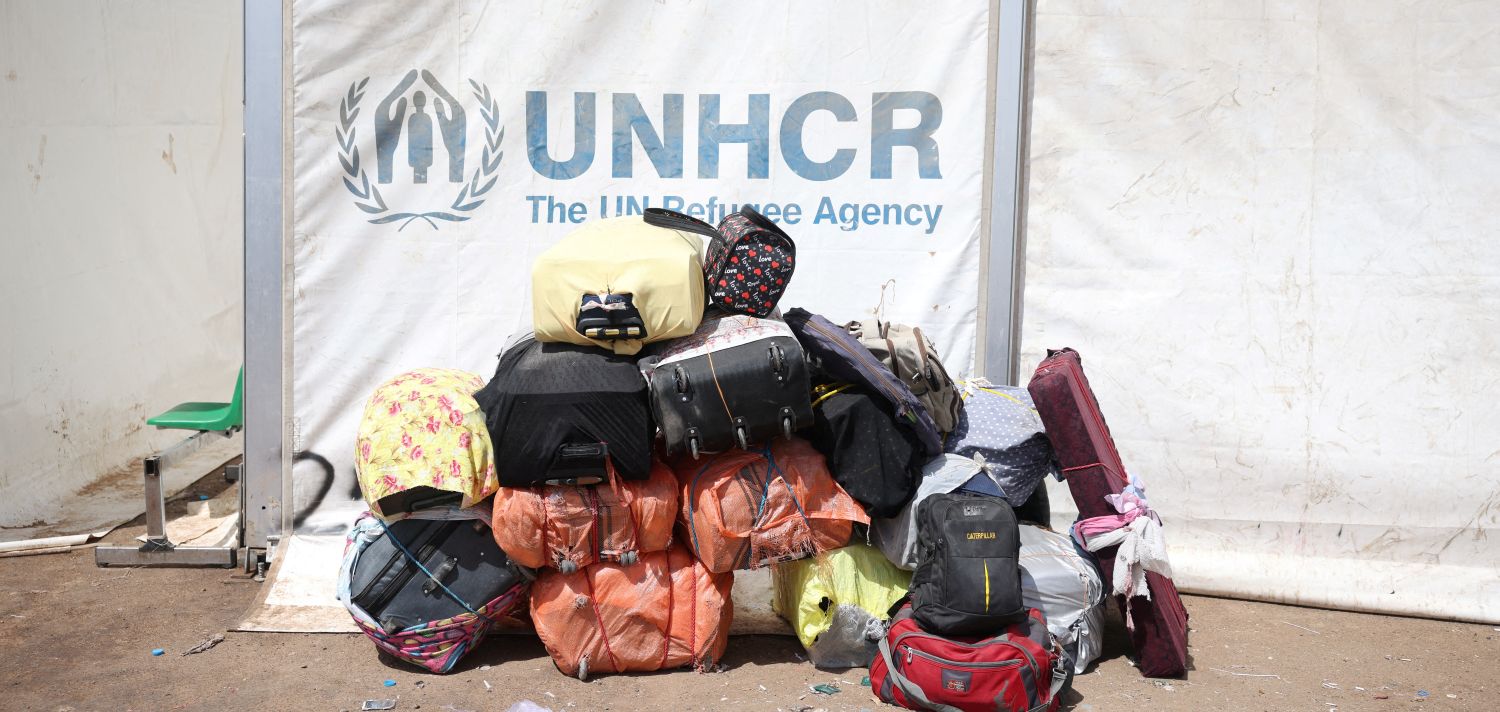
The United Nations refugee agency has warned that severe funding shortages are forcing it to scale back humanitarian operations worldwide, with millions of displaced people at risk of losing access to essential protection and support.
UN High Commissioner for Refugees Barham Salih said on Monday that the agency had secured only $3bn of the $8.5bn required to fund its operations in 2026, leaving a shortfall of about 65 per cent.
Speaking at a meeting of the agency’s executive committee in Geneva, Salih said declining contributions from major donors, including the United States under President Donald Trump, had intensified pressure on humanitarian programmes at a time when global displacement remained at record levels.
He warned that internal restructuring and cost-cutting could not indefinitely compensate for the decline in financial support.
“Protection has a floor. Below it, the system does not simply become smaller. The protection we can provide begins to fail,” Salih said.
He added that there was a limit to what humanitarian workers could achieve with shrinking resources.
“There is a difference between doing more with less and being asked to do the impossible,” he said.
Funding for 2027 also remains uncertain. Salih said the agency was currently anticipating about $2.68bn for next year, although the amount could increase following a donor pledging conference scheduled for December.
Workforce falls by nearly half
The funding crisis has prompted UNHCR to undertake one of the largest restructuring exercises in its history.
Salih said the agency’s workforce had fallen from about 20,000 employees in 2024 to just under 12,000, as it sought to reduce costs while preserving critical services.
The agency has prioritized job cuts at its Geneva headquarters and regional offices in an effort to protect frontline operations. About 88 per cent of its remaining workforce is based outside headquarters.
Salih said approximately 95 per cent of staff involved in protection activities had been retained in field locations. Their responsibilities include registering refugees, providing legal assistance and helping displaced people find lasting solutions, including safe and voluntary return to their home countries.
However, he warned that the financial constraints were already affecting refugees and humanitarian partners, with several programmes facing disruption or suspension.
Medical and legal services under threat
In Chad, insufficient funding threatens specialized medical treatment and legal assistance for more than 50,000 survivors of conflict-related sexual violence who fled neighbouring Sudan, Salih said.
The situation in Ethiopia has also deteriorated, with refugee registration suspended for tens of thousands of people from South Sudan and Eritrea, according to the UNHCR chief.
Such interruptions can leave displaced people without the documentation and official recognition needed to access protection and other essential services.
The agency’s difficulties extend across Latin America and the wider