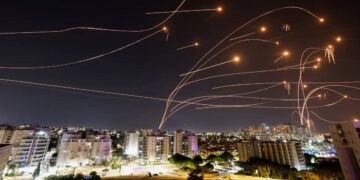











































































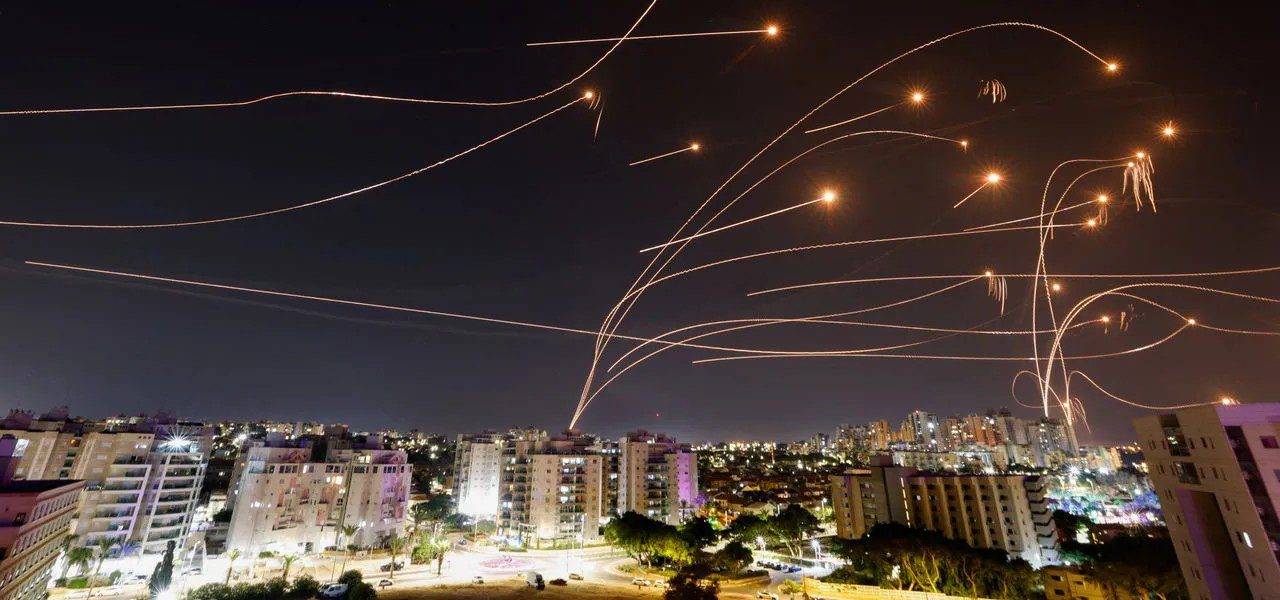
Saudi Arabia’s air defence systems intercepted two ballistic missiles fired from Yemen on Saturday in an attempted strike on oil facilities in the western city of Yanbu, according to security sources.
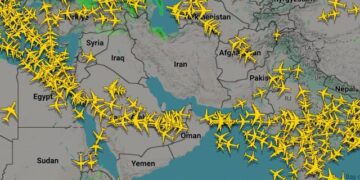
The attempted attack comes amid escalating hostilities across the Middle East, where renewed military exchanges between the United States, Iran and Tehran-backed armed groups are heightening concerns over regional security and global energy supplies.
Authorities issued emergency alerts for residents in Yanbu, a key Red Sea oil hub, before later announcing that the immediate threat had passed. A separate civil defence warning was also issued for Jizan, a southern Saudi city near the Yemeni border.
There were no immediate reports of casualties or damage to oil infrastructure.
The interception was reportedly carried out using Patriot missile defence systems deployed in the kingdom to help protect strategic energy assets.
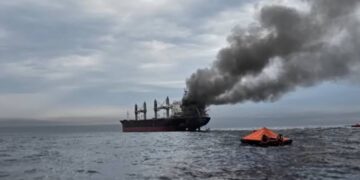
The latest incident follows renewed attacks involving Yemen’s Houthi movement, which has declared a maritime blockade targeting Saudi shipping. The development has increased pressure on one of the world’s busiest energy corridors at a time when shipping through the Strait of Hormuz remains severely disrupted.
The United States has also intensified its military operations against Iran, carrying out another round of air strikes on Friday. In response, Tehran said it launched attacks against American military positions in Kuwait, Bahrain, Jordan and Iraq, further raising fears of a broader regional conflict.
U.S. President Donald Trump warned that Washington was prepared to escalate its military response if necessary, while maintaining that diplomatic channels with Tehran remained open.
“We’re ready if required, but we’re also talking,” Trump told reporters, adding that negotiations remained an option if Iran demonstrated a genuine willingness to reach an agreement.
Despite the ongoing diplomacy, both sides have continued exchanging military strikes, with neither showing signs of backing down.
The worsening security situation has also unsettled global energy markets. Crude oil prices have climbed sharply this week as investors worry that prolonged attacks on key oil export routes could tighten global supply and push fuel prices even higher.
Meanwhile, diplomatic efforts to de-escalate the conflict continue behind the scenes. Officials familiar with regional discussions say Pakistan is exploring ways to help revive talks between the United States and Iran, while China has also stepped up efforts to encourage renewed negotiations aimed at preventing a wider regional war.