





































































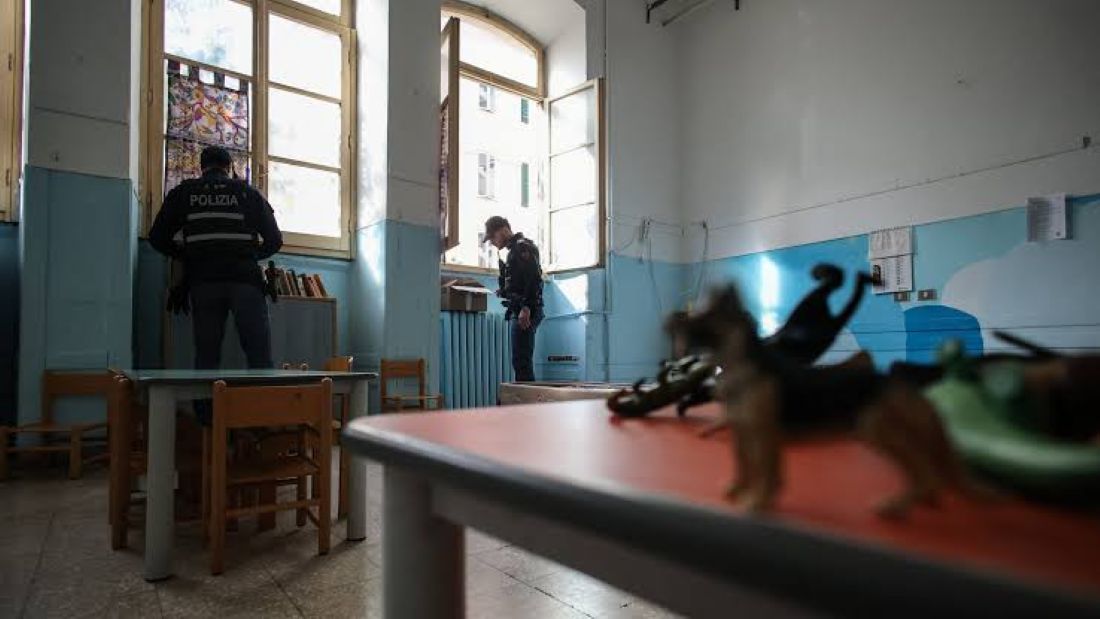
Thousands of schools across Italy were evacuated on Wednesday after receiving bomb threats, while similar warnings sent to educational institutions in Scotland, Northern Ireland and the Republic of Ireland were dismissed as hoaxes.
The incidents mark the latest in a series of threats and cyberattacks targeting public services and businesses across Europe, including supermarkets, blood banks, air traffic operations and media organizations.
In Italy, approximately 6,300 schools received the warnings, prompting authorities to move students to safe locations. The sudden evacuations also forced many parents to leave work and other activities to collect their children.
School authorities in Rome informed parents that pupils had been moved to secure areas and were being supervised by teachers while the situation was assessed.
Italian Prime Minister Giorgia Meloni was also reportedly named in a copy of the threatening email circulated to schools. She said the messages did not represent a genuine danger and confirmed that police and other relevant agencies were monitoring developments.
The email was reportedly signed by an individual identifying himself as Mikhail Andropov, leader of the so-called Vilayat of Misoginistan. The same purported sender had claimed responsibility for bomb threats emailed to newsrooms in Ireland and Bulgaria on Friday.
Despite the scale of the disruption, the warnings in Scotland, Northern Ireland and the Republic of Ireland were also classified as hoaxes. Authorities said they did not interrupt lessons.
Russia and Iran reject allegations
The latest incidents have heightened concerns about a wider campaign of disruption across Europe, particularly in countries supporting Ukraine following Russia’s invasion.
Some European officials suspect Moscow could be linked to attempts to undermine public confidence and disrupt ordinary life. Russia has rejected the allegations, describing them as part of a Western smear campaign.
Iran has also faced accusations of involvement in cyber incidents. France summoned the Iranian ambassador on Tuesday after accusing Tehran of an attack that reportedly disabled refrigerators in hundreds of supermarkets the previous week. Iran dismissed the allegations as baseless and hostile.
Italian Defence Minister Guido Crosetto said the school threats appeared designed to create fear and anxiety. However, he cautioned against assuming that every incident was organized by a foreign government or hostile state actor, noting that individuals seeking attention could also be responsible.
The head of the Italian School Principals Association, Antonello Giannelli, said the warnings had caused distress among pupils, parents and school employees.
He stressed that even threats later established to be false could have serious consequences for school communities, interrupting lessons and creating unnecessary alarm.
The latest episode adds to growing concerns among European governments over the vulnerability of public institutions and essential services to coordinated threats, cyberattacks and other forms of disruption.