













































































Iran-aligned Houthi forces have captured the Yemeni port city of Mocha and pushed towards strategically important islands in the Red Sea, according to Yemeni military sources, escalating concerns that the conflict could threaten Saudi Arabia’s oil exports and disrupt another major global shipping route.
The advance comes as fighting across the region intensifies and oil markets react to growing fears that the conflict could place both the Strait of Hormuz and the Bab el-Mandeb Strait under severe pressure.
Brent crude climbed as much as 4% on Thursday, reaching about $105 a barrel as traders assessed the risk of further disruption to oil supplies.
Houthis gain ground near key shipping route
Military sources aligned with Yemen’s internationally recognized government said Houthi fighters took control of Mocha before advancing along Yemen’s Red Sea coastline towards the Hanish islands.
The developments could strengthen the group’s position near the Bab el-Mandeb Strait, the narrow waterway linking the Red Sea to the Gulf of Aden and the Indian Ocean.
The Houthi-run humanitarian operations coordination centre said shipping in the Red Sea remained safe for most commercial vessels but warned Saudi-linked shipping against using the route.
Saudi Arabia has increasingly depended on Red Sea export routes as the conflict has severely disrupted shipping through the Strait of Hormuz, which previously carried around one-fifth of the world’s oil supplies.
A prolonged Houthi threat to the Bab el-Mandeb would therefore place pressure on a second major energy chokepoint.
The waterway is a critical route for crude oil, refined fuel and other commodities travelling between the Gulf, the Mediterranean and Asian markets through the Suez Canal and related infrastructure.
Second chokepoint raises pressure on oil markets
The Houthi advance has raised the prospect that Iran and its regional allies could exert influence over two of the world’s most strategically important maritime passages.
The Strait of Hormuz has already experienced a sharp reduction in traffic since renewed fighting intensified. Preliminary ship-tracking data showed that only seven vessels passed through the strait on Wednesday, roughly half the average recorded over the previous 10 days.
The Bab el-Mandeb, meanwhile, sits on the opposite side of the Arabian Peninsula and could become another major point of pressure on global energy supplies.
If Houthi forces are able to further disrupt shipping through the strait, Saudi Arabia could face additional difficulties moving oil exports through the Red Sea.
Government military sources said Yemeni forces and allied units were repositioning towards Dhubab, a strategically located coastal area overlooking the Bab el-Mandeb.
Control of Dhubab and nearby Perim Island is considered important for influence over maritime traffic passing through the narrow channel.
The Hanish islands are also strategically significant because of their location in the southern Red Sea.
Saudi forces face escalating attacks
The Houthis have intensified attacks against Saudi territory in recent months after entering the wider regional conflict in support of Iran.
The group initially became involved in the latest phase of the conflict with attacks against Israel before later announcing what it described as a naval blockade against Saudi Arabia.
Attacks against southern Saudi cities have increased in recent weeks.
Saudi civil defence authorities issued emergency alerts in Khamis Mushait, a city in the kingdom’s southwest, for the fourth time within 24 hours on Thursday as Houthi operations continued.
Houthi spokesperson Mohammed Abdulsalam said the group’s military activities were defensive, adding that operations would stop once attacks on Yemen ended.
Pakistan delivers warning to Tehran
Pakistan has reportedly acted as an intermediary in an effort to prevent the conflict from widening further.
Saudi, Pakistani and Iranian sources said Islamabad delivered a message from Saudi Arabia urging Tehran to restrain the Houthis and prevent additional attacks on the kingdom.
A senior Iranian official confirmed that the message had been conveyed to Tehran but said Iran’s response was that it did not control the Houthis.
The Houthis are part of the broader network of Iran-aligned armed groups often described as the “Axis of Resistance”.
The movement has also previously launched drones and missiles towards Israel and carried out attacks on commercial shipping in the Red Sea in connection with the war in Gaza.
Trump predicts conflict will end after US midterms
The worsening regional situation came as US President Donald Trump said he believed the conflict with Iran could end after the November midterm elections.
Trump said Tehran was attempting to influence the outcome of the election and suggested that Iran would be unable to sustain the conflict indefinitely.
He has previously set several timelines for an end to the war, which began after US and Israeli military operations against Iran earlier this year.
The conflict and the resulting increase in fuel prices have also added political pressure on the US administration.
Trump said this week that the United States could target Iran’s heavily fortified Pickaxe Mountain site, which contains deeply buried tunnel complexes near the Natanz nuclear facility.
Washington and Israel have cited concerns about Iran’s nuclear programme as a major reason for their military campaign, while Tehran maintains that its nuclear activities are intended for peaceful purposes.
Shipping conflict intensifies near Hormuz
The latest Houthi advance coincides with renewed attacks on shipping around the Strait of Hormuz.
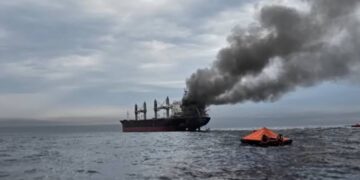
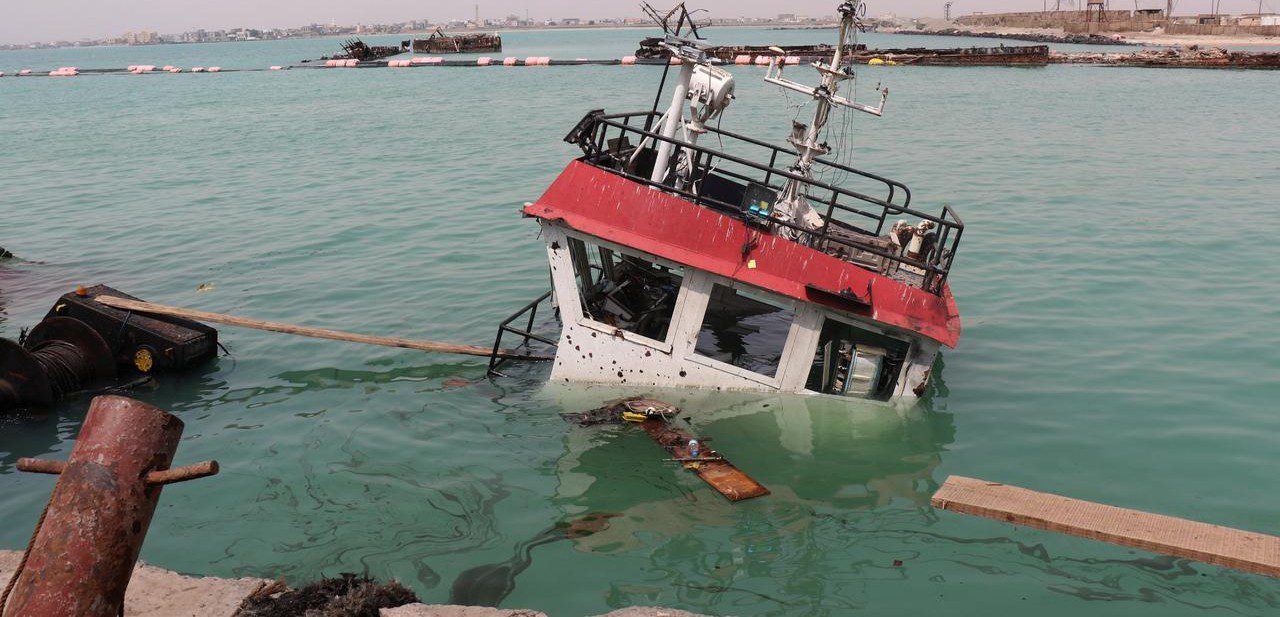
Iran said on Wednesday that it had attacked 10 vessels near the strategic waterway after the United States reportedly sank five Iranian oil tankers.
The renewed fighting has undermined efforts to gradually restore commercial traffic through Hormuz.
For energy markets, the danger is increasingly clear: disruption at either Hormuz or Bab el-Mandeb would place enormous strain on global oil flows. Significant pressure on both waterways at the same time could create an even more serious supply shock.
With the Houthis now advancing along Yemen’s Red Sea coast and Saudi forces reinforcing positions near the Bab el-Mandeb, the conflict appears to be opening another major front in a war that is already reshaping global energy and shipping routes.