










































































Natural systems increasingly destabilized by rising global temperatures could significantly intensify climate change by releasing additional methane and carbon dioxide, with a new study warning that these feedback effects may amplify global warming by as much as 30% before the end of the century.
The research found that warming driven primarily by the continued burning of coal, oil and gas is changing forests, wetlands, permafrost regions and freshwater ecosystems in ways that could turn them into increasingly important sources of greenhouse gas emissions.
As temperatures rise, frozen ground in high-latitude regions is thawing, drought is increasing wildfire risks, and warmer wetlands and lakes are releasing more methane and carbon dioxide. These emissions, in turn, contribute to further warming, creating a reinforcing cycle that scientists describe as a climate feedback loop.
Although such processes have long been recognized by climate scientists, the study said their potential contribution to future warming is not fully reflected in many climate projections used to guide government policy.
Researchers estimated that emissions from four major natural sources, permafrost, wetlands, freshwater systems and wildfires, could increase total global warming by between 20% and 30% by the end of the century.
That could add between 0.2C and 0.4C to projected global temperatures, depending largely on how quickly governments reduce emissions from fossil fuels.
Small temperature increases, major consequences
The additional warming may appear relatively modest, but scientists warn that even fractions of a degree can substantially increase the likelihood and intensity of dangerous climate events.
Higher temperatures can worsen heatwaves, droughts, flooding, wildfires and other extreme weather events, while also placing greater pressure on food systems, water supplies and coastal communities.
The warning comes as international efforts to limit global warming face increasing pressure. The United Nations recently acknowledged that the world is likely to exceed the 1.5C warming threshold in the coming years, raising concerns that climate impacts could become more severe and persistent.
The study’s lead author, Sam Abernethy of Spark Climate Solutions Research, said the additional emissions from natural systems could represent a major blind spot in climate planning.
He warned that climate models may be underestimating the amount of future warming and, consequently, overstating the volume of greenhouse gases humanity can continue to emit while remaining within global temperature targets.
The disruption of natural carbon systems is no longer a distant theoretical concern, according to Rob Jackson of Stanford University, a co-author of the research.
Scientists are increasingly observing changes to forests, frozen soils, wetlands and other ecosystems as warming accelerates.
The researchers said these developments should be incorporated more fully into future climate policies and projections, warning that ignoring the additional emissions could make global temperature targets increasingly difficult to achieve.
Natural systems could become an additional source of emissions
The study examined four areas where climate change could trigger further greenhouse gas releases.
Thawing permafrost can expose long-frozen organic material, allowing it to decompose and release methane and carbon dioxide into the atmosphere.
Warmer wetlands and freshwater systems can also produce higher levels of methane, a potent greenhouse gas.
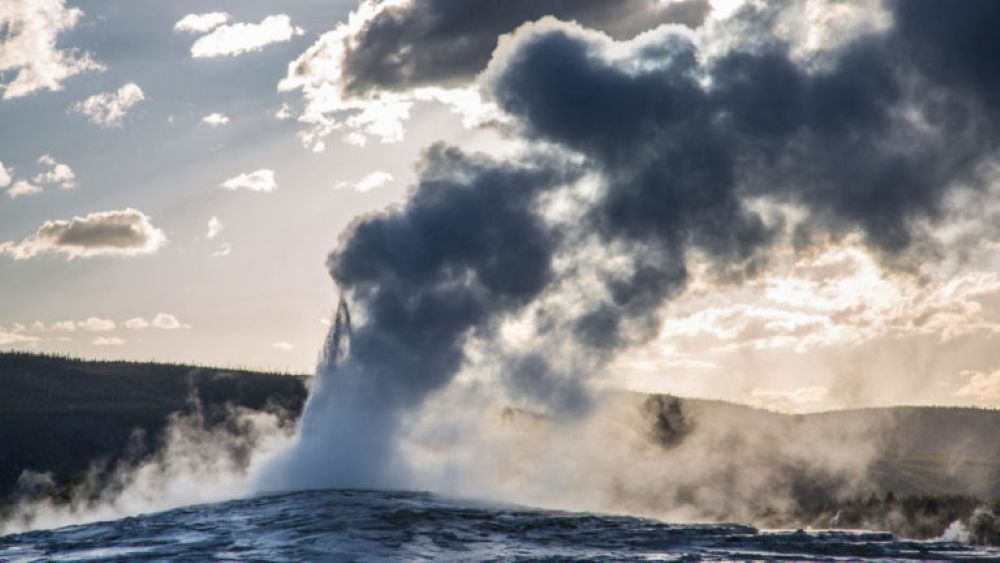
Meanwhile, hotter and drier conditions can increase the frequency and severity of wildfires, releasing carbon stored in forests and soils.
Together, these processes create a dangerous cycle: human activity warms the planet, warming destabilizes natural systems, and those systems then release additional greenhouse gases that drive temperatures even higher.
Scientists have long expressed concern that some of these feedback mechanisms could eventually contribute to more dramatic climate tipping points.
Such tipping points could include widespread thawing of permafrost, major changes to ice sheets, disruption of ocean circulation patterns or severe degradation of ecosystems such as the Amazon rainforest.
Cutting fossil fuel emissions can still limit the damage
Despite the warning, the researchers stressed that stronger action to reduce fossil fuel emissions can still significantly limit the scale of additional warming from natural feedbacks.
Under a scenario in which global emissions are reduced rapidly, the study estimated that natural climate feedbacks could add about 0.2C of additional warming.
Under a higher-emissions scenario, however, the extra warming could rise to about 0.4C.
Current government policies, according to Climate Action Tracker projections cited in the report, could put the world on course for around 2.6C of warming above pre-industrial levels.
Such a rise could bring increasingly severe consequences, including sea-level rise, reduced agricultural productivity, worsening heat extremes and greater risks for billions of people.
Bill Ripple, an ecologist at Oregon State University who was not involved in the study, said the findings highlighted one of the most troubling features of climate change: the possibility that warming itself can trigger natural processes that produce even more warming.
He said the findings did not mean that an uncontrollable “Hothouse Earth” scenario was inevitable, but they provided another warning about the risks posed by reinforcing climate feedbacks.
The central message of the research, scientists said, is that every additional increase in temperature matters.
The more the planet warms, the greater the risk that natural systems will begin releasing additional greenhouse gases, making future climate action more difficult and increasing the urgency of reducing fossil fuel emissions.